

 English
 China
China Thailand
 Malaysia
 Vietnam
 Laos
Laos Cambodia
 Pilipinas
 Indonesia
 Russian
 Portuguese
 Arabic
 Japanese
 Spanish
 Italian
 French
 German
News
- Home
- News
- Company News
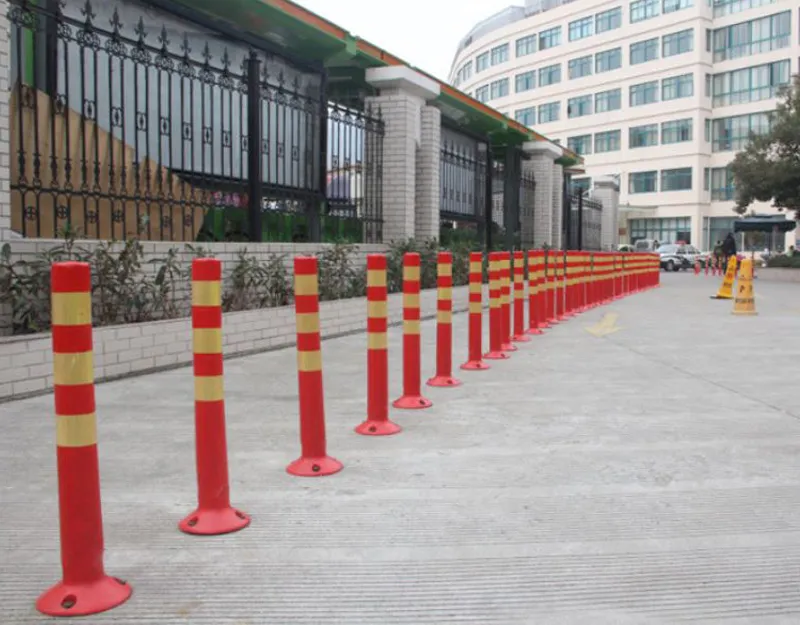
The use of Traffic Barrier Cones, also known as road delineator posts in some contexts, has become an indispensable part of modern road management. These simple yet effective tools play a crucial role in ensuring the safety and efficiency of our roads. This report delves into the multifaceted applications and benefits of traffic barrier cones, exploring their significance from various perspectives.
Traffic barrier cones are primarily designed to enhance road safety by providing clear visual guidance to drivers. In areas where roadworks or accidents have occurred, these cones help demarcate lanes, indicating safe paths for vehicles to follow. By clearly marking off restricted zones, they prevent unauthorized access, thereby reducing the risk of collisions and other incidents. The bright colors and reflective materials used in the construction of these cones ensure that they remain visible under all lighting conditions, including at night or during adverse weather. This visibility is critical for maintaining order and preventing confusion among motorists, which can lead to dangerous situations. Moreover, the portability of these devices allows them to be quickly deployed and repositioned as needed, making them an extremely versatile tool in dynamic traffic environments.
Beyond their role in enhancing safety, traffic barrier cones (or road delineator posts) significantly contribute to the efficient management of traffic flow. During peak hours or special events, these cones can be strategically placed to create temporary lanes, direct traffic around congested areas, or guide vehicles into designated parking spaces. This flexibility not only helps in alleviating traffic congestion but also ensures that emergency services can navigate through busy streets more easily. For instance, during large public gatherings or sporting events, the strategic placement of cones can facilitate the smooth movement of both pedestrians and vehicles, minimizing disruptions and improving overall accessibility. Additionally, in urban settings, where space is often limited, the use of such delineators can optimize the available road capacity, supporting the needs of diverse road users without compromising on safety.
Another significant advantage of using traffic barrier cones lies in their contribution to environmental sustainability and cost-effectiveness. Unlike permanent barriers, which may require substantial resources for installation and maintenance, traffic cones are reusable and easy to store. This reduces the need for frequent replacements and minimizes waste. Furthermore, the lightweight nature of these cones means that less energy is required for their production and transportation compared to heavier alternatives. From an economic standpoint, the affordability of traffic cones makes them a cost-effective solution for managing temporary traffic conditions. Local authorities and event organizers can deploy these cones without incurring high costs, allowing for more efficient allocation of budgetary resources towards other critical infrastructure projects. Additionally, the durability of modern traffic cones, which are often made from high-quality, weather-resistant materials, ensures that they can withstand harsh environmental conditions, further extending their lifespan and reducing long-term expenses.
In times of emergencies or natural disasters, the quick deployment of traffic barrier cones can be vital for managing the situation effectively. Whether it's setting up detours, cordoning off hazardous areas, or creating safe zones for rescue operations, these cones provide a rapid and reliable means of controlling the flow of people and vehicles. Their ease of use and portability mean that first responders can set up necessary barriers within minutes, facilitating faster response times and better coordination among different agencies. In disaster-prone regions, having a stockpile of traffic cones readily available can make a significant difference in the initial stages of an emergency, helping to prevent further chaos and ensuring that relief efforts can proceed smoothly. This aspect of their functionality underscores the importance of traffic cones not just as everyday traffic management tools, but as essential components of any comprehensive emergency preparedness plan.
In conclusion, traffic barrier cones, or road delineator posts, serve as a multifunctional tool in modern road management. They enhance road safety by providing clear visual guidance, manage traffic flow with flexibility and efficiency, promote environmental sustainability and cost-effectiveness, and support emergency response and disaster management. As our roads continue to evolve, the role of these simple yet effective devices will only grow in importance. By leveraging the full potential of traffic barrier cones, we can create safer, more efficient, and more sustainable road networks that benefit all road users.




Leave a Reply