

 English
 China
China Thailand
 Malaysia
 Vietnam
 Laos
Laos Cambodia
 Pilipinas
 Indonesia
 Russian
 Portuguese
 Arabic
 Japanese
 Spanish
 Italian
 French
 German
News
- Home
- News
- Company News
In the realm of urban development, the effective deployment of Construction Barriers is a critical aspect that significantly impacts the safety, efficiency, and overall success of projects. This technical report delves into the multifaceted role of construction barriers, focusing on their strategic placement, types, and the integration of road delineator posts to enhance visibility and safety. By examining these elements, we aim to provide a comprehensive guide for professionals in the field, ensuring that urban development projects are not only completed on time but also with minimal disruption and maximum safety.
The first step in utilizing construction barriers effectively is understanding where they should be placed. The strategic positioning of barriers is crucial for several reasons: it ensures the safety of both workers and the public, minimizes traffic disruptions, and helps maintain the flow of pedestrian movement. For instance, in high-traffic areas, barriers should be set up to clearly demarcate work zones from active lanes, thereby reducing the risk of accidents. Additionally, placing barriers at appropriate intervals can help in managing the speed of vehicles, making the area safer for everyone involved.
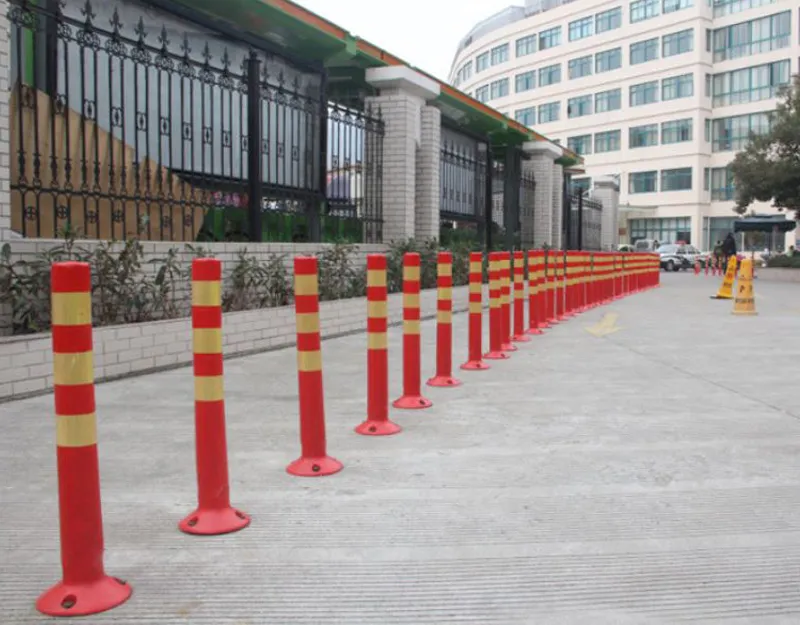
Moreover, the use of road delineator posts in conjunction with barriers can further enhance the visibility of the work zone. These posts, often equipped with reflective materials, serve as visual guides, helping drivers and pedestrians navigate around the construction site more safely. The combination of barriers and delineators creates a robust system that not only protects the work area but also ensures that the surrounding environment remains as safe and accessible as possible.
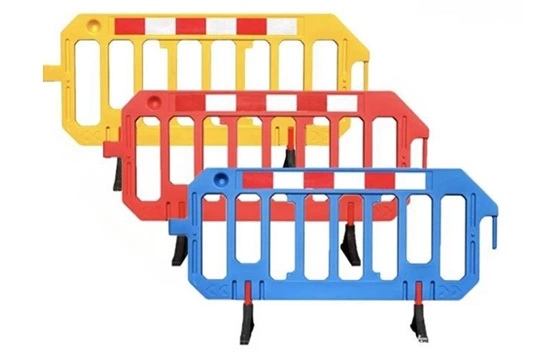
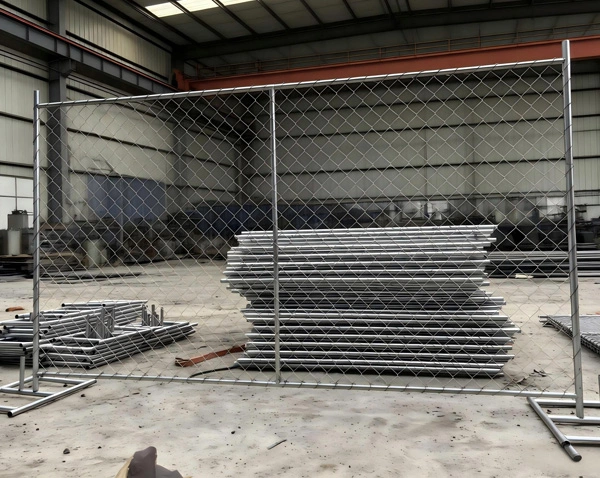
Construction barriers come in various forms, each designed to meet specific needs and conditions. Understanding the different types and their applications is essential for project managers and engineers to select the most suitable option for their projects. Some of the most common types include:
Each type of barrier has its own set of advantages and limitations, and the choice of which to use depends on the specific requirements of the project. For example, in a high-traffic urban area, water-filled barriers might be the best choice due to their ease of installation and repositioning. In contrast, Jersey barriers would be more suitable for a highway project where durability and impact resistance are paramount.
One of the key challenges in urban development projects is ensuring that the work zone is clearly visible to all users of the road, including drivers, cyclists, and pedestrians. This is where the integration of road delineator posts becomes crucial. These posts, often made of durable materials and equipped with reflective strips, serve as visual markers that guide traffic and pedestrians around the construction site.
When used in conjunction with construction barriers, road delineator posts create a comprehensive system that enhances the visibility and safety of the work zone. For example, in low-light conditions, the reflective properties of the delineators ensure that the boundaries of the work area are clearly marked, reducing the risk of accidents. Additionally, the posts can be strategically placed to direct traffic flow, helping to prevent congestion and ensuring that the project area remains accessible and safe.
Furthermore, the use of road delineator posts can also help in managing the transition between the work zone and the surrounding environment. By providing clear visual cues, these posts assist in guiding drivers and pedestrians through the construction area, minimizing confusion and potential hazards. This is particularly important in urban settings where the presence of multiple stakeholders and high levels of activity can create complex and dynamic situations.
The effective use of construction barriers and the integration of road delineator posts are essential components of successful urban development projects. By carefully considering the strategic placement of barriers, selecting the appropriate type based on project needs, and enhancing visibility through the use of delineators, project managers can ensure that their sites are safe, efficient, and well-managed. These practices not only protect the workers and the public but also contribute to the overall success and timely completion of the project. As urban development continues to evolve, the importance of these measures will only grow, making it imperative for professionals in the field to stay informed and adopt best practices.





Leave a Reply