

 English
 China
China Thailand
 Malaysia
 Vietnam
 Laos
Laos Cambodia
 Pilipinas
 Indonesia
 Russian
 Portuguese
 Arabic
 Japanese
 Spanish
 Italian
 French
 German
News
- Home
- News
- Company News
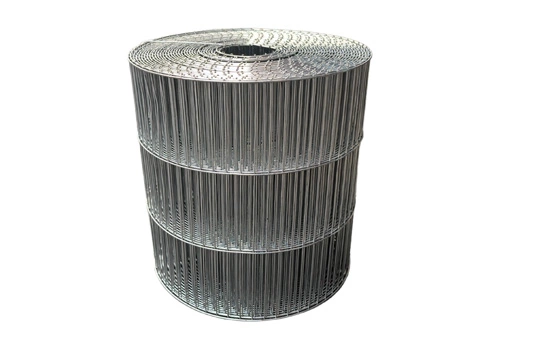
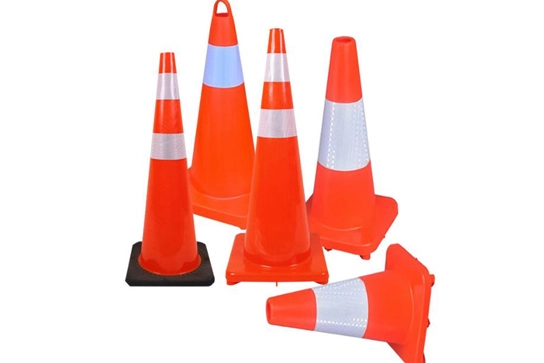
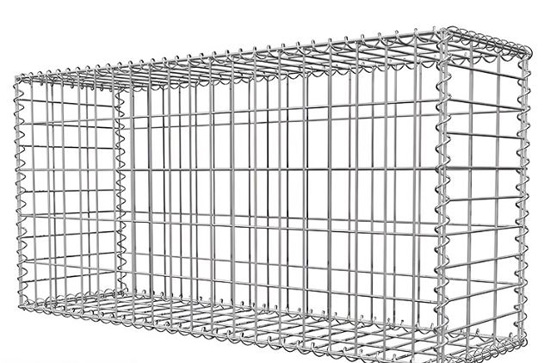
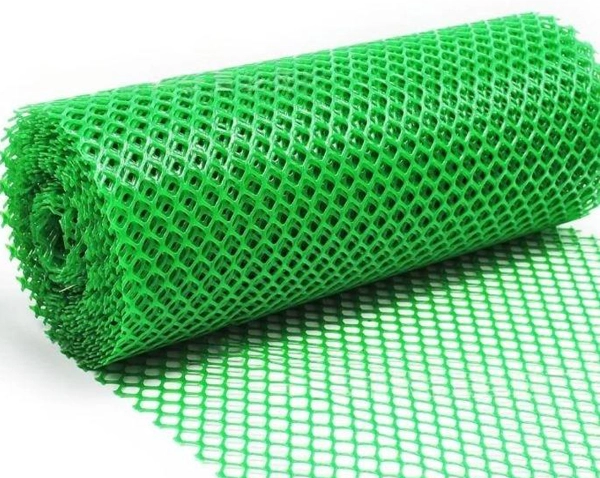
wire mesh has long been a versatile material, used in various applications ranging from construction to security. In recent years, there have been significant advancements in the design and functionality of wire mesh, particularly in enhancing security and visibility. This report explores the latest innovations in wire mesh, focusing on how these developments are transforming the way we use it in road delineator posts and other security-related applications.
The first major innovation in wire mesh for enhanced security and visibility lies in the material composition. Traditional wire mesh is typically made from steel or aluminum, but recent advancements have introduced new materials that offer superior strength, durability, and resistance to environmental factors. For example, some manufacturers are now using high-tensile stainless steel, which not only provides better structural integrity but also enhances the longevity of the mesh.
Additionally, composite materials such as fiberglass-reinforced polymers (FRP) are being integrated into wire mesh designs. These composites offer a lightweight yet robust alternative to traditional metals, making them ideal for applications where weight and corrosion resistance are critical. The use of FRP in road delineator posts has shown promising results, as it can withstand harsh weather conditions and heavy traffic without degrading over time.
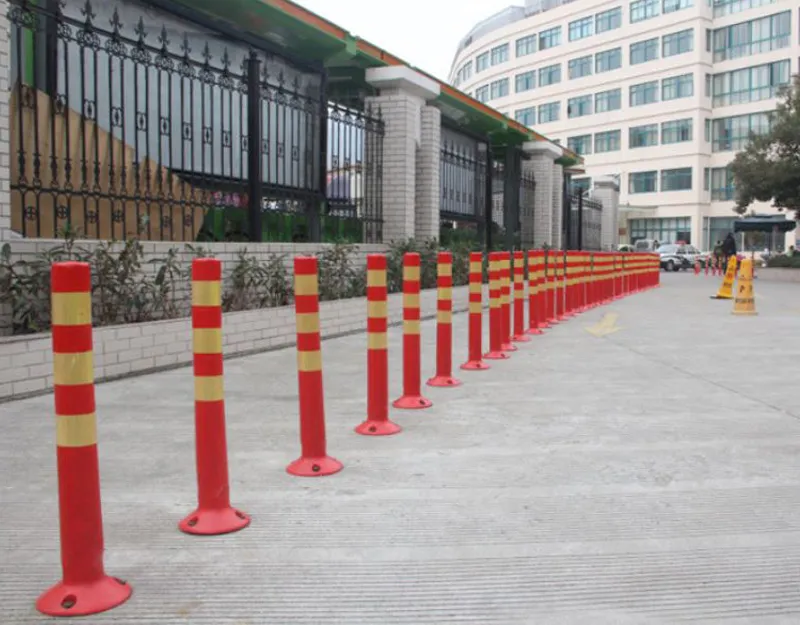
Visibility is a crucial factor in ensuring the safety of both pedestrians and motorists. To address this, manufacturers have developed reflective coatings that can be applied to wire mesh, significantly improving its visibility, especially in low-light conditions. These coatings contain microprismatic elements that reflect light back to the source, making the mesh highly visible to drivers and pedestrians alike.
One of the key benefits of these reflective coatings is their ability to maintain their effectiveness over extended periods. Unlike traditional paint, which can fade or peel over time, these coatings are designed to withstand UV radiation, moisture, and other environmental stressors. This ensures that the road delineator posts remain visible and effective, even in challenging conditions.
Moreover, the application of these coatings is relatively simple and can be done during the manufacturing process or as a retrofit solution. This flexibility makes it an attractive option for both new installations and existing infrastructure upgrades.
Another significant innovation in wire mesh is the integration of smart technologies. Modern wire mesh can now be equipped with sensors and communication devices, allowing it to serve as a data collection and transmission point. For example, in the context of road delineator posts, these smart meshes can be fitted with IoT (Internet of Things) sensors that monitor traffic flow, detect accidents, and even provide real-time weather updates.
The data collected by these sensors can be transmitted to a central control system, enabling traffic management authorities to make informed decisions. This can lead to more efficient traffic flow, reduced congestion, and improved overall road safety. Additionally, the integration of smart technologies allows for predictive maintenance, as the sensors can detect any structural issues or wear and tear, prompting timely repairs and reducing the risk of failures.
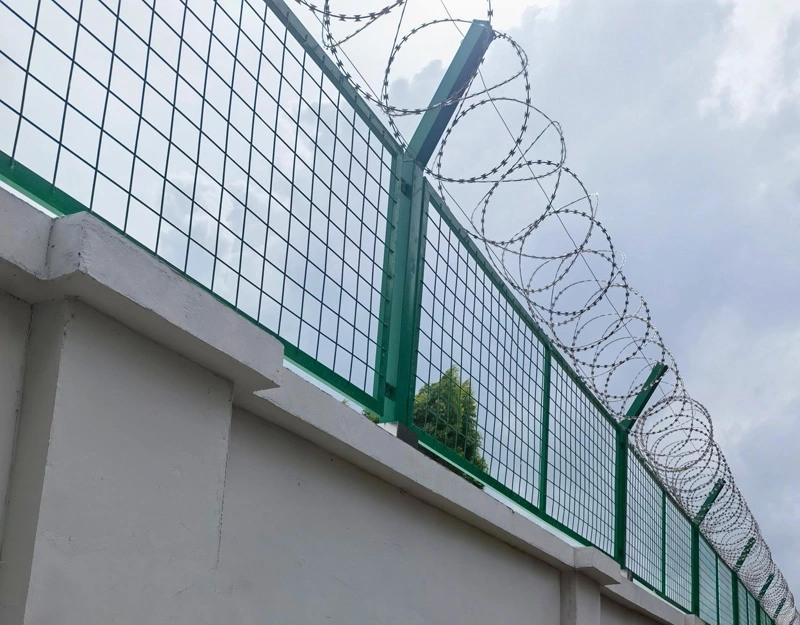
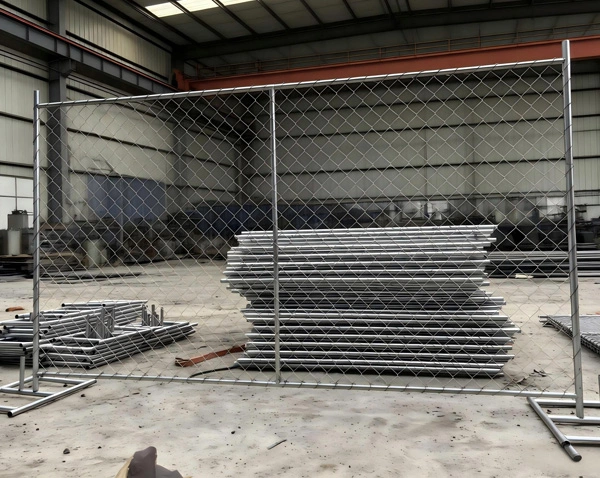
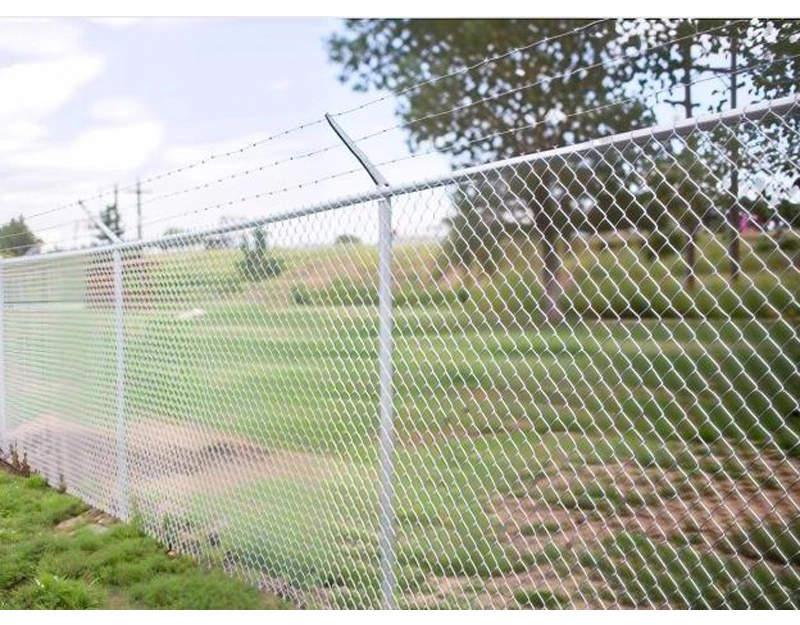
Furthermore, the use of smart wire mesh in security applications extends beyond road delineation. It can be employed in perimeter fencing, where it can detect intrusions and alert security personnel in real-time. This not only enhances the physical security of a site but also provides a layer of digital security, making it a comprehensive solution for modern security needs.
Sustainability is becoming an increasingly important consideration in the development of new materials and technologies. In response to this, manufacturers are exploring ways to make wire mesh more environmentally friendly. One approach is to use recycled materials in the production process. For instance, some companies are now producing wire mesh from recycled steel, which reduces the demand for virgin materials and minimizes waste.
Another aspect of sustainability is the energy efficiency of the manufacturing process. Advanced manufacturing techniques, such as 3D printing and automated assembly lines, are being adopted to reduce energy consumption and lower the carbon footprint of wire mesh production. These methods not only make the production process more sustainable but also allow for greater customization and precision in the final product.
Finally, the end-of-life disposal of wire mesh is also being addressed. Some manufacturers are designing wire mesh products that can be easily disassembled and recycled, ensuring that the materials can be reused in future applications. This circular economy approach not only benefits the environment but also provides economic advantages by reducing the need for new raw materials.
The innovations in wire mesh for enhanced security and visibility are transforming the way we use this versatile material. From advanced material compositions and reflective coatings to the integration of smart technologies and a focus on sustainability, these developments are driving the industry forward. As these innovations continue to evolve, we can expect to see even more applications and improvements in the future, making wire mesh an indispensable component in modern infrastructure and security solutions.

Leave a Reply