

 English
 China
China Thailand
 Malaysia
 Vietnam
 Laos
Laos Cambodia
 Pilipinas
 Indonesia
 Russian
 Portuguese
 Arabic
 Japanese
 Spanish
 Italian
 French
 German
News
- Home
- News
- Company News
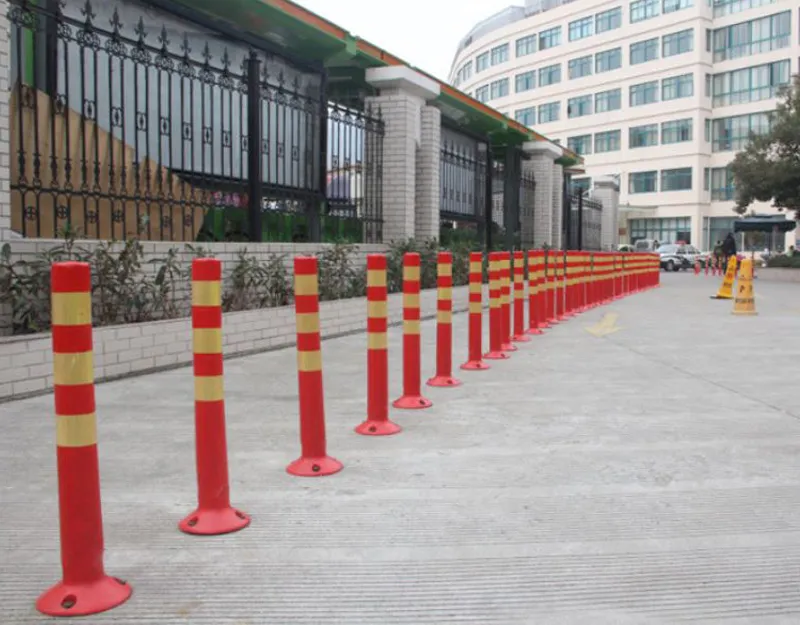
Reflective road posts, also known as road delineator post, play a crucial role in enhancing road safety by improving visibility and guiding drivers, especially under low light conditions. This comprehensive guide explores the significance of reflective road posts in modern traffic management, discussing their design, installation, maintenance, and benefits. We delve into how these posts contribute to safer driving experiences, reduce accidents, and support more efficient traffic flow. By understanding the technical aspects and practical applications of reflective road posts, stakeholders can make informed decisions about implementing and maintaining these essential safety features on roads.
The effectiveness of a reflective road post largely depends on the quality and type of reflective material used. Common materials include microprismatic sheeting, which offers superior reflectivity, and glass bead technology, which is cost-effective but less bright. Microprismatic sheets use tiny prisms to direct light back to its source, providing excellent visibility from a distance. Glass beads, on the other hand, scatter light in multiple directions, making them suitable for short-range visibility. Understanding the differences between these materials is essential for selecting the most appropriate option for specific road conditions.
Reflective road posts must withstand various environmental conditions, including extreme temperatures, UV radiation, and physical impacts. High-quality posts are typically made from durable materials such as high-density polyethylene (HDPE) or polycarbonate, which offer excellent resistance to weathering and wear. These materials ensure that the posts remain functional and visible over long periods, reducing the need for frequent replacements and maintenance. Additionally, some posts come with protective coatings to further enhance their durability and extend their lifespan.
The correct placement and spacing of reflective road posts are critical for maximizing their effectiveness. Posts should be installed at regular intervals along the centerline, edge lines, and curves of the road. The recommended spacing varies depending on the speed limit and road conditions, but generally, posts should be placed every 30 to 50 meters to provide continuous guidance. Proper spacing ensures that drivers can easily follow the road's alignment, even in low-visibility conditions, thereby reducing the risk of accidents and improving overall safety.
Installing reflective road posts requires careful planning and the use of appropriate tools and techniques. For flexible posts, a simple ground anchor or spike is often sufficient, while rigid posts may require concrete foundations or specialized mounting systems. It is important to ensure that the posts are securely anchored to prevent them from being dislodged by vehicles or adverse weather conditions. Additionally, using reflective road posts with built-in breakaway mechanisms can help minimize damage to vehicles and the posts themselves in case of impact, ensuring that they remain effective and safe.
To maintain the effectiveness of reflective road posts, regular cleaning and inspection are essential. Dust, dirt, and debris can accumulate on the reflective surfaces, reducing their visibility. Periodic cleaning with water and mild detergent can help restore the posts' reflective properties. Inspections should be conducted at least annually to check for any signs of damage, such as cracks, fading, or loose fittings. Prompt repairs or replacements can help ensure that the posts continue to function optimally and provide the necessary visibility for drivers.
Over time, reflective road posts may need to be replaced due to wear and tear or technological advancements. When replacing old posts, it is important to consider upgrading to newer, more advanced models that offer better reflectivity and durability. For example, switching from glass bead to microprismatic sheeting can significantly improve nighttime visibility. Additionally, incorporating smart technologies, such as solar-powered LED lights, can further enhance the posts' functionality and safety. Regularly reviewing and updating the road infrastructure can help keep it up-to-date and effective in promoting safer driving conditions.
One of the primary benefits of reflective road posts is their ability to improve visibility and provide clear guidance to drivers. In low-light conditions, such as at night or during foggy weather, these posts help drivers stay on the correct path and avoid hazards. The reflective materials used in the posts reflect light from vehicle headlights, creating a highly visible line that guides drivers. This enhanced visibility reduces the likelihood of lane departures and other accidents, making the roads safer for all users.
Studies have shown that the use of reflective road posts can significantly reduce the number of traffic accidents and injuries. By clearly marking the edges and centerlines of roads, these posts help prevent vehicles from veering off the road or colliding with oncoming traffic. This is particularly important in areas with sharp curves, steep embankments, or narrow lanes, where the risk of accidents is higher. The improved visibility and guidance provided by reflective road posts contribute to a safer driving environment, ultimately saving lives and reducing the economic burden of traffic accidents.





Leave a Reply