

 English
 China
China Thailand
 Malaysia
 Vietnam
 Laos
Laos Cambodia
 Pilipinas
 Indonesia
 Russian
 Portuguese
 Arabic
 Japanese
 Spanish
 Italian
 French
 German
News
- Home
- News
- Company News
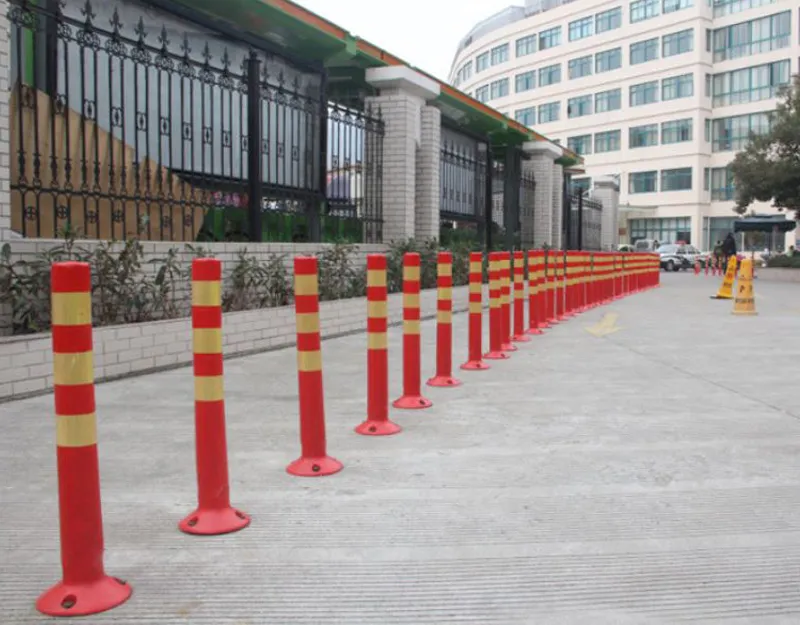
With the increasing emphasis on road safety and traffic management, modern road delineators have become an indispensable part of our infrastructure. These devices, which include road delineator posts, play a crucial role in guiding drivers and pedestrians, thereby reducing the risk of accidents. This report explores the durability and maintenance aspects of these essential traffic control elements, providing insights into their construction, performance, and long-term sustainability.
The longevity of any road infrastructure component, including road delineator posts, is heavily dependent on the materials used in its construction. Traditionally, metal has been a common choice due to its strength and resistance to physical impacts. However, metals are prone to corrosion, especially in environments with high humidity or exposure to salt, such as coastal areas. To address this, manufacturers have increasingly turned to alternative materials like fiberglass, plastic, and composite materials. Fiberglass, for instance, offers excellent resistance to weathering and chemicals, making it a durable option for harsh conditions. Composite materials, combining the benefits of multiple substances, provide a balance between strength, flexibility, and weight, enhancing both durability and ease of installation. The selection of appropriate materials not only ensures that the road delineator posts can withstand the rigors of daily use but also minimizes the need for frequent replacements, contributing to overall cost-effectiveness.
Modern road delineator posts are designed with innovative features that enhance their functionality and lifespan. One such feature is the use of reflective materials. Reflective surfaces, typically made from glass beads embedded in a polymer film, significantly improve visibility during nighttime and low-light conditions, thereby reducing the likelihood of accidents. Additionally, some designs incorporate solar-powered LED lights, which further increase visibility without the need for external power sources. Another design enhancement is the inclusion of flexible bases, allowing the posts to bend upon impact and then return to their original position. This feature not only reduces damage to vehicles but also extends the life of the delineator by minimizing the need for replacement after minor collisions. Moreover, modular designs enable easy replacement of damaged parts, rather than the entire unit, which is both economical and environmentally friendly. These advancements in design contribute to the overall durability and effectiveness of road delineator posts, ensuring they remain reliable and functional over extended periods.
Proper maintenance is key to extending the service life of road delineator posts. Regular inspections should be conducted to identify any signs of wear, damage, or malfunction. This includes checking for cracks, loose fittings, and the integrity of reflective surfaces. Timely repairs and replacements can prevent small issues from escalating into major problems. For example, replacing worn-out reflective strips can restore visibility, while tightening loose fittings can prevent the posts from becoming dislodged. Additionally, cleaning the posts regularly to remove dirt, grime, and debris is essential for maintaining their reflectivity and overall appearance. In regions with severe weather conditions, such as heavy snow or ice, additional measures may be necessary, such as applying anti-icing coatings or using de-icing agents to prevent the accumulation of ice, which can compromise the structural integrity of the posts. By implementing a comprehensive maintenance plan, the operational life of road delineator posts can be significantly extended, ensuring they continue to serve their critical function in traffic management and safety.
The environmental impact of road delineator posts is an important consideration in their design and maintenance. Sustainable practices, such as using recyclable materials and minimizing waste, are increasingly being adopted by manufacturers. For example, many modern road delineator posts are made from materials that can be recycled at the end of their useful life, reducing the amount of waste sent to landfills. Additionally, the use of non-toxic and biodegradable materials in the manufacturing process helps to minimize the ecological footprint. Furthermore, energy-efficient solutions, such as solar-powered lighting, reduce the reliance on non-renewable energy sources, contributing to a more sustainable infrastructure. By incorporating these environmentally conscious practices, the production and maintenance of road delineator posts can align with broader sustainability goals, ensuring that they not only enhance road safety but also support environmental stewardship.
The durability and maintenance of modern road delineator posts are critical factors in ensuring the safety and efficiency of our transportation systems. Through the use of advanced materials, innovative design features, and effective maintenance practices, these essential components can withstand the challenges of daily use and environmental conditions. Moreover, by prioritizing sustainability, the industry can contribute to a more eco-friendly and resilient infrastructure. As technology continues to evolve, it is likely that we will see even more improvements in the durability and functionality of road delineator posts, further enhancing their role in promoting safer and more efficient roads.

Leave a Reply