

 English
 China
China Thailand
 Malaysia
 Vietnam
 Laos
Laos Cambodia
 Pilipinas
 Indonesia
 Russian
 Portuguese
 Arabic
 Japanese
 Spanish
 Italian
 French
 German
News
- Home
- News
- Company News
When it comes to enhancing road safety, the selection of the right traffic control barrier is a critical decision. The effectiveness of these barriers can significantly reduce accidents and improve traffic flow, making their choice a matter of utmost importance. This report aims to guide stakeholders in identifying the most suitable traffic control barriers for their specific needs, focusing on key considerations such as functionality, durability, and cost-effectiveness.
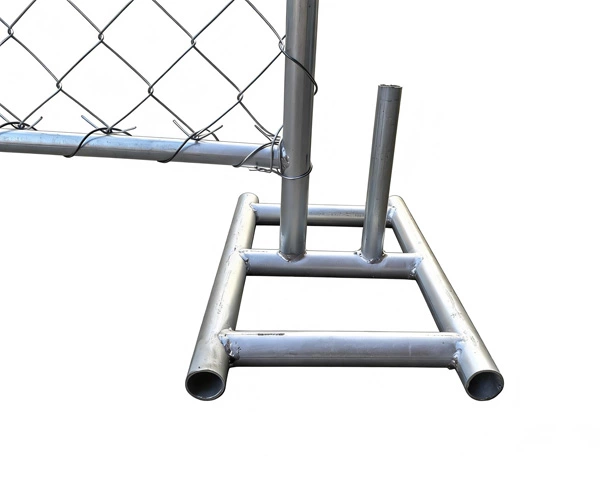
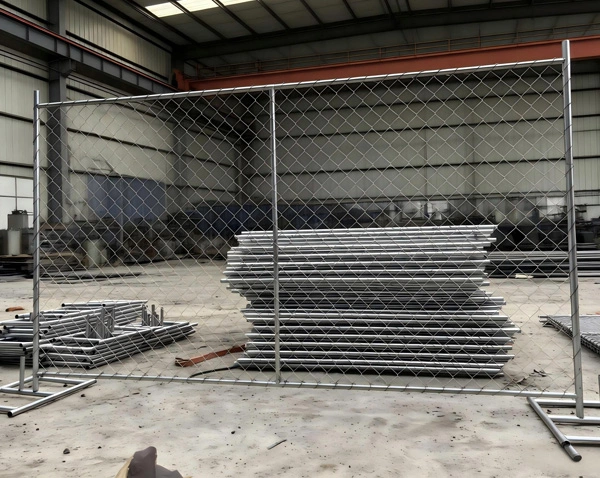
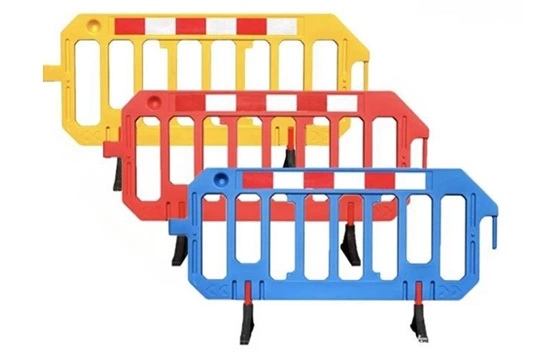
Traffic control barriers play a pivotal role in managing vehicular and pedestrian movements, ensuring that both are conducted safely and efficiently. These barriers are designed to prevent unauthorized access, direct traffic, and protect vulnerable areas from potential collisions. They come in various forms, including temporary barriers, permanent installations, and smart systems that can adapt to changing conditions. Understanding the primary functions of each type is essential before making a selection. For instance, temporary barriers are ideal for construction sites or events where traffic patterns need to be altered temporarily. Permanent barriers, on the other hand, are more suited for long-term solutions, such as protecting pedestrian walkways or creating dedicated lanes on highways. Smart barriers, which incorporate technology like sensors and cameras, offer real-time monitoring and adjustments, making them particularly useful in high-traffic urban environments.
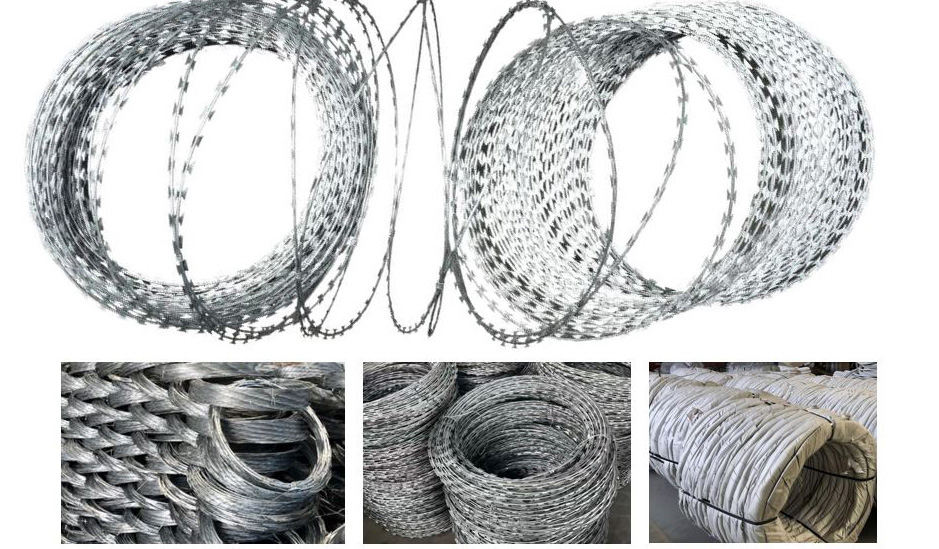
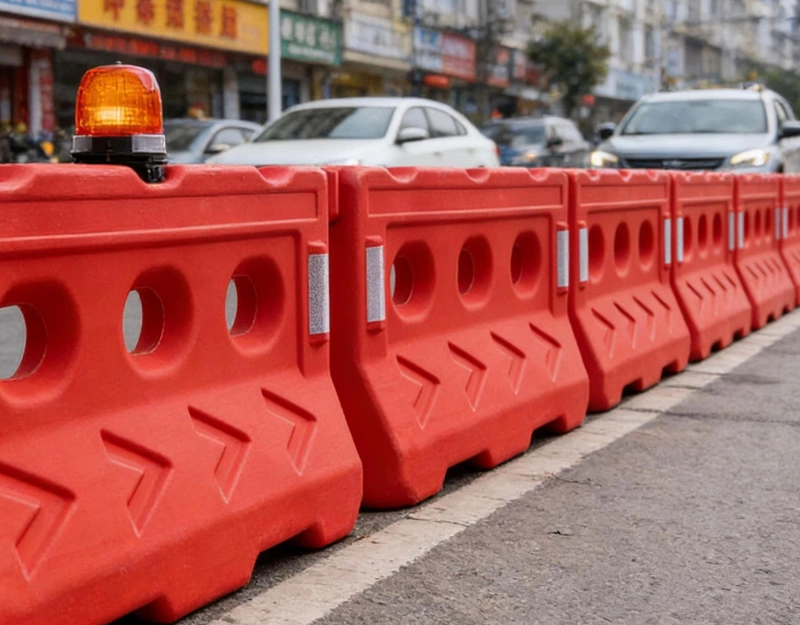
The material composition of a traffic control barrier directly impacts its durability and effectiveness. Common materials include steel, aluminum, plastic, and concrete. Steel and aluminum barriers are known for their strength and resistance to corrosion, making them suitable for harsh weather conditions and heavy use. Plastic barriers, while less durable, are lightweight and easy to deploy, making them a good option for temporary setups. Concrete barriers, often used in highway medians, provide the highest level of protection but are less flexible and more challenging to install and relocate. When selecting a material, it is crucial to consider the specific environmental and operational conditions the barrier will face. For example, in coastal areas with high salt content in the air, choosing a material that resists corrosion, such as galvanized steel, is advisable. Additionally, the expected lifespan of the barrier should align with the project's duration and budget constraints. A well-chosen material not only ensures the longevity of the barrier but also reduces maintenance costs and downtime.
While the initial cost of a traffic control barrier is a significant factor, it is equally important to consider the long-term expenses associated with maintenance, repair, and replacement. High-quality materials may have a higher upfront cost but can save money over time by requiring less frequent replacement and maintenance. For example, a steel barrier, although initially more expensive than a plastic one, may last several times longer, ultimately proving to be a more cost-effective solution. Additionally, the installation process and the need for specialized equipment or labor can impact the overall cost. Temporary barriers, which are easier to set up and take down, may be more cost-effective for short-term projects. However, for long-term installations, investing in a more robust and durable barrier can lead to greater savings. It is also beneficial to conduct a cost-benefit analysis, considering factors such as the barrier's ability to reduce accidents, enhance traffic flow, and meet regulatory requirements. By carefully evaluating these aspects, stakeholders can make an informed decision that balances both immediate and long-term financial considerations.
Compliance with local, national, and international safety standards is non-negotiable when selecting a traffic control barrier. These standards ensure that the barriers meet the necessary safety and performance criteria, providing a reliable and effective solution. In many regions, traffic control barriers must adhere to specific guidelines set by organizations such as the American Association of State Highway and Transportation Officials (AASHTO) in the United States or the European Committee for Standardization (CEN) in Europe. These standards cover aspects such as barrier height, visibility, impact resistance, and reflectivity. For example, AASHTO's Manual on Uniform Traffic Control Devices (MUTCD) provides detailed specifications for traffic control devices, including barriers, to ensure uniformity and consistency across different jurisdictions. Adhering to these standards not only ensures the safety of road users but also helps in avoiding legal liabilities and penalties. It is essential to consult with local authorities and industry experts to ensure that the chosen barrier meets all relevant regulations and standards. Regular inspections and maintenance, as per the manufacturer's recommendations, are also crucial to maintaining compliance and ensuring the barrier's continued effectiveness.
In the era of smart cities and advanced traffic management, the integration of traffic control barriers with intelligent transportation systems (ITS) is becoming increasingly important. Smart barriers can be equipped with sensors, cameras, and communication devices to monitor traffic flow, detect incidents, and automatically adjust to changing conditions. For example, some smart barriers can lower or raise based on real-time traffic data, optimizing traffic flow and reducing congestion. Integration with ITS can also enable remote monitoring and control, allowing operators to manage multiple barriers from a central location. This not only enhances efficiency but also improves response times in emergency situations. Furthermore, smart barriers can be part of a broader network of connected devices, contributing to a more comprehensive and coordinated approach to traffic management. By leveraging the power of data and connectivity, smart barriers can provide valuable insights into traffic patterns and help in making data-driven decisions to improve road safety and efficiency. As technology continues to evolve, the integration of smart features in traffic control barriers is likely to become a standard practice, offering numerous benefits for both urban and rural environments.
Selecting the right traffic control barrier is a multifaceted decision that requires careful consideration of various factors, including functionality, durability, cost-effectiveness, regulatory compliance, and integration with smart systems. By understanding the specific needs of the project and the environment, stakeholders can choose a barrier that not only meets the immediate requirements but also provides long-term benefits. The ultimate goal is to create a safer and more efficient road infrastructure, thereby enhancing the overall quality of life for all road users. With the right choice, traffic control barriers can play a vital role in achieving this objective, contributing to a future where roads are safer and more sustainable.



Leave a Reply