

 English
 China
China Thailand
 Malaysia
 Vietnam
 Laos
Laos Cambodia
 Pilipinas
 Indonesia
 Russian
 Portuguese
 Arabic
 Japanese
 Spanish
 Italian
 French
 German
News
- Home
- News
- Company News
Understanding the role and importance of traffic control barriers is crucial for ensuring safety and efficiency in various environments, from urban roads to industrial sites. This guide aims to provide a comprehensive overview of how to install and maintain these essential safety devices, covering key aspects such as planning, installation, and maintenance. By following the guidelines presented here, you can help ensure that your traffic control system operates effectively, reducing risks and enhancing the overall security of the area.
The first step in installing traffic control barriers is to conduct a thorough assessment of the specific needs of the location where they will be installed. Factors such as traffic volume, speed limits, and potential hazards must be considered. It's also important to identify the primary objectives of the barrier: whether it's to direct traffic, prevent unauthorized access, or protect pedestrians and property. Once these factors have been evaluated, a detailed plan can be developed, outlining the type, number, and placement of the barriers required. Engaging with local authorities or traffic management experts during this phase can provide valuable insights and ensure compliance with relevant regulations and standards.
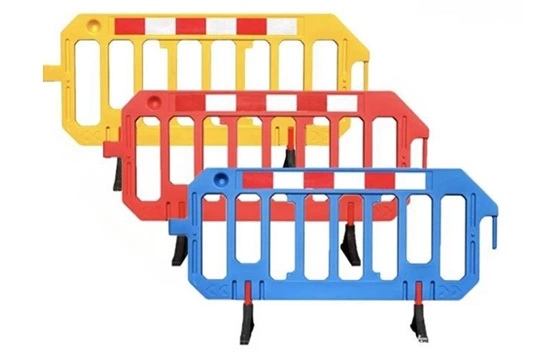
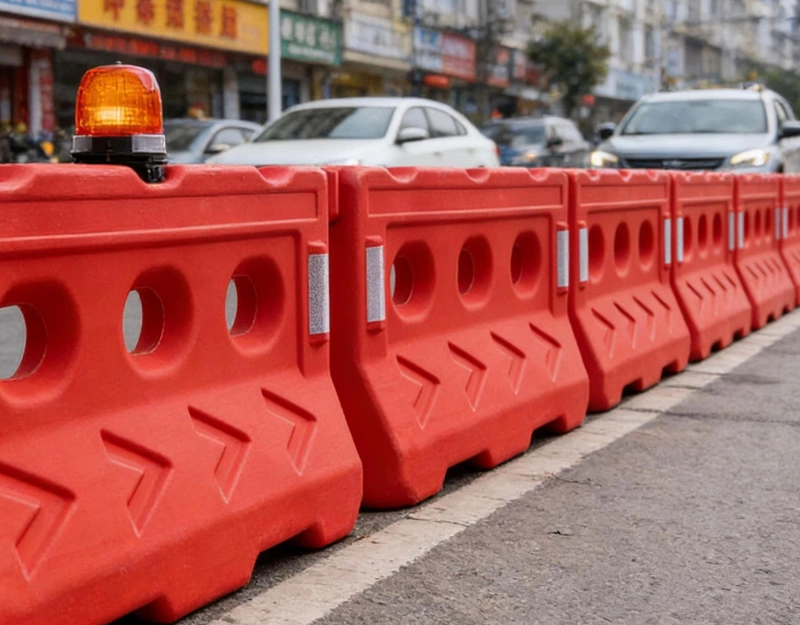
Choosing the appropriate type of traffic control barrier depends on the specific requirements identified during the planning stage. Common types include fixed, retractable, and portable barriers. Fixed barriers are ideal for permanent installations, offering long-term durability and reliability. Retractable barriers, on the other hand, offer flexibility, allowing for easy adjustment based on changing traffic conditions. Portable barriers are useful for temporary setups, such as construction zones or special events. Each type has its own advantages and limitations, so it's important to select the one that best meets the needs of the site. Additionally, considering the materials and design of the barrier is crucial, as they should be able to withstand the environmental conditions and the expected impact forces.
Proper installation is critical to the effectiveness and longevity of traffic control barriers. The process typically involves several steps, including site preparation, foundation work, and the actual installation of the barrier. Site preparation may involve clearing the area, marking the exact locations for the barriers, and ensuring the ground is level and stable. For fixed barriers, a solid foundation is essential, which may require concrete pouring or anchor bolting. Retractable and portable barriers often come with their own mounting systems, but it's still important to ensure they are securely fastened and aligned correctly. Following the manufacturer's instructions and using certified professionals for the installation can help avoid common pitfalls and ensure the barriers function as intended.
Regular maintenance and inspection are vital to keep traffic control barriers in optimal condition. A well-maintained barrier not only ensures continued safety but also extends its lifespan. Maintenance tasks may include cleaning, lubrication of moving parts, and checking for signs of wear or damage. Establishing a routine inspection schedule, typically every 3-6 months, helps identify issues early and allows for timely repairs. During inspections, pay attention to structural integrity, functionality, and any signs of corrosion or rust. Keeping detailed records of maintenance activities and inspections is also beneficial for tracking the history of the barrier and planning future maintenance needs.
Adhering to local and national safety standards is a non-negotiable aspect of installing and maintaining traffic control barriers. These standards often cover aspects such as barrier height, visibility, and impact resistance. Regularly reviewing and updating the barrier system to meet new or revised standards is essential. Additionally, training staff on the proper use and maintenance of the barriers is crucial. This includes understanding the operational procedures, emergency protocols, and the importance of regular maintenance. By ensuring compliance and providing adequate training, you can create a safer environment for all users and reduce the risk of accidents and liabilities.
In conclusion, the successful installation and maintenance of traffic control barriers require careful planning, selection of the right type of barrier, adherence to best practices during installation, and a commitment to regular maintenance and compliance with safety standards. By following the guidelines outlined in this guide, you can enhance the safety and efficiency of your traffic control system, ultimately contributing to a more secure and organized environment.




Leave a Reply