

 English
 China
China Thailand
 Malaysia
 Vietnam
 Laos
Laos Cambodia
 Pilipinas
 Indonesia
 Russian
 Portuguese
 Arabic
 Japanese
 Spanish
 Italian
 French
 German
News
- Home
- News
- Company News
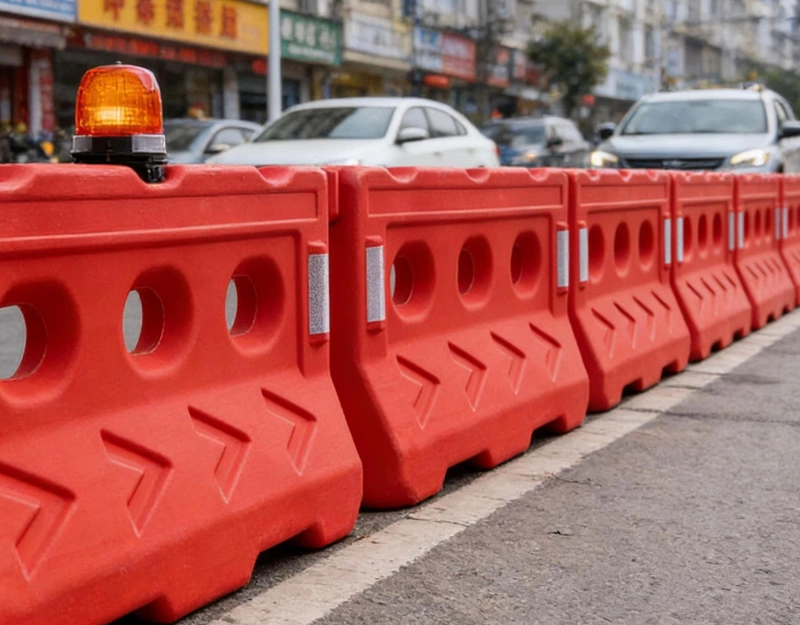
The rapid advancement in technology has led to innovative solutions for managing urban and rural traffic more efficiently. Among these, the concept of traffic control barrier systems stands out as a promising approach. This report explores how smart barriers are revolutionizing the future of traffic management, focusing on their integration with existing infrastructure, the benefits they offer, and the challenges that need to be addressed.
One of the key advantages of smart barriers is their ability to integrate seamlessly with the current transportation network. Unlike traditional barriers, which often require significant modifications to roadways or intersections, smart barriers can be installed with minimal disruption. They utilize advanced sensors and communication technologies to monitor and manage traffic flow dynamically. For instance, these barriers can automatically adjust based on real-time data, such as traffic volume, weather conditions, and emergency situations. This adaptability ensures that traffic management remains efficient and responsive, even in rapidly changing conditions.
Smart barriers not only improve the efficiency of traffic management but also significantly enhance safety. By providing real-time data and analytics, these systems can predict potential congestion points and proactively manage them. For example, if a particular intersection is likely to experience heavy traffic during rush hour, smart barriers can be programmed to divert some of the traffic to alternative routes, thereby reducing the risk of accidents and minimizing delays. Additionally, in case of emergencies, such as accidents or natural disasters, smart barriers can quickly close off affected areas, guiding vehicles to safer routes and facilitating quicker response times for emergency services.
The true power of smart barriers lies in their ability to collect and analyze vast amounts of data. This data can be used to make informed decisions about traffic management, urban planning, and even public policy. For example, by analyzing traffic patterns over time, city planners can identify areas where additional infrastructure, such as new roads or public transit options, may be needed. Furthermore, the data collected by smart barriers can help in the development of predictive models, enabling authorities to anticipate and mitigate potential issues before they arise. This proactive approach not only enhances the overall efficiency of the transportation system but also contributes to a more sustainable and livable urban environment.
While the benefits of smart barriers are clear, there are several challenges that need to be addressed for their widespread adoption. One of the primary concerns is the cost of implementation. The initial investment required for installing and maintaining these systems can be substantial, especially for smaller municipalities. However, it is important to consider the long-term benefits, such as reduced congestion, improved safety, and lower maintenance costs, which can offset the initial expenses. Another challenge is the need for robust cybersecurity measures. As smart barriers rely heavily on data and communication networks, they are vulnerable to cyber threats. Ensuring the security of these systems is crucial to prevent unauthorized access and potential disruptions. Finally, there is a need for standardization and interoperability. Different manufacturers and technologies must be able to work together seamlessly to ensure a cohesive and effective traffic management system.
The integration of traffic control barrier systems into our transportation networks represents a significant step forward in the evolution of traffic management. By enhancing safety, improving efficiency, and leveraging data-driven decision-making, smart barriers have the potential to transform the way we navigate our cities and highways. While challenges remain, the benefits of these systems are compelling, and with continued innovation and collaboration, the future of traffic management looks bright.






Leave a Reply