Effective Strategies for Crowd Control Fence Management
In the realm of event management and public safety, crowd control fence plays a crucial role in ensuring that gatherings, from small community events to large-scale concerts or sports matches, proceed smoothly and without incident. This document delves into effective strategies for managing crowd control fences, providing actionable insights aimed at enhancing the overall experience for attendees while maintaining high standards of security and order.
Understanding the Basics of Crowd Control Fence Systems
Before diving into specific management strategies, it is essential to understand what constitutes a robust crowd control fence system. These systems are designed not only to direct and manage the flow of people but also to act as a physical barrier against unauthorized access or potential threats. Key components include:
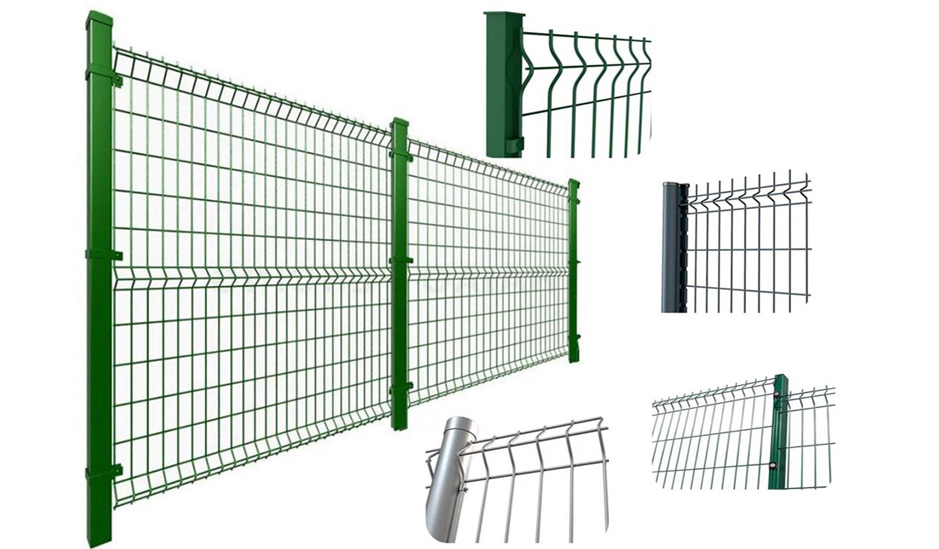
- Material Composition: Fences can be made from various materials such as steel, plastic, or aluminum, each offering different levels of durability and flexibility.
- Design and Structure: The design must consider factors like visibility, ease of setup, and the ability to withstand environmental conditions or crowd pressure.
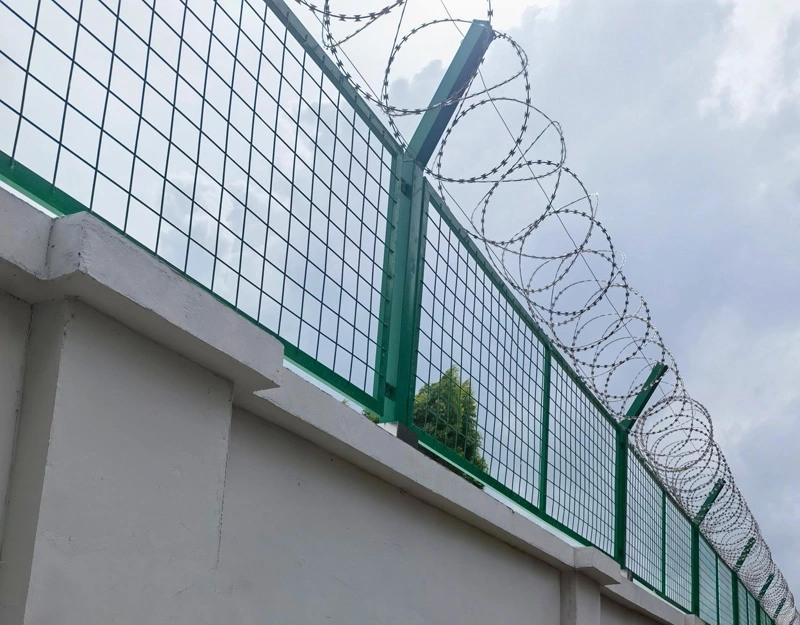
- Integration with Other Security Measures: Effective use of crowd control fences often involves their integration with other security elements, such as surveillance cameras, lighting, and personnel.
Understanding these basics allows for a more informed approach when implementing and managing crowd control solutions.
Planning and Preparation: Essential Steps Before Deployment
Proper planning and preparation are foundational to successfully utilizing crowd control fences. This phase should involve several key steps:
- Risk Assessment: Conduct a thorough risk assessment to identify potential threats and vulnerabilities. This includes evaluating the type of event, expected attendance, and any historical data on similar events.
- Site Survey: A detailed site survey helps in determining the layout and placement of fences. Considerations should include entry and exit points, emergency exits, and areas requiring higher security.
- Resource Allocation: Ensure that sufficient resources, including manpower and equipment, are available for setting up, monitoring, and adjusting the fence system as needed.
- Communication Plan: Develop a clear communication plan among all stakeholders involved in the event, including security personnel, organizers, and local authorities.
By meticulously planning and preparing, organizers can anticipate and mitigate issues before they arise, leading to a safer and more organized event environment.
Dynamic Management During Event Execution
Once the event is underway, the dynamic management of crowd control fences becomes critical. This involves ongoing adjustments and interventions based on real-time observations and feedback. Key aspects include:
- Real-Time Monitoring: Utilize technology, such as CCTV and drones, to continuously monitor the crowd and fence lines. This enables immediate response to any emerging issues.
- Adaptive Adjustments: Be prepared to make on-the-spot changes to the fence configuration if necessary. For example, widening or narrowing passageways depending on crowd density.
- Effective Communication: Maintain open lines of communication between security staff, event organizers, and attendees. Clear signage and announcements help guide the crowd and prevent confusion.
- Emergency Response Preparedness: Have a well-defined emergency response plan in place, with designated evacuation routes clearly marked and easily accessible through the crowd control fence setup.
Implementing these dynamic management practices ensures that the crowd control system remains effective throughout the duration of the event, adapting to changing circumstances as required.
Post-Event Evaluation and Continuous Improvement
After the event, conducting a thorough evaluation is crucial for identifying successes and areas for improvement. This process should include:
- Data Collection: Gather data on all aspects of the crowd control fence usage, including setup time, effectiveness during the event, and any incidents that occurred.
- Feedback Analysis: Collect feedback from security personnel, event organizers, and attendees. This can provide valuable insights into the effectiveness of the fence system and highlight any issues that need addressing.
- Review and Revise: Review the collected data and feedback to identify patterns and trends. Use this information to revise and improve future crowd control strategies.
- Training and Development: Invest in training and development programs for security and event staff. Regular training sessions can help maintain high standards and ensure that everyone is up-to-date with the latest best practices.
Continuous improvement through post-event evaluation and feedback analysis is key to refining and enhancing crowd control fence management over time.
In conclusion, effective management of crowd control fences requires a comprehensive approach that encompasses planning, execution, and continuous improvement. By understanding the fundamentals, thoroughly preparing, dynamically managing during the event, and learning from post-event evaluations, event organizers can create a secure and enjoyable environment for all participants. This not only enhances the overall experience but also contributes to the long-term success and sustainability of the event.


 English
 China
China Thailand
 Malaysia
 Vietnam
 Laos
Laos Cambodia
 Pilipinas
 Indonesia
 Russian
 Portuguese
 Arabic
 Japanese
 Spanish
 Italian
 French
 German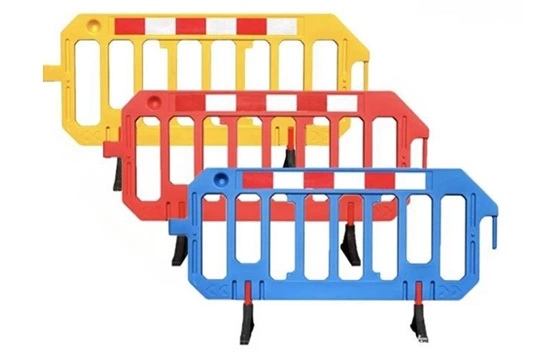

Leave a Reply