

 English
 China
China Thailand
 Malaysia
 Vietnam
 Laos
Laos Cambodia
 Pilipinas
 Indonesia
 Russian
 Portuguese
 Arabic
 Japanese
 Spanish
 Italian
 French
 German
News
- Home
- News
- Company News
The installation and maintenance of crowd control fences are critical for ensuring public safety and order, especially during large events or in high-traffic areas. Properly installed and maintained fences can prevent accidents, manage crowd flow, and provide a secure environment. This technical report will cover several key aspects of installing and maintaining crowd control fences to ensure their effectiveness and longevity.
Before the actual installation of a crowd control fence, it is essential to conduct a thorough site assessment. This step involves evaluating the area where the fence will be placed, considering factors such as the expected crowd size, the nature of the event, and the surrounding environment. Site assessment helps in determining the type of fence required, the length, and the layout that will best suit the specific needs of the event or location.
Planning should also include identifying potential entry and exit points, emergency evacuation routes, and any obstacles that may affect the placement of the fence. It is crucial to collaborate with local authorities and event organizers to ensure that all safety regulations and guidelines are met. Additionally, consider the aesthetic aspect of the fence, as it should blend well with the surroundings without compromising its functionality.
Choosing the right type of crowd control fence is vital for effective crowd management. There are various types of fences available, including temporary barriers, modular panels, and permanent installations. The selection should be based on the specific requirements of the event or location, such as the duration of use, the level of security needed, and the budget.
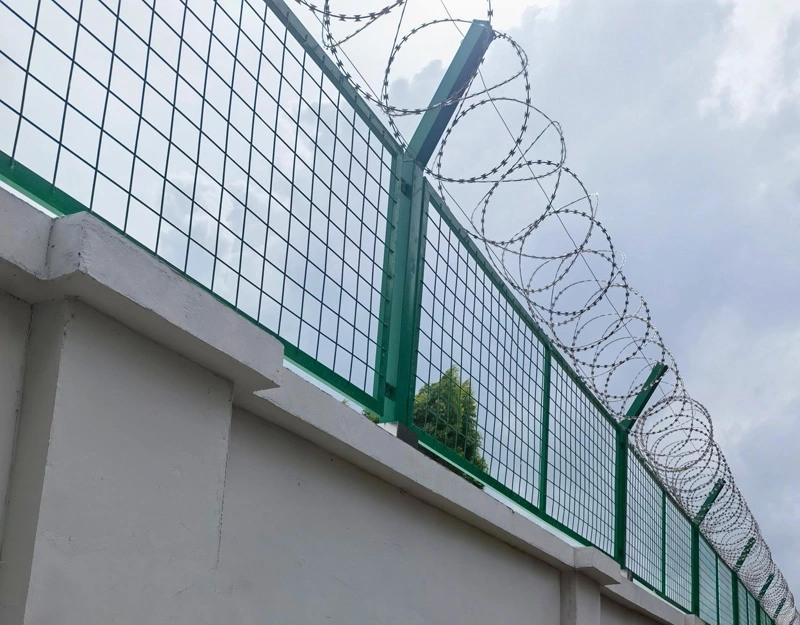
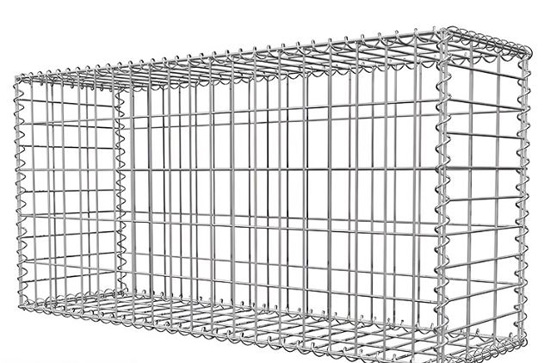
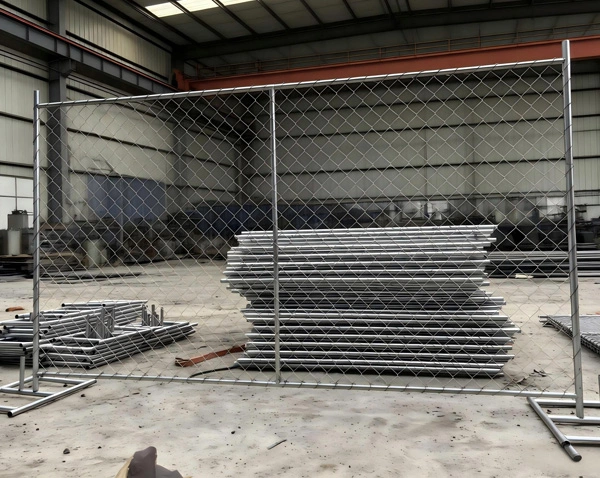
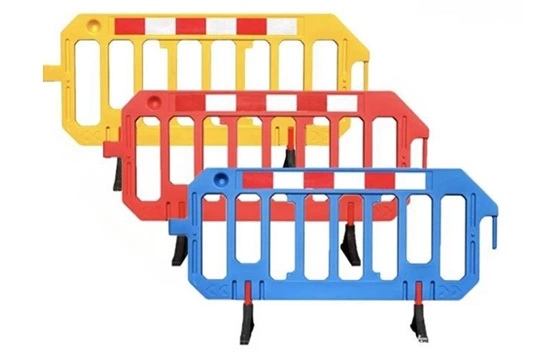
Temporary barriers, such as barricades and chain-link fences, are ideal for short-term events like concerts, festivals, and parades. These fences are easy to set up and dismantle, making them highly versatile. Modular panels, on the other hand, offer a more robust solution for longer-term use. They can be easily connected to form a continuous barrier and are often used in construction sites or large-scale events. Permanent installations, such as welded wire fences, are suitable for areas that require long-term crowd control, such as sports stadiums and public parks.
Consider the materials used in the fence as well. Durable materials like steel and aluminum are resistant to weather and wear, ensuring the fence remains stable and secure over time. Additionally, some fences come with additional features such as anti-climb designs, which enhance security and prevent unauthorized access.
Proper installation is crucial for the effectiveness and durability of a crowd control fence. The following best practices should be followed to ensure a successful installation:
It is also important to follow manufacturer guidelines and local building codes during the installation process. Regular inspections during and after the installation can help identify and address any issues early on, ensuring the fence is fully functional and safe.
Regular maintenance and inspection are essential to keep a crowd control fence in optimal condition. A well-maintained fence not only ensures safety but also extends its lifespan, reducing the need for frequent replacements. Here are some key maintenance practices:
Additionally, it is important to train staff and volunteers on the proper use and maintenance of the fence. This includes providing instructions on how to set up and dismantle the fence, as well as how to perform routine checks and basic repairs. Proper training ensures that everyone involved in the event is aware of their responsibilities and can contribute to the overall safety and security of the area.
Despite the best-laid plans, emergencies can still occur. It is essential to have a well-defined emergency response plan in place to handle unexpected situations. This plan should include procedures for evacuating the crowd, securing the area, and addressing any structural issues with the crowd control fence.
Key elements of an emergency preparedness plan include:
Regular drills and training sessions can help ensure that everyone is familiar with the emergency response plan and can act quickly and effectively in the event of an emergency. By being prepared, you can minimize the impact of unforeseen incidents and ensure the safety of the crowd.
In conclusion, the proper installation and maintenance of crowd control fences are crucial for ensuring public safety and order. By conducting a thorough site assessment, selecting the appropriate fence type, following best installation practices, and maintaining the fence regularly, you can create a secure and efficient crowd management system. Additionally, having a well-defined emergency response plan in place will help you handle unexpected situations and ensure the well-being of all attendees.

Leave a Reply