

 English
 China
China Thailand
 Malaysia
 Vietnam
 Laos
Laos Cambodia
 Pilipinas
 Indonesia
 Russian
 Portuguese
 Arabic
 Japanese
 Spanish
 Italian
 French
 German
News
- Home
- News
- Company News
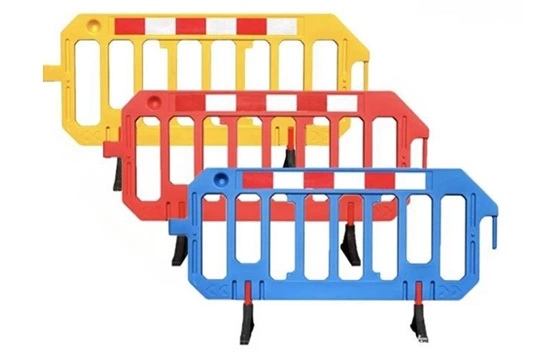
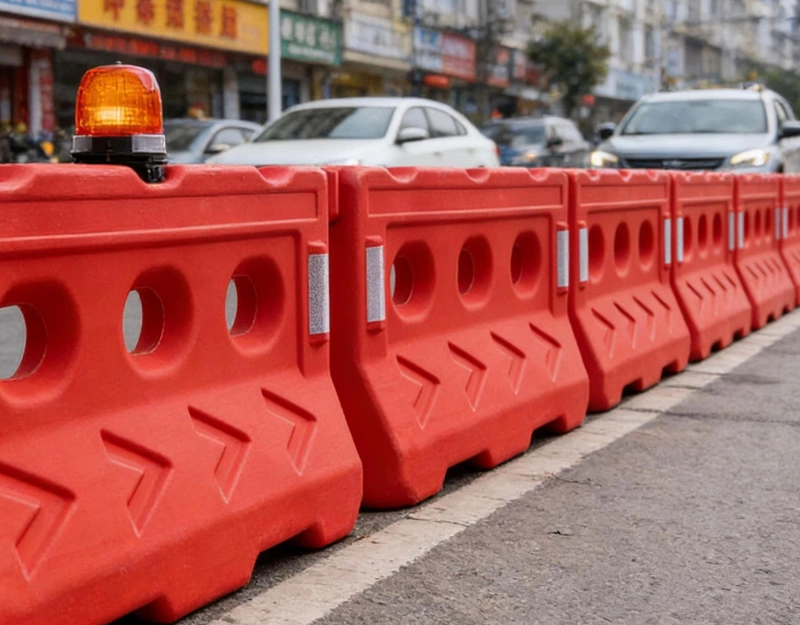
The rapid growth of urban areas has led to an increase in traffic congestion, which poses significant challenges for city planners and transportation authorities. This report explores effective strategies for managing urban traffic control, focusing on the role of traffic control barriers as a key component. The aim is to provide actionable insights into how these barriers can be utilized alongside other technologies and policies to improve traffic flow, reduce congestion, and enhance overall road safety.
One of the most promising approaches to enhancing the effectiveness of traffic control measures involves integrating smart technologies with traditional systems such as traffic control barriers. Advanced sensors, cameras, and data analytics platforms can work in tandem with physical barriers to dynamically adjust traffic flows based on real-time conditions. For instance, intelligent traffic lights that communicate with vehicle-mounted devices or mobile apps can optimize signal timing, while adaptive barriers could open or close lanes according to current traffic volumes, thereby reducing bottlenecks and improving travel times.
Data analytics plays a crucial role in modern traffic management. By collecting and analyzing vast amounts of data from various sources including GPS, CCTV, and social media, cities can gain valuable insights into traffic patterns, peak hours, and common congestion points. These analyses enable more informed decision-making regarding the placement and operation of traffic control barriers. For example, historical data might show that certain intersections experience unusually high traffic during specific times; thus, deploying additional barriers or adjusting their configurations during those periods could alleviate congestion. Furthermore, predictive modeling techniques can forecast future traffic trends, allowing for proactive adjustments to traffic control strategies before issues arise.
Effective urban traffic control requires collaboration between multiple stakeholders, including government agencies, private companies, and community organizations. Public-private partnerships (PPPs) are particularly beneficial in this context because they allow for shared resources, expertise, and financial burdens. In terms of implementing advanced traffic control barrier systems, PPPs can facilitate the deployment of cutting-edge technologies by leveraging the innovative capabilities of private sector partners. Additionally, involving local communities in planning processes ensures that solutions are tailored to meet the unique needs and preferences of residents, leading to higher acceptance rates and more sustainable outcomes.
Beyond just addressing immediate concerns like congestion and safety, it's essential for urban traffic control strategies to also consider environmental impacts. Air pollution, noise, and greenhouse gas emissions are all significant issues associated with heavy vehicular traffic. Implementing green infrastructure, such as planting trees along roadsides or installing noise barriers, can help mitigate some of these negative effects. Moreover, promoting alternative modes of transportation, like cycling and public transit, through supportive policies and infrastructure improvements reduces reliance on personal vehicles, thereby decreasing overall traffic levels and associated environmental harm. Traffic control barriers, when used strategically, can support these efforts by creating dedicated lanes for bicycles or buses, ensuring smoother operations and encouraging greater use of eco-friendly transport options.
In conclusion, effectively managing urban traffic control is a multifaceted challenge that demands innovative solutions and collaborative efforts. By integrating smart technologies with traditional tools like traffic control barriers, leveraging data analytics, fostering public-private partnerships, and prioritizing environmental sustainability, cities can significantly improve their transportation networks. These strategies not only address current issues but also lay the groundwork for building resilient, efficient, and environmentally friendly urban environments capable of supporting continued growth and development.





Leave a Reply