

 English
 China
China Thailand
 Malaysia
 Vietnam
 Laos
Laos Cambodia
 Pilipinas
 Indonesia
 Russian
 Portuguese
 Arabic
 Japanese
 Spanish
 Italian
 French
 German
News
- Home
- News
- Company News
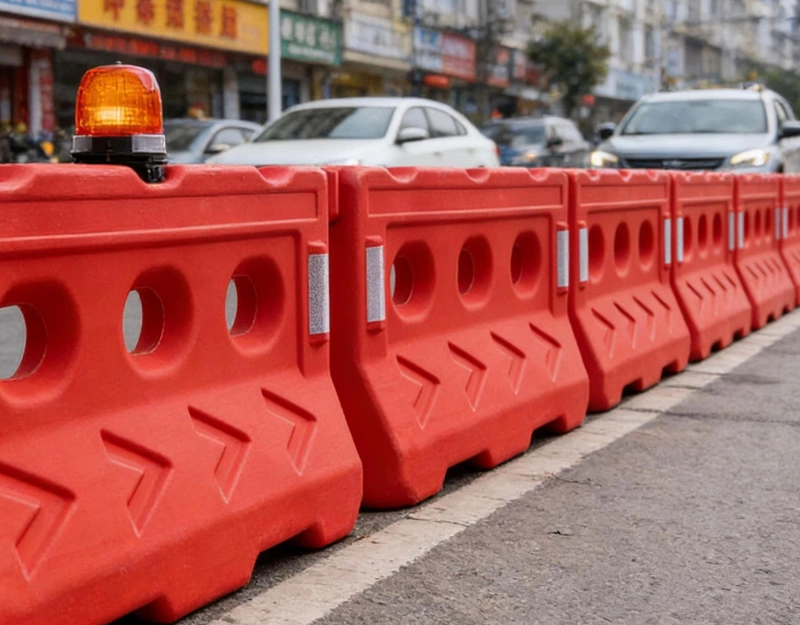
In recent years, the development and implementation of advanced traffic control systems have gained significant attention due to their potential in improving urban mobility and reducing environmental impacts. These systems, which include a variety of technologies such as smart signals, adaptive traffic management, and traffic control barrier innovations, aim to optimize traffic flow, reduce congestion, and ultimately contribute to a more sustainable transportation ecosystem. This report explores how these advancements can lead to substantial environmental benefits.
One of the most direct ways that advanced traffic control systems positively impact the environment is by minimizing vehicle emissions. When traffic flows smoothly without unnecessary stops and starts, vehicles consume less fuel and emit fewer pollutants. Smart traffic lights, for instance, adjust their timing based on real-time traffic conditions, ensuring that cars do not idle unnecessarily at red lights. Moreover, with the integration of predictive analytics, these systems can anticipate traffic patterns and preemptively adjust signal timings to keep traffic moving efficiently. The reduction in idling time and smoother driving conditions significantly cut down on carbon dioxide (CO2) and other harmful emissions, contributing to better air quality and a lower carbon footprint for urban areas.
Beyond just managing traffic flow, advanced traffic control systems also play a crucial role in enhancing the overall energy efficiency of transportation networks. By optimizing routes and reducing congestion, these systems decrease the total distance traveled by vehicles, thereby saving energy. For example, dynamic routing applications can suggest the least congested paths to drivers, leading to shorter travel times and reduced fuel consumption. Additionally, the use of traffic control barrier technologies, such as automated toll booths and electronic gates, minimizes the need for physical infrastructure, further streamlining the movement of vehicles through critical points like bridges and tunnels. This not only saves construction materials but also reduces the operational energy required for traditional manual controls, thus making the entire transportation system more environmentally friendly.
Another significant benefit of advanced traffic control systems lies in their ability to promote the use of more sustainable transport modes. By providing dedicated lanes and priority signaling for public transit, bicycles, and electric vehicles, these systems encourage commuters to choose greener options over private car usage. Dedicated bus lanes, for instance, ensure that buses run on schedule, making them a reliable alternative to personal vehicles. Similarly, bike-friendly infrastructure, including well-marked cycling paths and secure parking facilities, supported by intelligent traffic management, makes cycling a safer and more appealing choice. As more people opt for these eco-friendly modes of transportation, there is a corresponding decrease in the number of fossil fuel-powered vehicles on the road, leading to a reduction in both air and noise pollution, as well as an overall improvement in the quality of life for city residents.
The transition towards integrating renewable energy sources into traffic control systems represents another promising area for achieving environmental sustainability. Solar-powered traffic lights and signage, for example, reduce reliance on grid electricity, which is often generated from non-renewable sources. Furthermore, the deployment of wind turbines and solar panels within transportation infrastructures can help power various components of the traffic control system, such as sensors, communication devices, and even traffic control barrier mechanisms. This shift towards renewable energy not only decreases the carbon footprint of the transportation sector but also promotes energy independence and resilience against fluctuations in conventional energy prices.
Advanced traffic control systems offer a multifaceted approach to addressing the environmental challenges posed by modern urban transportation. Through efficient flow management, enhanced energy efficiency, promotion of sustainable transport modes, and integration with renewable energy sources, these systems contribute significantly to reducing greenhouse gas emissions, conserving natural resources, and improving the overall quality of urban environments. As cities continue to grow and face increasing pressure on their transportation infrastructures, investing in and expanding the capabilities of advanced traffic control systems will be essential for achieving long-term sustainability goals.








Leave a Reply