

 English
 China
China Thailand
 Malaysia
 Vietnam
 Laos
Laos Cambodia
 Pilipinas
 Indonesia
 Russian
 Portuguese
 Arabic
 Japanese
 Spanish
 Italian
 French
 German
News
- Home
- News
- Company News
When it comes to enhancing the security of your home, choosing the right fencing materials for security is a critical decision. The effectiveness and cost-efficiency of these materials can significantly impact both the safety and the overall value of your property. This report aims to guide homeowners through the process of selecting cost-effective fencing materials that provide robust protection without breaking the bank.
The first step in selecting the appropriate fencing materials for security is to conduct a thorough assessment of your property’s specific needs. Consider factors such as the size of the area to be fenced, the level of visibility required, and any local regulations or homeowner association (HOA) rules. For instance, if you live in an urban area with high foot traffic, you may need a fence that provides both privacy and a strong deterrent against intruders. Conversely, a rural setting might require a more visible barrier to deter trespassers from entering large open spaces.
Additionally, consider the potential threats to your property. Are you concerned about burglaries, stray animals, or simply maintaining a boundary? Understanding these requirements will help you narrow down the options and focus on the most suitable materials.
Once you have a clear understanding of your security needs, the next step is to evaluate the various fencing materials available, considering their costs and benefits. Common choices include wood, chain link, vinyl, and aluminum. Each material has its own set of advantages and disadvantages, which must be weighed against your budget and security requirements.
Wood Fencing: Wood is a traditional and aesthetically pleasing option, offering natural beauty and versatility. It can be customized to fit any style and is relatively inexpensive compared to other materials. However, wood requires regular maintenance, including painting or staining, to prevent rot and insect damage. Additionally, while it provides good privacy, it may not be as effective as other materials in deterring intruders due to its vulnerability to being cut or climbed.
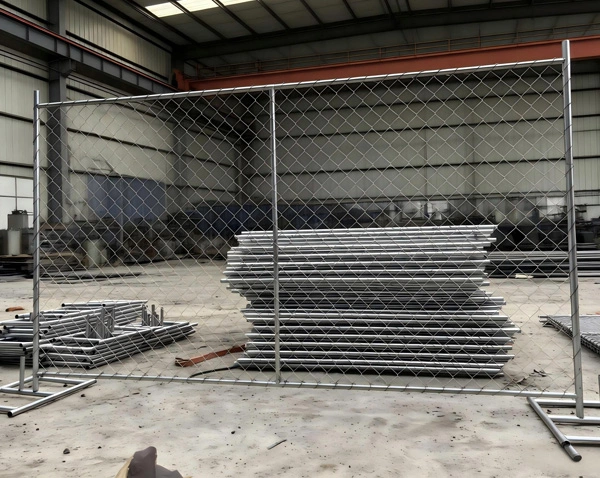
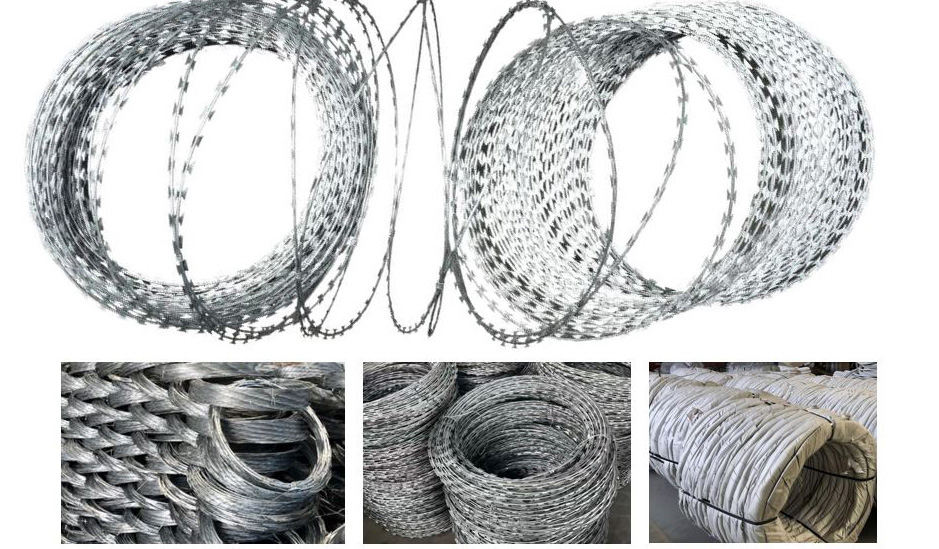
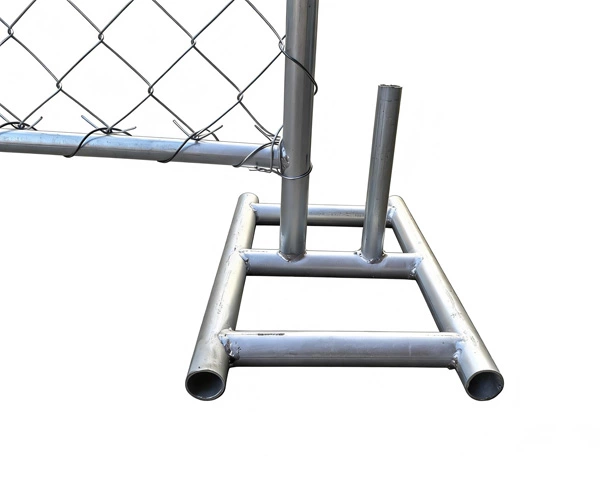
chain link fencing: Chain link is a popular choice for its affordability and durability. It is highly resistant to weather and requires minimal maintenance. However, it offers little privacy and can be easily scaled by determined intruders. To enhance security, you can add barbed wire or privacy slats, but this will increase the overall cost.
Vinyl Fencing: Vinyl is a low-maintenance and durable option that can mimic the look of wood without the upkeep. It is resistant to moisture, rot, and insects, making it a long-lasting choice. While it is more expensive upfront than wood or chain link, the reduced maintenance costs over time can make it a cost-effective solution. Vinyl also provides good privacy, but it may not be as strong as metal fences in terms of physical security.
Aluminum Fencing: Aluminum is lightweight, durable, and requires minimal maintenance. It is corrosion-resistant and can withstand harsh weather conditions. Aluminum fences are typically more expensive than wood or chain link, but they offer a good balance between security and aesthetics. They are particularly effective in areas where visibility is important, as they can be designed with ornamental features that do not compromise security.
While the initial cost of the fencing materials is a significant factor, it is equally important to consider the installation and ongoing maintenance costs. Some materials, like wood, may be cheaper to purchase but require more frequent repairs and treatments, which can add up over time. On the other hand, materials like vinyl and aluminum may have higher upfront costs but lower maintenance requirements, making them more cost-effective in the long run.
Professional installation can also vary in cost depending on the complexity of the project and the type of material. For example, installing a chain link fence is generally less labor-intensive and therefore less expensive than installing a custom-built wooden fence. However, professional installation ensures that the fence is properly set up and adheres to local building codes, which can save you from costly fines or repairs in the future.
Regular maintenance is crucial for extending the lifespan of your fence and ensuring it continues to provide adequate security. Simple tasks like cleaning, tightening loose fittings, and addressing minor damages promptly can prevent more significant issues from developing. Creating a maintenance schedule and budgeting for these activities can help you manage the total cost of ownership more effectively.
Beyond the basic selection of fencing materials, there are several additional features that can enhance the security of your property. These include:
By incorporating these additional security features, you can create a comprehensive and multi-layered defense system that maximizes the effectiveness of your fencing materials.
Selecting the right fencing materials for security involves a careful consideration of your property’s specific needs, the costs and benefits of different materials, and the importance of proper installation and maintenance. By evaluating these factors and potentially adding additional security features, you can create a cost-effective and robust security solution that enhances the safety and value of your home.
Remember, the goal is to find a balance between cost, security, and aesthetic appeal. With the right approach, you can achieve a secure and attractive fence that meets your needs and fits within your budget.


Leave a Reply