

 English
 China
China Thailand
 Malaysia
 Vietnam
 Laos
Laos Cambodia
 Pilipinas
 Indonesia
 Russian
 Portuguese
 Arabic
 Japanese
 Spanish
 Italian
 French
 German
News
- Home
- News
- Company News
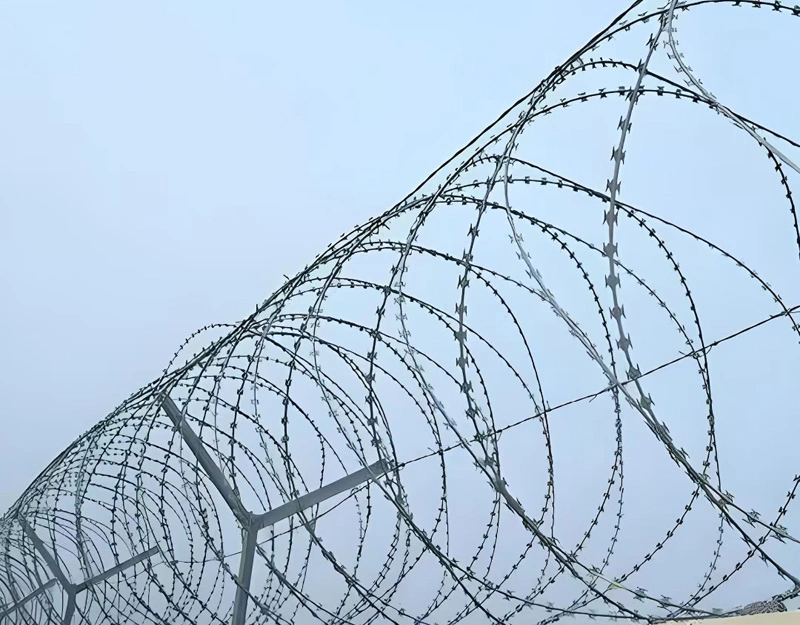
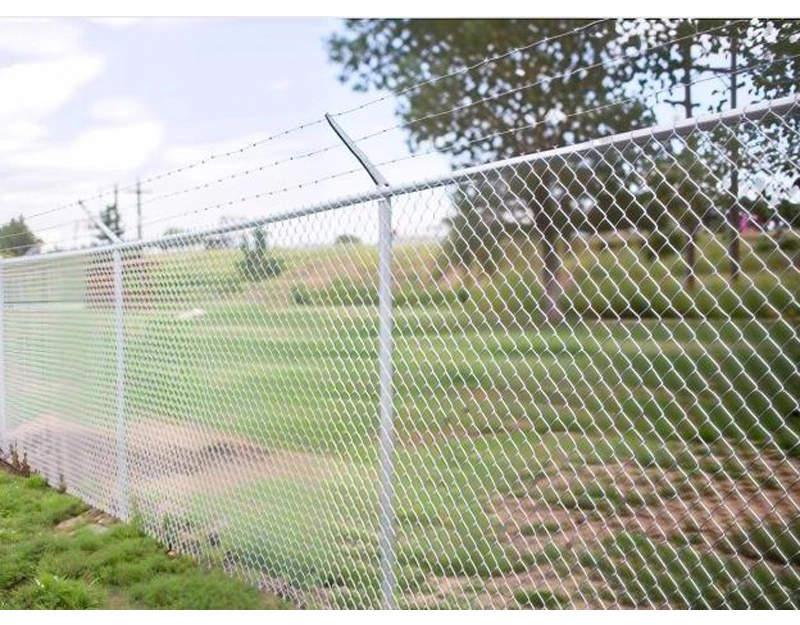
Anti-climbing fences are essential for enhancing security around residential, commercial, and industrial properties. These specialized structures not only deter potential intruders but also provide a visual barrier that can improve the overall aesthetics of a location. However, like all outdoor installations, anti-climbing fences require regular maintenance to ensure their longevity and effectiveness. In this technical report, we will explore some top tips for maintaining your anti-climbing fence, ensuring it remains a reliable and robust security measure.
Maintaining an anti-climbing fence is crucial for several reasons. First, regular maintenance helps to identify and address any structural issues before they become major problems. This proactive approach can save you significant costs in the long run. Additionally, a well-maintained fence enhances the appearance of your property, contributing to its overall value. An anti-climbing fence manufacturer often provides guidelines on how to maintain the fence, but it's essential to understand the specific needs of your installation.
Regular inspections are the first step in maintaining your anti-climbing fence. Inspections should be conducted at least twice a year, or more frequently if your fence is exposed to harsh weather conditions. During these inspections, look for signs of wear and tear, such as rust, corrosion, loose bolts, or damaged panels. Pay special attention to the areas where the fence meets the ground, as these are often the most susceptible to moisture and corrosion. If you notice any issues, it's important to address them promptly to prevent further damage.
One of the most common issues with metal anti-climbing fences is corrosion. To prevent this, it's important to keep the fence clean and free from debris. Use a mild detergent and water to clean the fence, and avoid using abrasive materials that can scratch the surface. After cleaning, rinse the fence thoroughly with water and allow it to dry completely. For added protection, consider applying a rust-inhibiting primer and a fresh coat of paint. This not only prevents corrosion but also gives your fence a refreshed appearance.
If your anti-climbing fence includes gates or other moving parts, it's important to lubricate these components regularly. Lubrication reduces friction and wear, extending the life of the moving parts. Use a high-quality lubricant specifically designed for outdoor use, and apply it to hinges, latches, and other moving parts. Be sure to wipe away any excess lubricant to prevent dirt and debris from accumulating. Regular lubrication will ensure that your gates and other moving parts operate smoothly and efficiently.
Vegetation and debris can pose a significant threat to the integrity of your anti-climbing fence. Overgrown plants and trees can cause physical damage to the fence, while debris can accumulate and trap moisture, leading to corrosion. Regularly trim back any vegetation that is growing too close to the fence, and clear away any leaves, branches, or other debris. This not only protects the fence but also improves visibility and security. Consider installing a weed barrier along the base of the fence to prevent grass and weeds from growing too close.
When you identify any structural issues during your inspections, it's important to address them promptly. This may involve tightening loose bolts, replacing damaged panels, or even repairing or replacing entire sections of the fence. Ignoring these issues can lead to more extensive and costly repairs in the future. If you're unsure about how to address a particular issue, consult the anti-climbing fence manufacturer or a professional contractor for guidance. Timely repairs will ensure that your fence remains strong and secure.
Maintaining your anti-climbing fence is a critical aspect of ensuring its long-term performance and effectiveness. By following these top tips—regular inspections, cleaning and preventing corrosion, lubricating moving parts, trimming vegetation, and addressing structural issues promptly—you can keep your fence in excellent condition. Remember, a well-maintained anti-climbing fence not only enhances the security of your property but also contributes to its overall value and appearance. Investing time and effort into regular maintenance will pay off in the long run, providing you with peace of mind and a secure environment.
Leave a Reply