

 English
 China
China Thailand
 Malaysia
 Vietnam
 Laos
Laos Cambodia
 Pilipinas
 Indonesia
 Russian
 Portuguese
 Arabic
 Japanese
 Spanish
 Italian
 French
 German
News
- Home
- News
- Company News
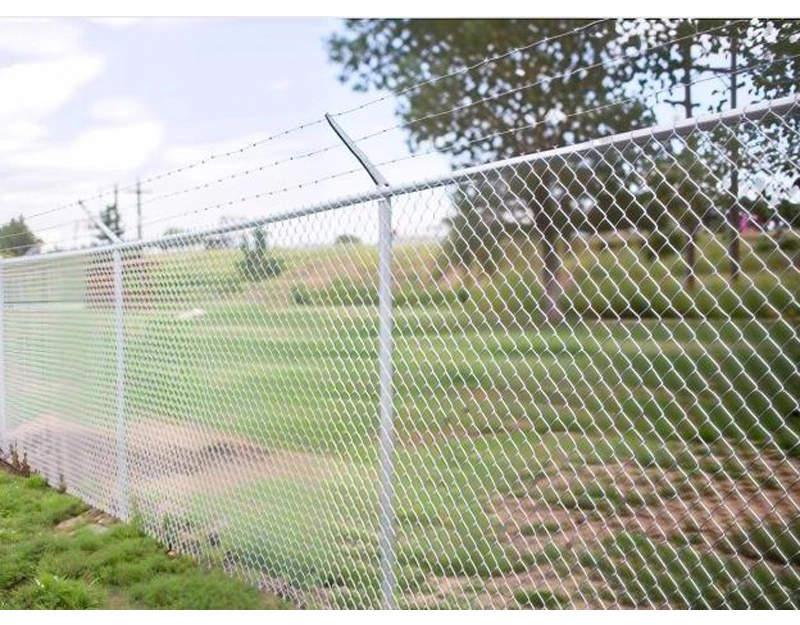
Anti-climbing fences are essential for securing premises and deterring unauthorized access. The importance of quality in their manufacturing cannot be overstated, as the effectiveness of these barriers is directly tied to the materials used and the craftsmanship involved. This report will explore several key aspects that highlight why high-quality production is critical in the anti-climbing fence industry.
The first aspect to consider when discussing the importance of quality in anti-climbing fence manufacturer operations is the selection of materials. High-grade metals, such as galvanized steel or aluminum, are often preferred due to their strength and resistance to corrosion. These materials ensure that the fence can withstand environmental factors, including harsh weather conditions, without compromising its integrity. Additionally, the use of superior materials enhances the overall lifespan of the fence, reducing maintenance costs and the need for frequent replacements. It's imperative for manufacturers to source materials from reputable suppliers to guarantee consistency and reliability in the final product.
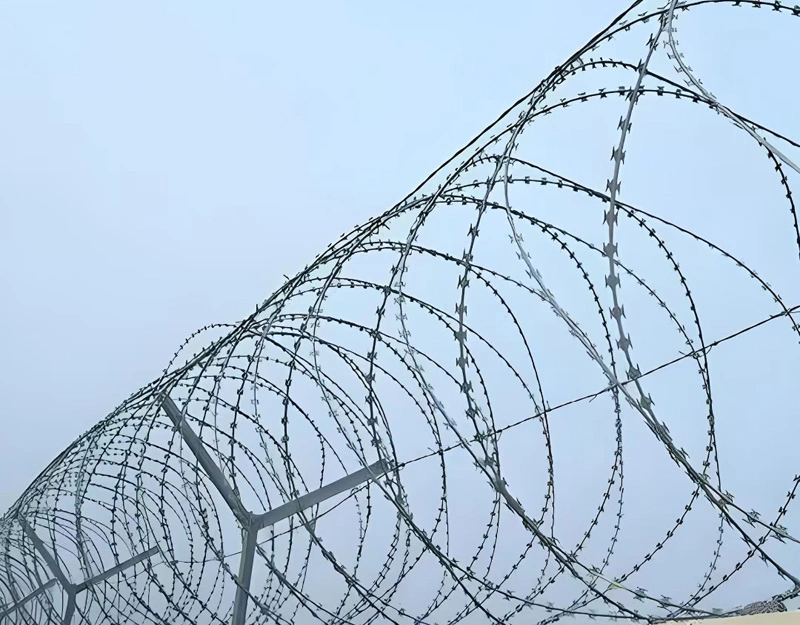
Beyond material selection, the design and engineering processes play a crucial role in the effectiveness of an anti-climbing fence. Advanced designs incorporate features such as anti-climb spikes, which make it difficult for intruders to scale the fence. Moreover, the engineering of the fence must ensure that it is structurally sound, with no weak points that could be exploited. This includes proper welding techniques, secure fastenings, and robust connections between fence panels. A well-designed and engineered fence not only deters potential intruders but also integrates seamlessly into the environment, maintaining both security and aesthetic appeal. Manufacturers must invest in research and development to stay ahead of emerging threats and technological advancements in security solutions.
Quality control is another critical element in the manufacturing process. Rigorous testing and inspection at every stage of production help identify and rectify any defects before the product reaches the market. This includes checking for uniformity in material thickness, verifying welds, and ensuring that all components meet specified standards. By implementing stringent quality control measures, manufacturers can deliver products that are reliable and consistent, thereby building trust with customers. Regular audits and certifications, such as ISO 9001, further validate the commitment to quality and continuous improvement. These practices not only enhance the reputation of the manufacturer but also provide peace of mind to end-users who rely on these fences for security.
One of the hallmarks of a high-quality anti-climbing fence manufacturer is the ability to offer customized solutions. Different environments and applications may require specific features, such as varying heights, additional security measures, or integration with other security systems. Customization allows manufacturers to tailor their products to meet the unique needs of each client, whether it's for residential, commercial, or industrial use. This adaptability ensures that the fence provides optimal protection and functionality, regardless of the setting. Furthermore, the ability to customize also reflects the manufacturer's flexibility and responsiveness to market demands, which is a key differentiator in a competitive industry.
In recent years, sustainability has become an increasingly important factor in manufacturing. High-quality anti-climbing fences should be designed and produced with environmental considerations in mind. This includes using recyclable materials, minimizing waste during production, and implementing energy-efficient manufacturing processes. Additionally, durable and long-lasting fences reduce the need for frequent replacements, thereby lowering the overall environmental impact. Manufacturers that prioritize sustainability not only contribute to a greener future but also appeal to environmentally conscious consumers. By adopting sustainable practices, anti-climbing fence manufacturers can differentiate themselves in the market and align with global trends towards more responsible and eco-friendly solutions.
In conclusion, the importance of quality in anti-climbing fence manufacturing is multifaceted, encompassing material selection, design and engineering, quality control, customization, and sustainability. Each of these elements plays a vital role in ensuring that the final product is effective, reliable, and meets the diverse needs of various applications. By focusing on these key areas, manufacturers can produce high-quality anti-climbing fences that provide robust security and long-term value to their customers.
Leave a Reply