

 English
 China
China Thailand
 Malaysia
 Vietnam
 Laos
Laos Cambodia
 Pilipinas
 Indonesia
 Russian
 Portuguese
 Arabic
 Japanese
 Spanish
 Italian
 French
 German
News
- Home
- News
- Company News
When it comes to securing a property, whether it's a residential area, industrial site, or public infrastructure, choosing the right type of fencing is crucial. An anti-climbing fence stands out as an effective solution for deterring unauthorized access and enhancing security. This article delves into the key features one should consider when selecting an anti-climbing fence from a reputable anti-climbing fence manufacturer. By understanding these essential characteristics, you can make an informed decision that best suits your security needs.
The durability of the material used in constructing an anti-climbing fence is paramount. Common materials include steel, aluminum, and sometimes reinforced plastic. Steel, particularly galvanized or stainless steel, offers excellent strength and resistance to corrosion, making it a popular choice for environments where longevity and robustness are critical. Aluminum, on the other hand, provides a good balance between weight and strength, ideal for locations where installation might be challenging. When evaluating options with an anti-climbing fence manufacturer, inquire about the specific type of material used and its properties, such as tensile strength, impact resistance, and how well it withstands environmental factors like UV exposure, moisture, and temperature fluctuations. Ensuring that the chosen material can endure the local climate and potential physical stresses will significantly extend the lifespan of the fence.
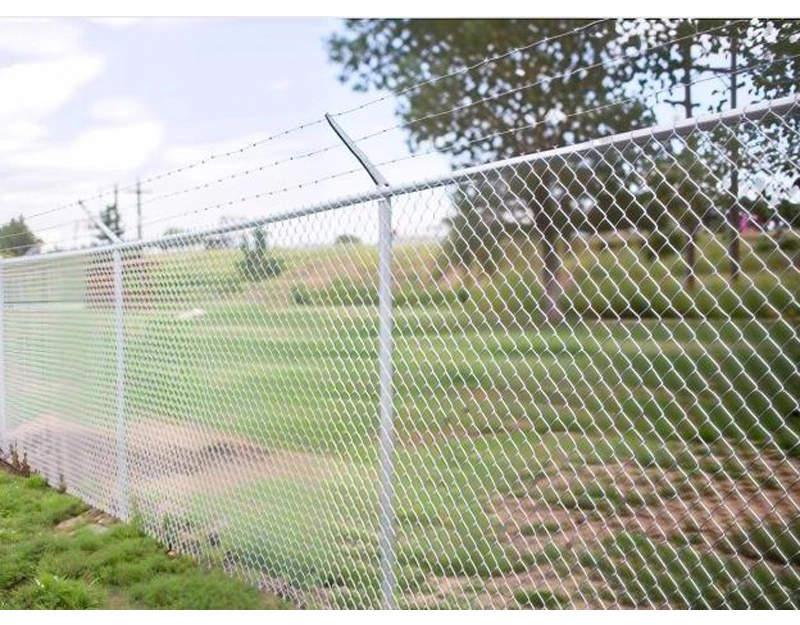
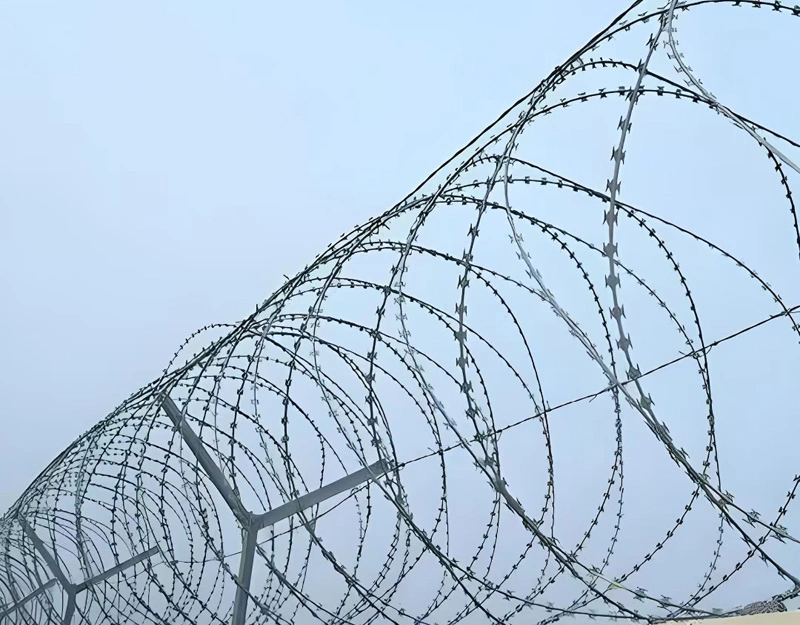
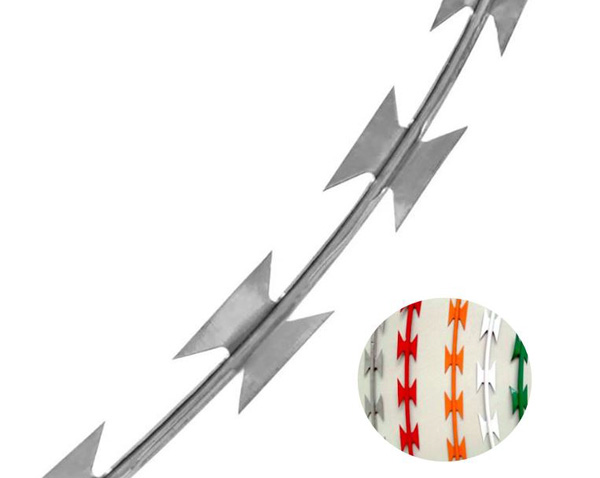
While functionality is a primary concern, the design and aesthetics of an anti-climbing fence should not be overlooked. The appearance of the fence can greatly influence the overall look and feel of the secured area. Modern designs often incorporate sleek, minimalist styles that blend seamlessly with their surroundings, while still providing formidable protection. Some manufacturers offer customizable options, allowing clients to choose colors, finishes, and even integrate decorative elements that match the architectural style of the property. Additionally, certain designs may feature unique anti-climb features, such as top spikes, curved or angled tops, and small mesh sizes, which enhance both the visual appeal and the security of the fence. When consulting with an anti-climbing fence manufacturer, discuss the available design options and how they can complement the aesthetic requirements of your project.
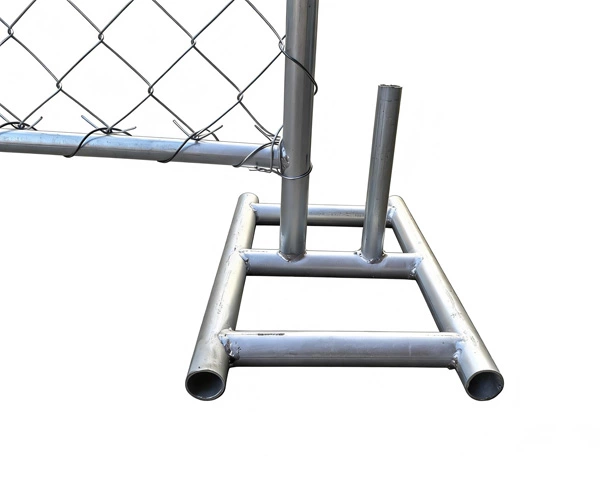
Proper installation and maintenance are key to ensuring the effectiveness and longevity of an anti-climbing fence. The ease of installation can vary depending on the type of fence and the specific conditions of the site. Some fences come with pre-assembled panels, which can significantly reduce installation time and labor costs. Others may require more complex assembly processes, especially if custom designs or irregular terrain are involved. It's important to work closely with the anti-climbing fence manufacturer to understand the installation process and any specialized tools or expertise required. Furthermore, regular maintenance is essential to keep the fence in optimal condition. This may include periodic inspections, cleaning, and touch-ups to address any wear and tear. Manufacturers often provide maintenance guidelines and may offer after-sales support services, such as repairs and replacements, to ensure the fence remains secure and functional over time.
To further enhance the security provided by an anti-climbing fence, several additional features and accessories can be integrated. These may include surveillance systems, lighting, and electronic security measures. For instance, installing CCTV cameras along the perimeter of the fence can provide real-time monitoring and deter potential intruders. Motion-activated lights can also be added to illuminate the area at night, making it more difficult for unauthorized individuals to approach undetected. Additionally, some advanced anti-climbing fences can be equipped with sensors that trigger alarms or alert security personnel in the event of tampering or breach attempts. Discussing these security enhancements with the anti-climbing fence manufacturer can help tailor the solution to meet the specific security needs of your property.
Investing in a high-quality anti-climbing fence is a significant decision, and it's important to consider the cost-effectiveness and long-term value of the product. While initial costs may vary depending on the materials, design, and additional features, it's crucial to evaluate the overall return on investment. A well-constructed and properly maintained anti-climbing fence can provide years of reliable service, reducing the need for frequent replacements and repairs. Additionally, the enhanced security provided by the fence can lead to lower insurance premiums and reduced risk of property damage or theft, ultimately saving money in the long run. When discussing options with an anti-climbing fence manufacturer, ask about the warranty, expected lifespan, and any potential cost savings associated with the chosen solution. This information will help you make a more informed decision that aligns with your budget and long-term security goals.
In conclusion, selecting the right anti-climbing fence involves considering multiple factors, including material durability, design, installation, security enhancements, and cost-effectiveness. By carefully evaluating these key features and working with a reputable anti-climbing fence manufacturer, you can ensure that your property is well-protected and that the fence meets both your functional and aesthetic requirements. Whether you are securing a residential, commercial, or industrial site, the right anti-climbing fence can provide peace of mind and a strong barrier against unauthorized access.
Leave a Reply