A Comprehensive Guide to Selecting Anti-Climb Fences
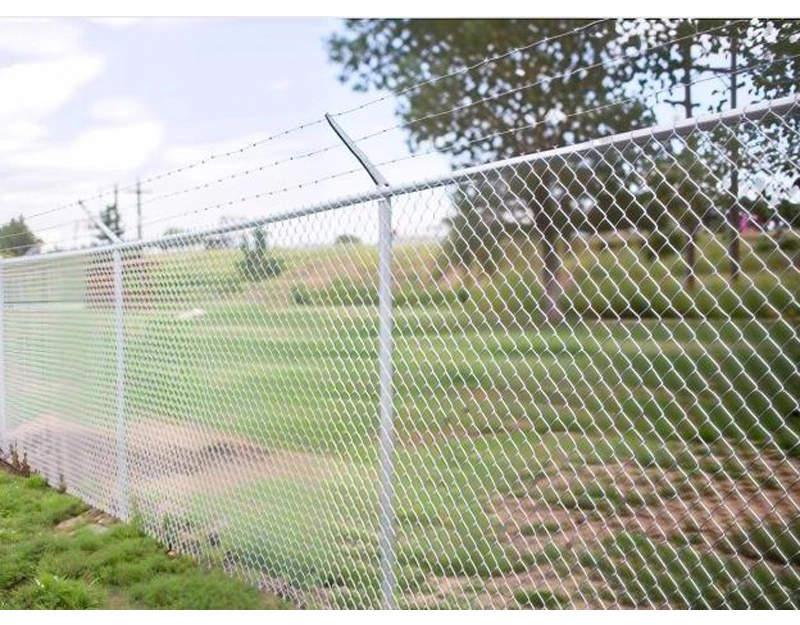
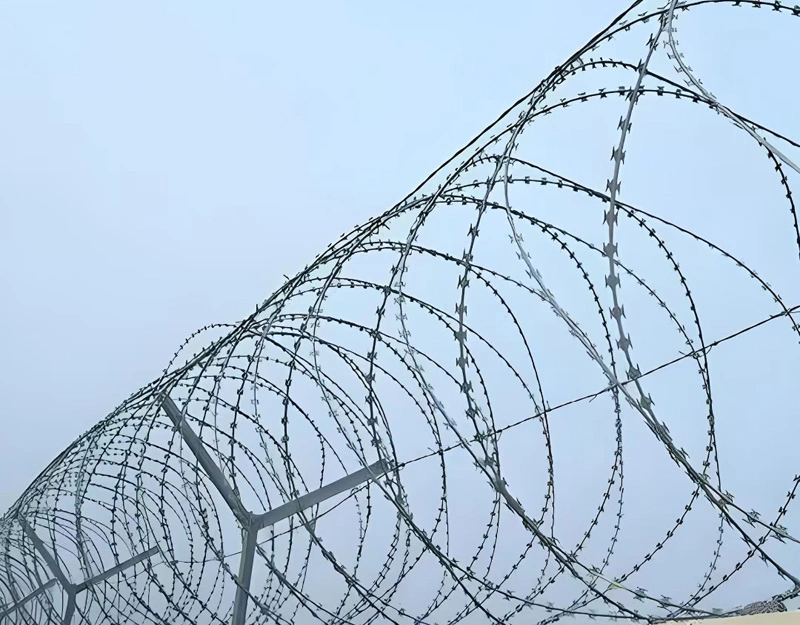
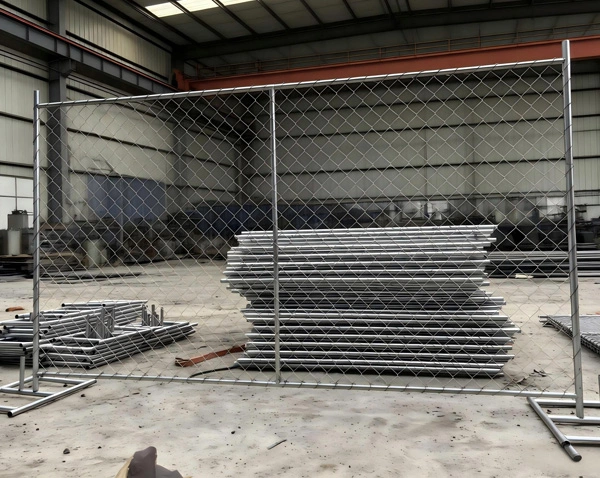
When it comes to securing properties and ensuring safety, anti-climb fences play a crucial role. These structures are designed to deter unauthorized access and protect against potential intruders. In this guide, we will explore the key considerations when selecting an anti-climb fence, with insights from leading Anti climbing fence manufacturers.
The Importance of Material Quality in Anti-Climb Fences
The material used in the construction of anti-climb fences is one of the most critical factors to consider. High-quality materials not only ensure durability but also provide the necessary strength to withstand various environmental conditions. Leading anti climbing fence manufacturers often use materials such as galvanized steel, stainless steel, or aluminum. Each material has its own set of advantages:
- Galvanized Steel: Known for its corrosion resistance and high tensile strength, galvanized steel is a popular choice. It can withstand harsh weather conditions and requires minimal maintenance.
- Stainless Steel: This material offers excellent resistance to corrosion and rust, making it ideal for coastal areas or regions with high humidity. Stainless steel fences are also aesthetically pleasing and long-lasting.
- Aluminum: Lightweight and durable, aluminum is another good option. It is resistant to corrosion and can be easily coated with protective finishes to enhance its longevity.
Choosing the right material depends on the specific needs of the property and the environmental conditions it will be exposed to. Consulting with a reputable anti climbing fence manufacturer can help in making an informed decision.
Design and Aesthetics: Balancing Security and Visual Appeal
While the primary function of an anti-climb fence is to provide security, it should also complement the overall aesthetic of the property. Many anti climbing fence manufacturers offer a variety of designs that can be customized to match the architectural style of the building or the surrounding landscape. Some key design considerations include:
- Height and Spacing: The height of the fence and the spacing between the bars or wires are crucial for both security and visual appeal. Higher fences and closer spacing can provide better security, but they may also appear more imposing. A balance must be struck to ensure the fence is both effective and visually appealing.
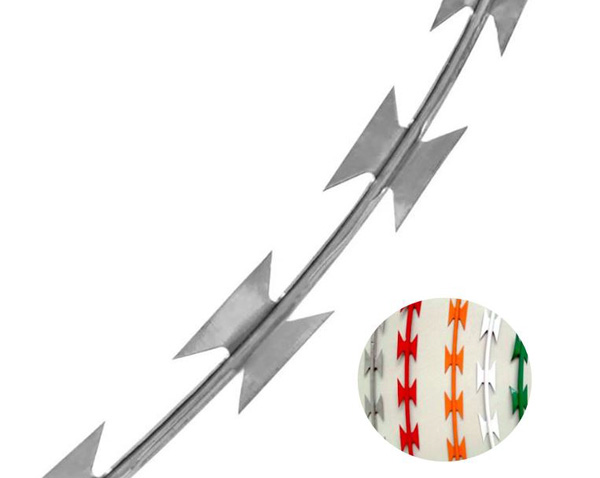
- Color and Finish: The color and finish of the fence can significantly impact its appearance. Powder-coated finishes are popular for their durability and the wide range of colors available. This allows property owners to choose a color that blends well with the surroundings or stands out as a statement piece.
- Customization Options: Some anti climbing fence manufacturers offer customization options, such as adding decorative elements or integrating the fence with existing structures. This can help in creating a cohesive and visually pleasing look while maintaining the required level of security.
By considering these design elements, property owners can achieve a fence that not only secures their premises but also enhances the overall aesthetic of the area.
Installation and Maintenance: Ensuring Long-Term Reliability
Proper installation and regular maintenance are essential for the long-term reliability of an anti-climb fence. A well-installed fence will provide the intended level of security and last for many years. Here are some key points to consider:
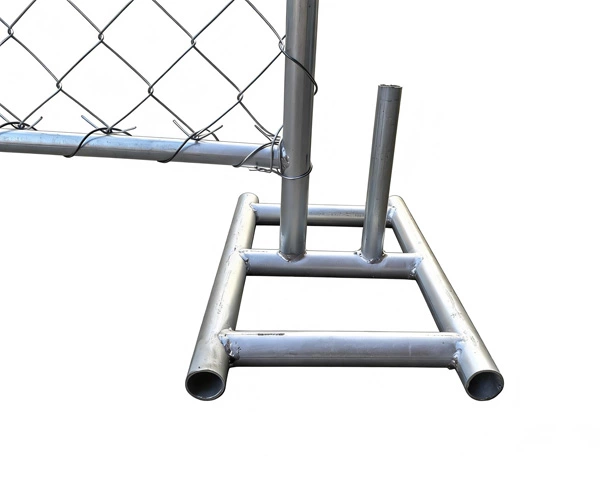
- Professional Installation: It is highly recommended to have the fence installed by a professional. Experienced installers from a trusted anti climbing fence manufacturer will ensure that the fence is securely anchored and properly aligned. They will also take into account any specific site conditions, such as uneven terrain or existing structures.
- Regular Inspections: Regular inspections are crucial to identify any signs of wear and tear or damage. This includes checking for loose or missing parts, corrosion, and any other issues that could compromise the fence's integrity. Early detection and repair can prevent more significant problems down the line.
- Maintenance Tips: To maintain the fence, it is important to keep it clean and free from debris. For metal fences, periodic cleaning with mild soap and water can help remove dirt and grime. If the fence is powder-coated, avoid using abrasive materials that could scratch the surface. Additionally, applying a protective coating or sealant can help extend the life of the fence.
By following these installation and maintenance guidelines, property owners can ensure that their anti-climb fence remains in top condition and continues to provide the necessary security.
Compliance with Local Regulations and Standards
When selecting an anti-climb fence, it is essential to ensure compliance with local regulations and standards. Different regions may have specific requirements regarding fence height, materials, and installation methods. Leading anti climbing fence manufacturers are well-versed in these regulations and can provide guidance to ensure that the chosen fence meets all necessary standards. Some key points to consider include:
- Height Restrictions: Many localities have height restrictions for fences, which can vary depending on the type of property and its location. It is important to check these restrictions before installing a fence to avoid any legal issues.
- Material Requirements: Some regions may have specific requirements for the materials used in the fence. For example, certain areas may require the use of non-corrosive materials or specific coatings to ensure the fence's longevity and safety.
- Permitting and Approval: In many cases, a permit is required before installing a fence. This process typically involves submitting plans and specifications to the local authorities for approval. Working with a reputable anti climbing fence manufacturer can help streamline this process and ensure that all necessary approvals are obtained.
By adhering to local regulations and standards, property owners can avoid potential legal complications and ensure that their fence is both effective and compliant.
Cost Considerations: Balancing Budget and Quality
Cost is a significant factor when selecting an anti-climb fence. While it is important to stay within budget, it is equally important to invest in a quality product that will provide long-term value. Here are some key cost considerations:
- Initial Cost: The initial cost of the fence will depend on factors such as the material, design, and size. It is important to get quotes from multiple anti climbing fence manufacturers to compare prices and ensure that you are getting the best value for your money.
- Long-Term Savings: Investing in a high-quality fence can lead to long-term savings. Durable materials and proper installation can reduce the need for frequent repairs and replacements, ultimately saving money over time.
- Warranty and Support: Many anti climbing fence manufacturers offer warranties and after-sales support. A warranty can provide peace of mind and protection against defects, while after-sales support can help with any issues that may arise. It is important to review the terms of the warranty and understand what is covered.
By carefully considering these cost factors, property owners can make an informed decision that balances their budget with the need for a high-quality and reliable anti-climb fence.
In conclusion, selecting the right anti-climb fence involves considering several key factors, including material quality, design and aesthetics, installation and maintenance, compliance with local regulations, and cost. By working with a reputable anti climbing fence manufacturer, property owners can ensure that they choose a fence that provides the necessary security while also meeting their specific needs and preferences. Whether for residential, commercial, or industrial use, a well-chosen anti-climb fence can provide peace of mind and long-term protection.


 English
 China
China Thailand
 Malaysia
 Vietnam
 Laos
Laos Cambodia
 Pilipinas
 Indonesia
 Russian
 Portuguese
 Arabic
 Japanese
 Spanish
 Italian
 French
 German
Leave a Reply