

 English
 China
China Thailand
 Malaysia
 Vietnam
 Laos
Laos Cambodia
 Pilipinas
 Indonesia
 Russian
 Portuguese
 Arabic
 Japanese
 Spanish
 Italian
 French
 German
News
- Home
- News
- Company News
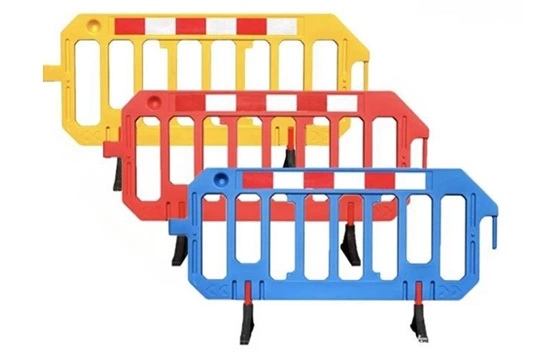
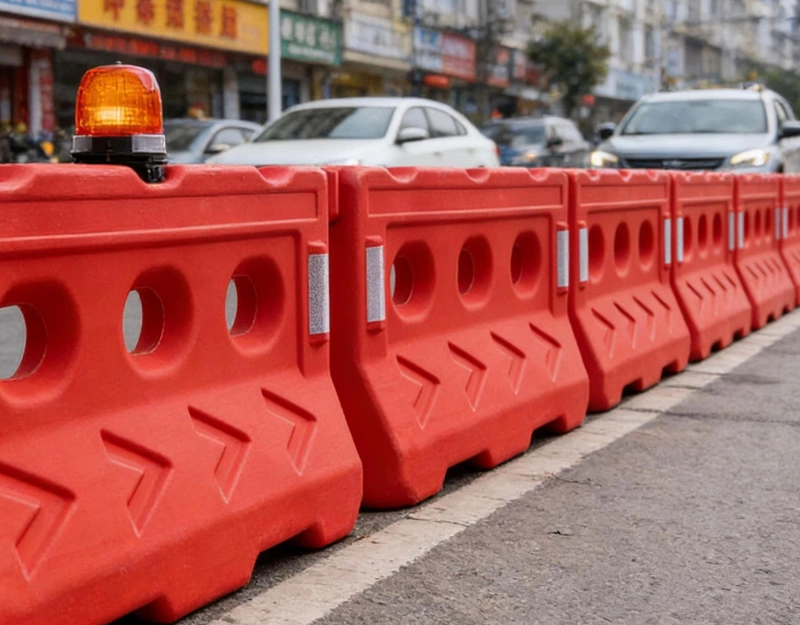
water filled traffic barriers, also known as plastic jersey barriers or water barriers, have become an increasingly popular solution for temporary and semi-permanent traffic control. These barriers are not only cost-effective but also highly versatile, making them suitable for a wide range of applications including roadworks, construction sites, and event management. This technical report will explore the key aspects of setting up and maintaining water filled traffic barriers to ensure optimal performance.
Water filled traffic barriers are typically made from high-density polyethylene (HDPE), a durable and lightweight material that can withstand significant impact without breaking. The design of these barriers includes hollow compartments that can be filled with water or sand to increase their stability and weight. When unfilled, they are easy to transport and store, which is one of their main advantages over traditional concrete barriers. Additionally, HDPE is resistant to corrosion, UV radiation, and extreme weather conditions, ensuring a long service life even in harsh environments.
The effectiveness of water filled traffic barriers in managing traffic and ensuring safety largely depends on how they are installed. Proper installation begins with selecting the right location, taking into account factors such as visibility, traffic flow, and potential hazards. It is essential to ensure that the barriers are placed in a straight line and are connected securely using the provided interlocking mechanisms. This helps prevent gaps between barriers, which could lead to vehicles breaching the barrier system. Furthermore, it is crucial to fill the barriers with the appropriate amount of water or sand, depending on the specific requirements of the site. Overfilling can cause instability, while underfilling may compromise the barrier's ability to absorb and distribute impact forces effectively.
To maintain the integrity and functionality of water filled traffic barriers, regular inspections and maintenance are necessary. Inspections should focus on identifying any signs of damage, such as cracks, dents, or loose connections, which could affect the barrier's performance. Any damaged barriers should be repaired or replaced immediately to avoid compromising the overall safety of the setup. In addition to visual inspections, it is important to check the water level periodically, especially after heavy rainfall or during periods of extreme temperature changes. Water levels may need to be adjusted to ensure that the barriers remain stable and effective. Cleaning the barriers regularly to remove dirt, debris, and graffiti is also recommended to maintain their appearance and reflectivity, which is crucial for nighttime visibility.
One of the key benefits of water filled traffic barriers is their environmental friendliness. Unlike concrete barriers, which require significant energy and resources to produce and transport, Water Filled Barriers have a lower carbon footprint. Moreover, when the barriers reach the end of their service life, the HDPE material can be recycled, reducing waste and promoting sustainability. To further enhance their eco-friendliness, it is advisable to use water from sustainable sources, such as rainwater collection systems, for filling the barriers. Additionally, proper disposal of the water when the barriers are no longer needed is important to prevent contamination of local waterways.
Water filled traffic barriers offer a flexible, cost-effective, and environmentally friendly solution for traffic control and safety. By understanding their design, implementing proper installation techniques, and adhering to regular maintenance practices, these barriers can provide reliable and long-lasting performance. As urban development and infrastructure projects continue to grow, the role of water filled traffic barriers in ensuring public safety and minimizing disruptions will become even more critical.


Leave a Reply