

 English
 China
China Thailand
 Malaysia
 Vietnam
 Laos
Laos Cambodia
 Pilipinas
 Indonesia
 Russian
 Portuguese
 Arabic
 Japanese
 Spanish
 Italian
 French
 German
News
- Home
- News
- Company News
water filled traffic barriers play a crucial role in enhancing road safety by providing flexible and effective solutions to manage traffic flow, reduce accident risks, and protect both drivers and pedestrians. These barriers are particularly useful in temporary traffic control scenarios, such as construction zones, events, or emergency situations. This report aims to explore the importance of water-filled traffic barriers in road safety, highlighting their advantages, applications, and the benefits they bring to various stakeholders.
One of the most significant advantages of water filled traffic barriers is their versatility and flexibility. Unlike traditional concrete barriers, which are heavy and difficult to move, water-filled barriers can be easily relocated and adjusted according to changing traffic conditions or project needs. This makes them an ideal solution for temporary traffic management, where the layout of the road may need to be altered frequently. Additionally, these barriers can be filled with water on-site, reducing transportation costs and making them more environmentally friendly. The ability to quickly deploy and reposition water filled traffic barriers allows for efficient traffic control, ensuring that roads remain safe and accessible during construction or other temporary disruptions.
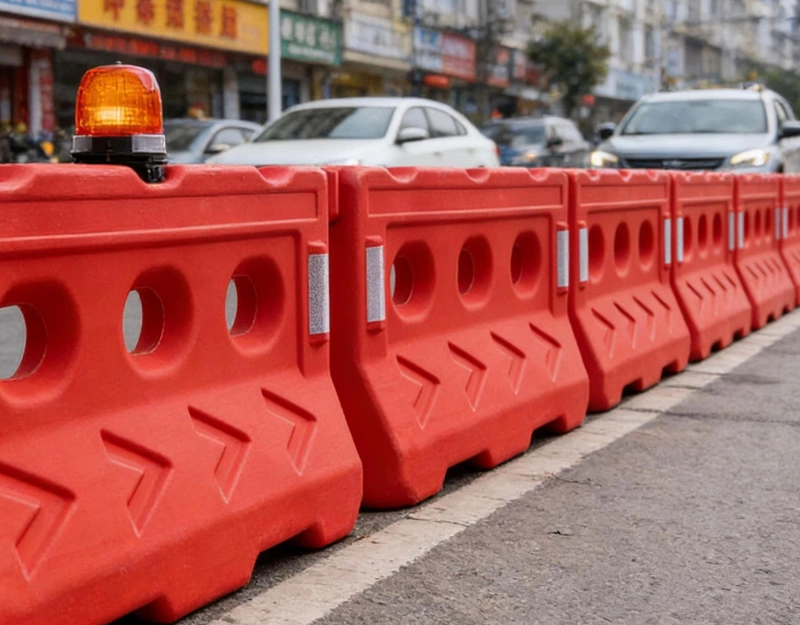
Water filled traffic barriers significantly enhance safety and protection for both drivers and pedestrians. When properly deployed, these barriers act as a physical barrier, preventing vehicles from entering hazardous areas, such as work zones or pedestrian walkways. In the event of a collision, the water inside the barriers absorbs the impact, reducing the force of the crash and minimizing the risk of injury. This is particularly important in high-traffic areas or where there is a high risk of accidents. Furthermore, the visibility of water filled traffic barriers is often enhanced through the use of reflective materials and bright colors, making them highly visible to drivers, even in low-light conditions. This increased visibility helps to alert drivers to potential hazards and encourages them to slow down, thereby reducing the likelihood of accidents.
Another key advantage of water filled traffic barriers is their cost-effectiveness and sustainability. Traditional concrete barriers are not only expensive to produce and transport but also contribute to environmental degradation due to the carbon footprint associated with their production and disposal. In contrast, water filled traffic barriers are made from durable, recyclable materials, such as plastic, and can be reused multiple times. This reduces the overall cost of traffic management projects and minimizes the environmental impact. Additionally, the water used to fill the barriers can be sourced locally, further reducing transportation costs and making the entire process more sustainable. The long-term savings and environmental benefits make water filled traffic barriers an attractive option for both public and private sector organizations involved in road safety and traffic management.
Water filled traffic barriers are adaptable to a wide range of environments and conditions, making them a versatile tool for road safety. They can be used in urban, suburban, and rural settings, and are effective in both dry and wet climates. The barriers are designed to withstand harsh weather conditions, including strong winds and heavy rain, without compromising their structural integrity. This adaptability ensures that they can be effectively deployed in a variety of situations, from small-scale local projects to large-scale infrastructure developments. Moreover, the modular design of water filled traffic barriers allows for easy customization, enabling them to be configured to fit specific site requirements. This adaptability and robustness make water filled traffic barriers a reliable choice for enhancing road safety in diverse and challenging environments.
Ensuring regulatory compliance and adhering to best practices is essential when using water filled traffic barriers. Many countries and regions have specific guidelines and standards for the deployment and use of traffic control devices, including Water Filled Barriers. These regulations cover aspects such as the placement, height, and visibility of the barriers, as well as the type of materials and construction methods used. Adhering to these standards is crucial for maintaining road safety and ensuring that the barriers are effective in their intended purpose. Additionally, regular maintenance and inspection of water filled traffic barriers are necessary to ensure that they remain in good condition and continue to provide the required level of protection. Training and education for those responsible for deploying and managing these barriers are also important, as it ensures that they are used correctly and safely. By following regulatory guidelines and best practices, organizations can maximize the benefits of water filled traffic barriers and contribute to safer roads for all users.
In conclusion, water filled traffic barriers are an essential component of modern road safety strategies. Their versatility, enhanced safety features, cost-effectiveness, adaptability, and compliance with regulatory standards make them a valuable tool for managing traffic and protecting lives. As urbanization and infrastructure development continue to grow, the importance of these barriers in ensuring safe and efficient road networks will only increase. By investing in and properly utilizing water filled traffic barriers, stakeholders can create a safer and more sustainable environment for all road users.






Leave a Reply