A Comprehensive Guide to Choosing the Right Water Filled Traffic Barrier
water filled traffic barriers have become increasingly popular in recent years due to their versatility and effectiveness in managing traffic flow, especially in temporary or emergency situations. These barriers are designed to be easily transported when empty and then filled with water on-site to create a stable and durable obstacle. This comprehensive guide aims to provide a detailed overview of the key factors to consider when selecting the right water filled traffic barrier for your specific needs.
Understanding the Purpose and Benefits of Water Filled Traffic Barriers
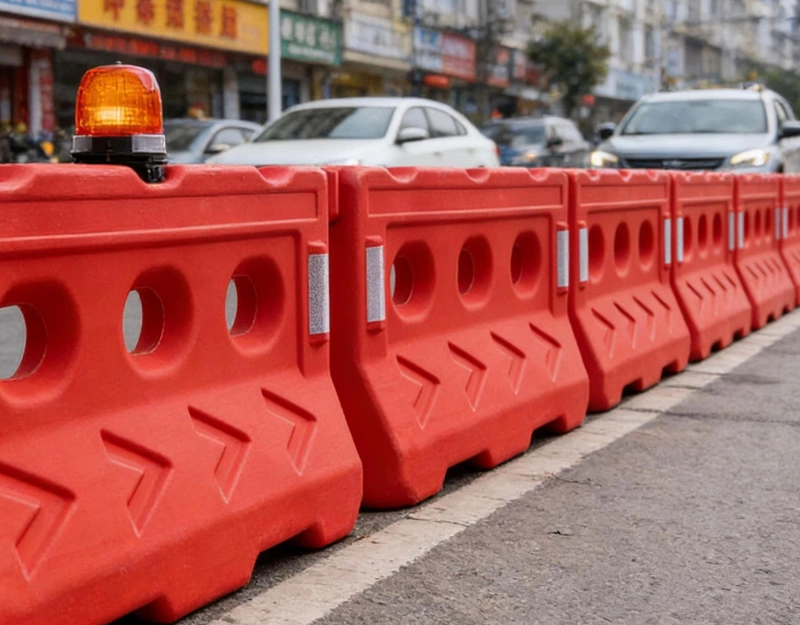
The primary purpose of a water filled traffic barrier is to provide a temporary yet robust solution for traffic management. These barriers are commonly used in construction zones, roadworks, and at event venues to direct traffic, delineate pedestrian walkways, and protect workers and pedestrians from potential hazards. The use of water as a filling material offers several advantages over traditional concrete barriers, including:
- Ease of Transport: When empty, these barriers are lightweight and can be easily moved by hand or with minimal equipment.
- Quick Deployment: Once on-site, the barriers can be quickly filled with water, making them ready for immediate use.
- Cost-Effective: The reusability and ease of transport make Water Filled Barriers a cost-effective solution compared to permanent structures.
- Environmental Impact: Unlike concrete, water-filled barriers do not leave behind any waste materials, reducing their environmental footprint.
By understanding the benefits, you can better appreciate how these barriers can be tailored to meet the unique requirements of different projects and environments.
Key Features to Look For in a Water Filled Traffic Barrier
When choosing a water filled traffic barrier, it's essential to consider several key features that will determine its suitability for your specific application. Here are some of the most important factors to evaluate:
- Material Quality: The durability and longevity of the barrier depend on the quality of the materials used. High-density polyethylene (HDPE) is a common choice due to its strength, flexibility, and resistance to UV radiation and extreme temperatures.
- Weight and Stability: The weight of the filled barrier is crucial for ensuring stability and preventing it from being knocked over. Most barriers are designed to hold between 150 to 300 liters of water, providing a substantial weight that can withstand the impact of vehicles and wind.
- Connectivity and Modular Design: Many modern barriers feature interlocking systems that allow them to be connected in a continuous line, creating a seamless and secure barrier. This modular design also facilitates easy assembly and disassembly, making them ideal for temporary setups.
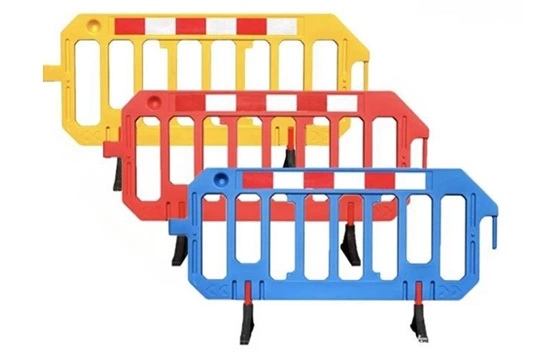
- Visibility and Reflectivity: To enhance safety, especially in low-light conditions, look for barriers with high-visibility colors and reflective strips. These features help drivers and pedestrians see the barriers more clearly, reducing the risk of accidents.
- Customization Options: Some barriers offer customization options such as the ability to add signage, lights, or additional safety features. This flexibility allows you to tailor the barrier to meet specific project requirements.
By carefully evaluating these features, you can ensure that the barrier you choose is both effective and reliable for your intended use.
Application-Specific Considerations
While the general features of a water filled traffic barrier are important, the specific application can significantly influence the type of barrier you need. Here are some application-specific considerations to keep in mind:
- Construction Sites: In construction zones, barriers must be able to withstand the rigors of heavy machinery and frequent movement. Look for barriers with reinforced bases and high-impact resistance. Additionally, the ability to add warning signs or lighting can be beneficial for enhancing visibility and safety.
- Roadworks and Highway Maintenance: For roadworks and highway maintenance, barriers need to be highly visible and stable. Choose barriers with bright colors and reflective strips to ensure they are easily seen by drivers. The connectivity and modular design are also crucial for creating long, continuous lines of barriers.
- Event Management: At events, barriers may need to be set up and removed quickly. Opt for lightweight barriers that are easy to handle and transport. Visibility and reflectivity are still important, but the aesthetic appearance may also be a factor, as barriers should blend well with the event's overall look.
- Emergency Response: In emergency situations, such as natural disasters or accidents, the speed of deployment is critical. Choose barriers that can be rapidly filled and deployed, and that are easy to move and reposition as needed. Durability and impact resistance are also important, as these barriers may need to withstand harsh conditions.
Understanding the specific demands of your application will help you select a barrier that provides the best possible performance and safety.
Installation and Maintenance Best Practices
Proper installation and maintenance are essential for ensuring the effectiveness and longevity of your water filled traffic barrier. Here are some best practices to follow:
- Site Preparation: Before installing the barriers, ensure the site is clear of debris and level. Uneven surfaces can affect the stability of the barriers. If necessary, use leveling pads or sandbags to create a stable base.
- Filling and Sealing: Fill the barriers with clean water to the recommended level. Overfilling can cause the barriers to become unstable, while underfilling may reduce their effectiveness. Ensure all caps and seals are securely fastened to prevent leaks.
- Connection and Alignment: If using multiple barriers, connect them properly according to the manufacturer’s instructions. Ensure they are aligned in a straight line to create a continuous and uniform barrier. Check for any gaps or misalignments and adjust as needed.
- Regular Inspections: Regularly inspect the barriers for any signs of damage, wear, or leaks. Replace or repair any damaged sections promptly to maintain the integrity of the barrier. Pay special attention to the connections and seals, as these are the most vulnerable areas.
- Storage and Transportation: When not in use, store the barriers in a dry, cool place away from direct sunlight. This will help prevent degradation of the materials. When transporting, ensure the barriers are securely fastened to prevent shifting and damage during transit.
By following these best practices, you can ensure that your water filled traffic barriers remain in optimal condition and continue to provide the necessary safety and functionality.
Conclusion
Selecting the right water filled traffic barrier involves considering a range of factors, from the material quality and stability to the specific application and maintenance requirements. By understanding the benefits and key features of these barriers, and by following best practices for installation and maintenance, you can ensure that you choose a solution that meets your needs and provides the highest level of safety and efficiency. Whether you are managing a construction site, directing traffic at an event, or responding to an emergency, a well-chosen water filled traffic barrier can make a significant difference in the success and safety of your project.


 English
 China
China Thailand
 Malaysia
 Vietnam
 Laos
Laos Cambodia
 Pilipinas
 Indonesia
 Russian
 Portuguese
 Arabic
 Japanese
 Spanish
 Italian
 French
 German
Leave a Reply