

 English
 China
China Thailand
 Malaysia
 Vietnam
 Laos
Laos Cambodia
 Pilipinas
 Indonesia
 Russian
 Portuguese
 Arabic
 Japanese
 Spanish
 Italian
 French
 German
News
- Home
- News
- Company News
wire mesh plays a crucial role in safeguarding machinery, providing a versatile and effective solution for creating safety barriers. This technical report explores the importance of Safety Barriers for Machinery, focusing on how wire mesh contributes to enhancing safety standards in industrial environments. The discussion will cover various aspects including the types of hazards that can be mitigated, the benefits of using wire mesh as a barrier material, and the regulatory requirements that guide the implementation of such safety measures. Additionally, we will examine case studies and real-world applications to illustrate the practical value of wire mesh in protecting both workers and equipment.
In any industrial setting, there are numerous potential hazards that can pose risks to workers and machinery. These include moving parts, high-temperature areas, and electrical components. Identifying these hazards is the first step in implementing effective safety measures. Wire mesh, with its robust and flexible design, can be used to create barriers that prevent access to dangerous areas, thereby reducing the risk of accidents and injuries.
Compliance with safety regulations is mandatory in all industrial operations. Various international and local standards, such as OSHA (Occupational Safety and Health Administration) and ISO (International Organization for Standardization), provide guidelines for the design and installation of safety barriers. Wire mesh, when used in accordance with these standards, ensures that the barriers meet the necessary safety criteria, thus protecting both employees and employers from legal and financial liabilities.
Wire mesh is known for its durability and longevity, making it an ideal material for safety barriers. It can withstand harsh environmental conditions, including exposure to chemicals, extreme temperatures, and physical impacts. This durability ensures that the barriers remain effective over long periods, reducing the need for frequent replacements and maintenance, which can be costly and time-consuming.
One of the key advantages of wire mesh is its transparency, which allows for clear visibility while still providing a physical barrier. This feature is particularly important in industrial settings where operators need to monitor machinery and processes without compromising safety. Additionally, wire mesh can be customized in terms of color and design, enhancing the overall aesthetics of the workplace and promoting a positive work environment.
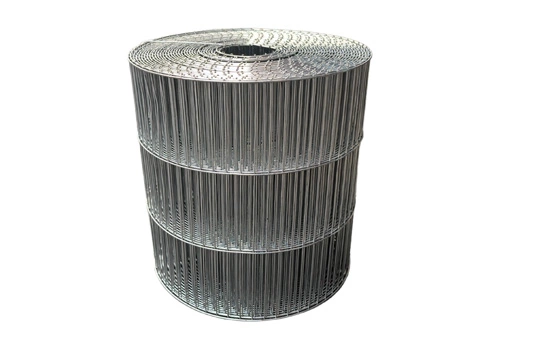
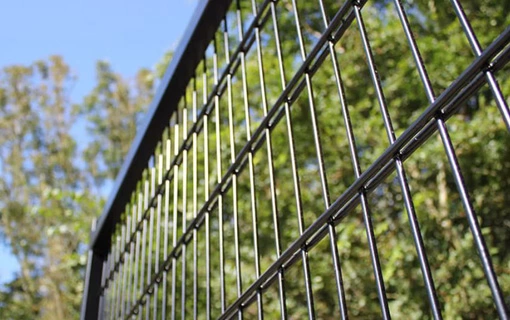
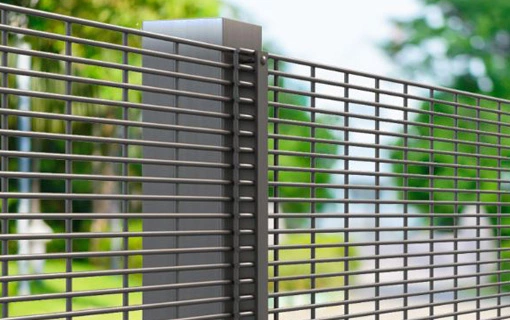
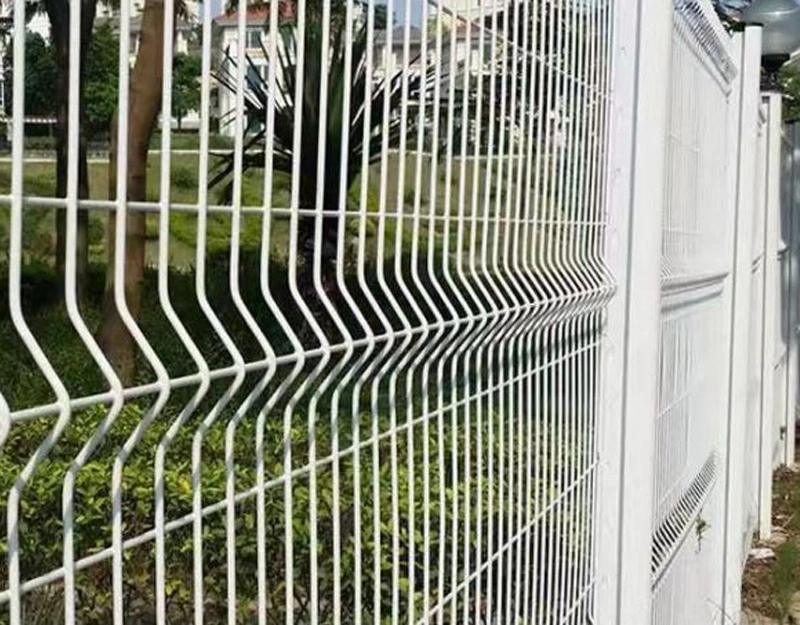
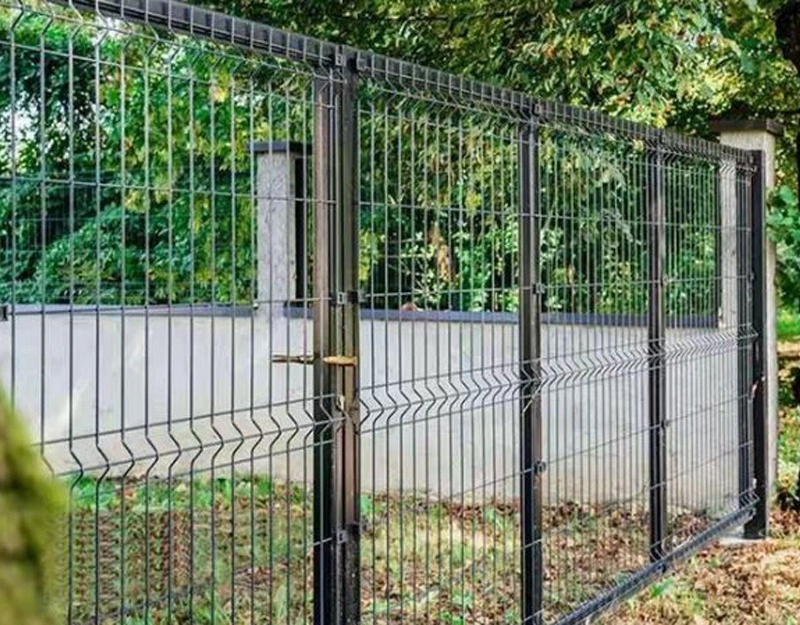
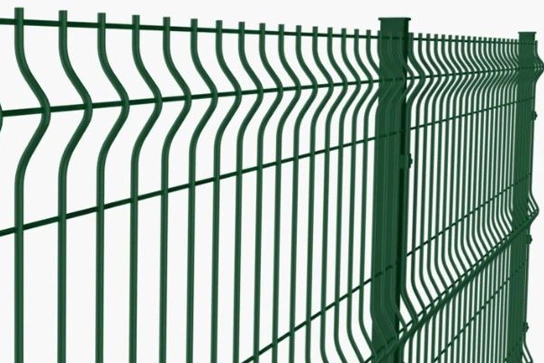
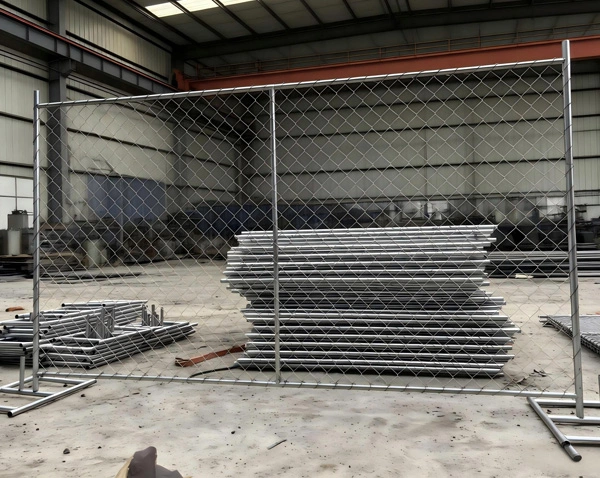
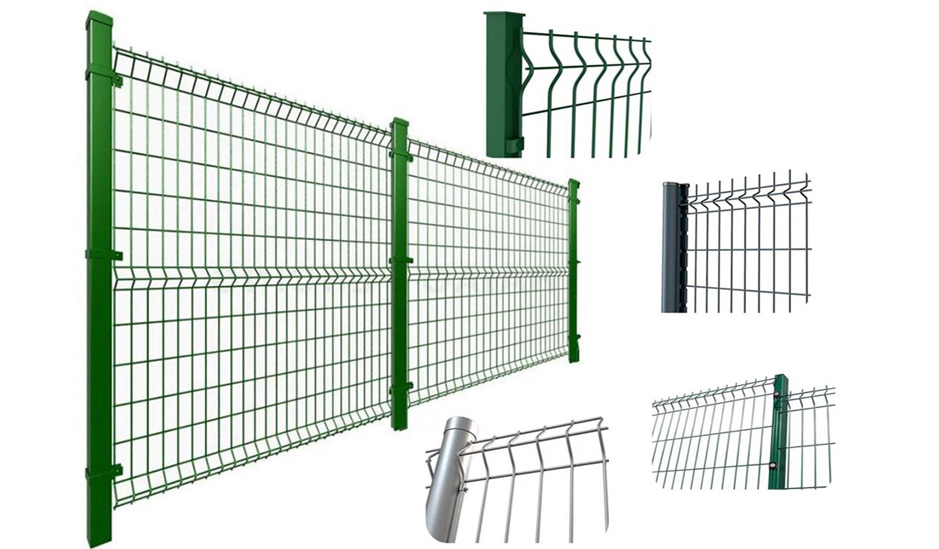
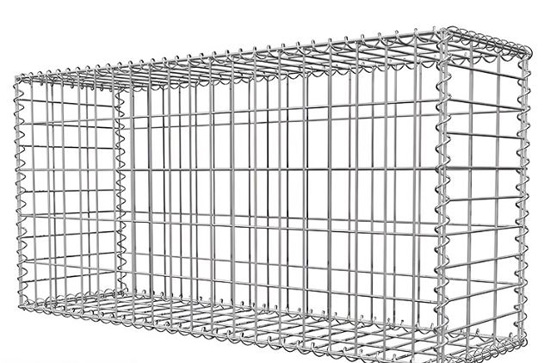
Welded wire mesh is one of the most commonly used types of wire mesh for safety barriers. It is made by welding wires at their intersections, creating a strong and stable structure. This type of mesh is suitable for a wide range of applications, from fencing around hazardous areas to protective covers for machinery. Its strength and rigidity make it an excellent choice for environments where high levels of protection are required.
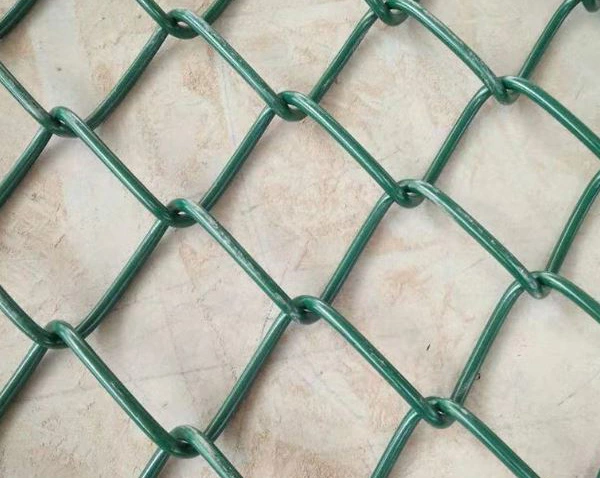
Woven wire mesh, on the other hand, is created by weaving wires together, resulting in a more flexible and pliable material. This type of mesh is often used in situations where a more malleable barrier is needed, such as in the creation of custom-fit covers or enclosures. Woven wire mesh offers good tensile strength and can be easily shaped to fit specific requirements, making it a versatile option for various industrial applications.
Proper installation is crucial for ensuring the effectiveness of wire mesh safety barriers. The process typically involves securing the mesh to a frame or support structure, using appropriate fasteners and connectors. It is essential to follow manufacturer guidelines and industry best practices to ensure that the barriers are installed correctly. This includes ensuring that the mesh is taut and securely attached, with no gaps or weak points that could compromise safety.
Regular maintenance and inspection are necessary to keep wire mesh safety barriers in optimal condition. This includes checking for signs of wear and tear, corrosion, and damage. Any issues should be addressed promptly to prevent further deterioration and to maintain the integrity of the barrier. Regular cleaning and lubrication of the mesh and its attachments can also help extend the lifespan of the barrier and ensure its continued effectiveness.
In an automotive manufacturing plant, wire mesh safety barriers were installed around robotic assembly lines to protect workers from moving parts and machinery. The use of welded wire mesh provided a robust and durable solution, effectively preventing unauthorized access and reducing the risk of accidents. The transparent nature of the mesh allowed operators to monitor the production process without compromising safety, leading to improved efficiency and a safer working environment.
A chemical processing facility implemented wire mesh safety barriers to protect workers from hazardous chemicals and high-temperature areas. The facility used woven wire mesh to create custom-fit enclosures for storage tanks and processing equipment. The flexibility of the woven mesh allowed for precise fitting, ensuring that all potential hazards were fully enclosed. This not only enhanced safety but also met the stringent regulatory requirements for chemical handling and storage.
This report has highlighted the importance of safety barriers in industrial settings and the significant role that wire mesh plays in enhancing safety standards. We have discussed the various types of wire mesh, their benefits, and the proper installation and maintenance techniques. Case studies have demonstrated the practical value of wire mesh in real-world applications, emphasizing its durability, visibility, and compliance with regulatory standards.
As technology continues to advance, the future of safety barriers is likely to see the integration of smart and automated systems. For example, sensors and monitoring systems can be incorporated into wire mesh barriers to detect and alert workers to potential hazards in real-time. Additionally, the development of new materials and manufacturing techniques may lead to even more durable and versatile safety solutions. These advancements will further enhance the effectiveness of safety barriers and contribute to a safer and more efficient industrial environment.


Leave a Reply