

 English
 China
China Thailand
 Malaysia
 Vietnam
 Laos
Laos Cambodia
 Pilipinas
 Indonesia
 Russian
 Portuguese
 Arabic
 Japanese
 Spanish
 Italian
 French
 German
News
- Home
- News
- Company News
wire mesh, a versatile and durable material, has found its way into various applications across residential and commercial sectors. This report delves into the advantages of wire mesh, exploring its structural integrity, cost-effectiveness, and aesthetic appeal. By understanding these benefits, stakeholders can make informed decisions on incorporating wire mesh into their projects.
One of the primary advantages of wire mesh is its ability to enhance the structural integrity of buildings and other constructions. Wire mesh, typically made from steel or other metals, provides a robust framework that can withstand significant loads and stresses. In residential applications, wire mesh is often used in concrete reinforcement, where it helps to distribute the load evenly and prevent cracking. This is particularly important in areas prone to seismic activity, as the added strength can significantly improve the building's resistance to earthquakes.
In commercial settings, wire mesh is frequently employed in industrial flooring, walls, and even in the construction of storage racks. The high tensile strength of the mesh ensures that these structures can support heavy machinery and large inventories without compromising safety. Additionally, wire mesh can be customized to fit specific requirements, such as varying mesh sizes and wire gauges, allowing for tailored solutions that meet the unique demands of each project.
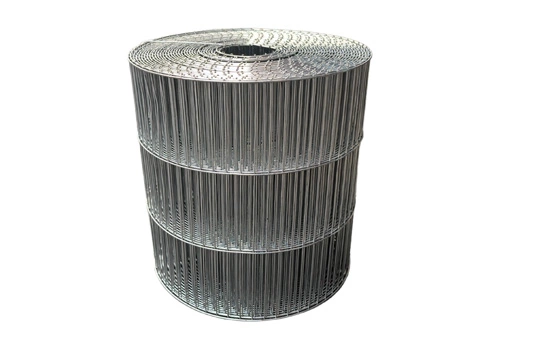
Another significant advantage of wire mesh is its cost-effectiveness. Compared to alternative materials like rebar, wire mesh is generally more affordable and easier to install. This cost savings can be attributed to several factors. Firstly, wire mesh is lightweight, which reduces transportation and handling costs. Secondly, it is available in large rolls, making it easy to cut and shape on-site, thereby minimizing waste and reducing labor time. For residential projects, this translates to lower overall construction costs, making it an attractive option for homeowners and builders alike.
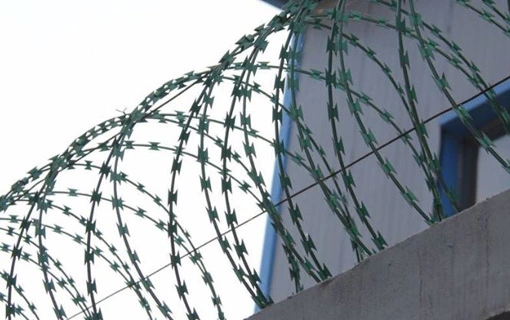
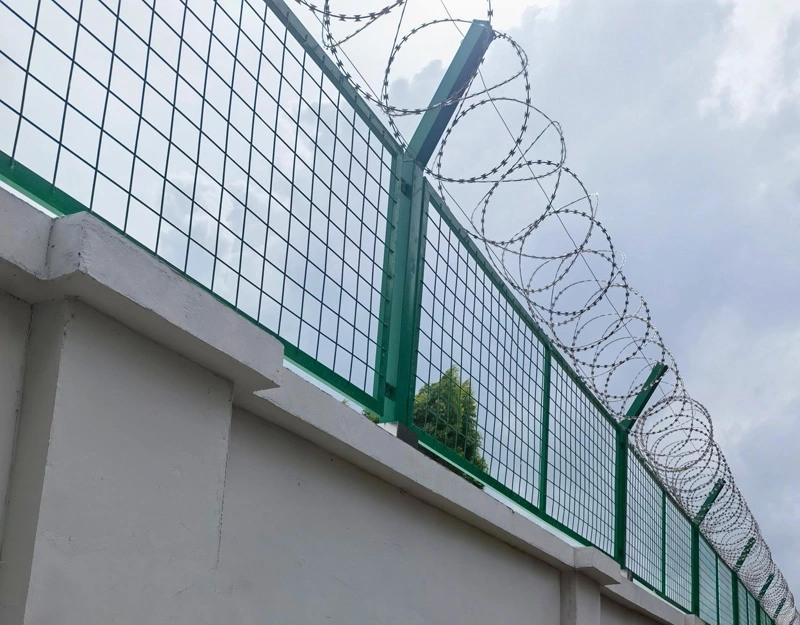
In commercial applications, the cost-effectiveness of wire mesh extends beyond initial installation. The durability of the material means that it requires minimal maintenance over its lifespan, leading to long-term savings. For example, in industrial settings, wire mesh can be used to create durable and long-lasting partitions, fences, and security barriers. These structures not only provide security but also reduce the need for frequent repairs and replacements, further enhancing their economic value.
Beyond its functional benefits, wire mesh also offers aesthetic versatility, making it a popular choice for both residential and commercial designs. The material can be finished in various ways, including galvanization, powder coating, and painting, to match the desired color and texture. This flexibility allows architects and designers to integrate wire mesh seamlessly into a wide range of architectural styles, from modern and minimalist to traditional and rustic.
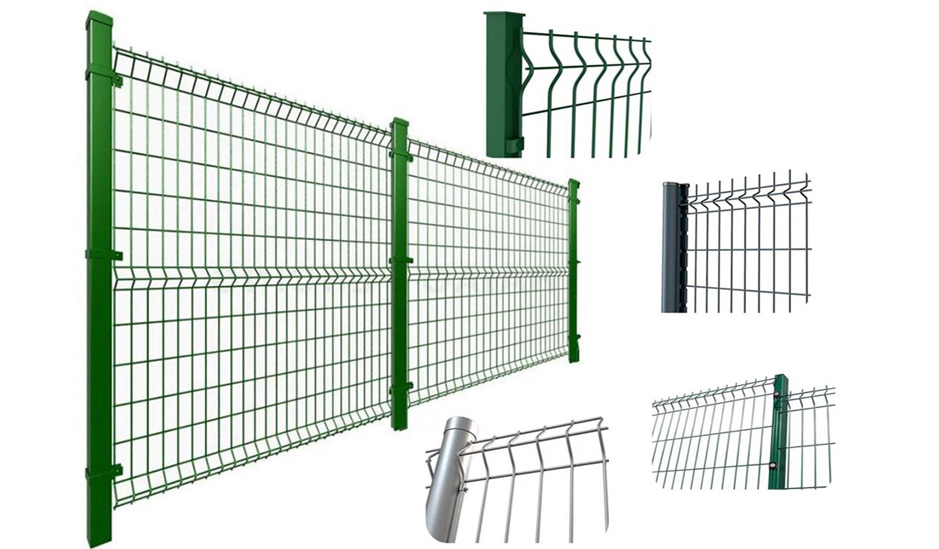
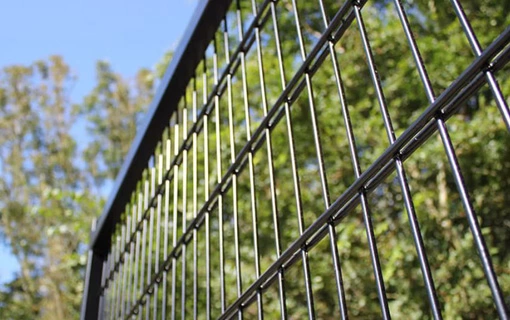
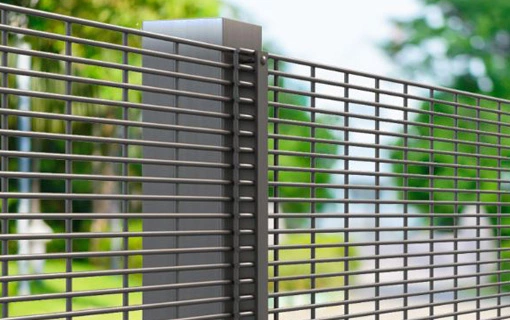
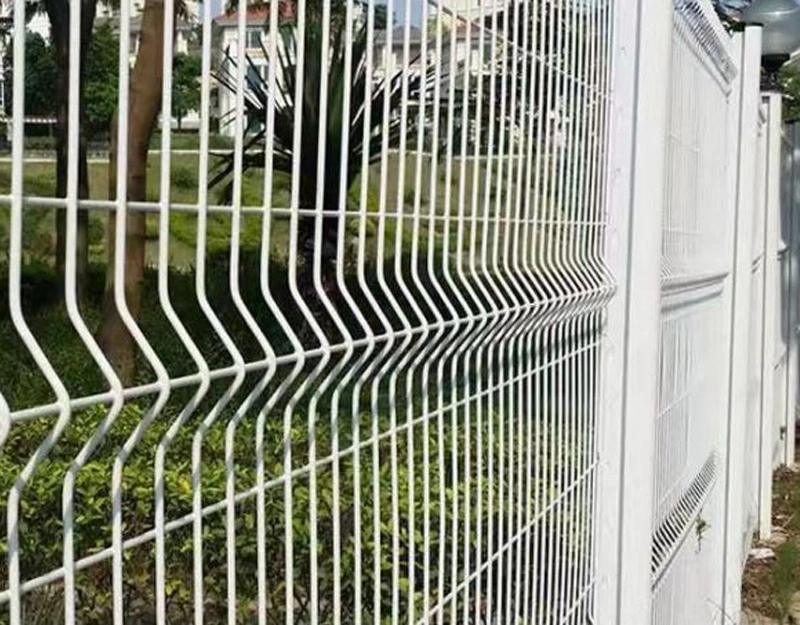
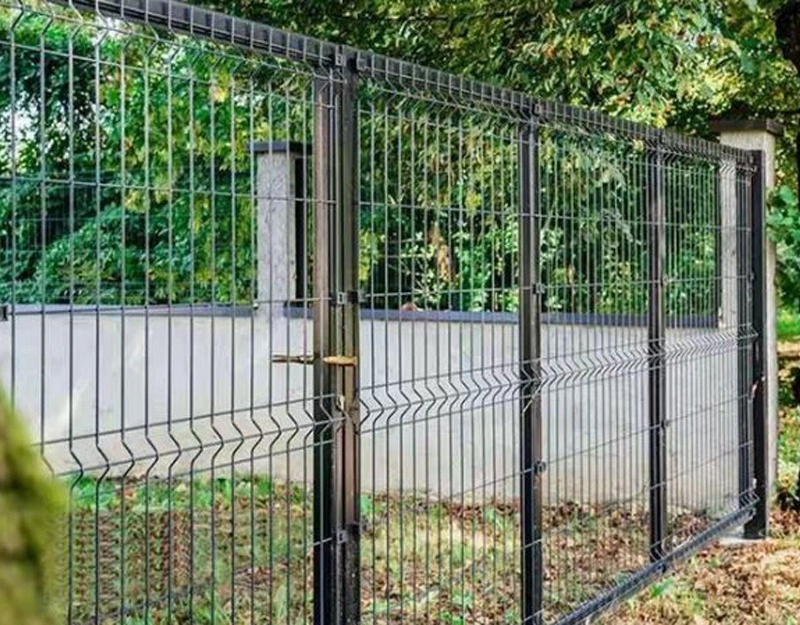
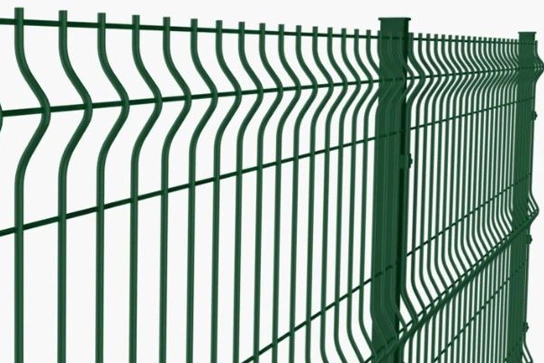
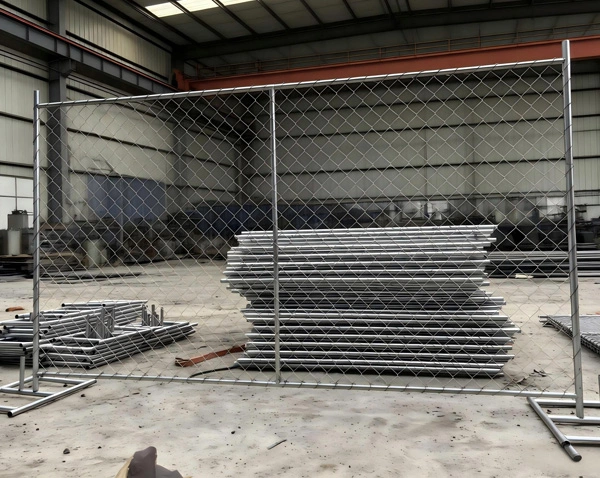
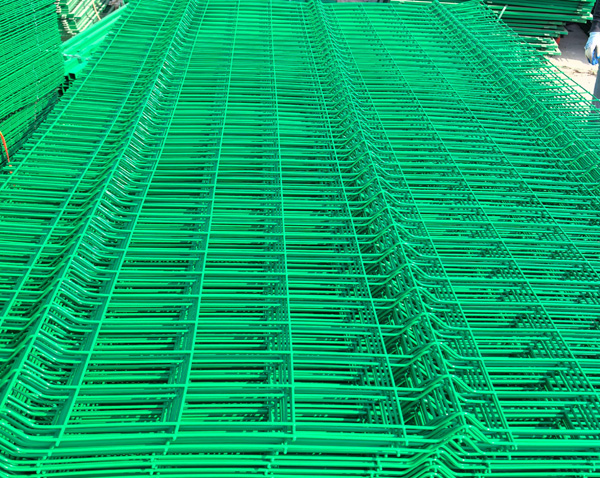
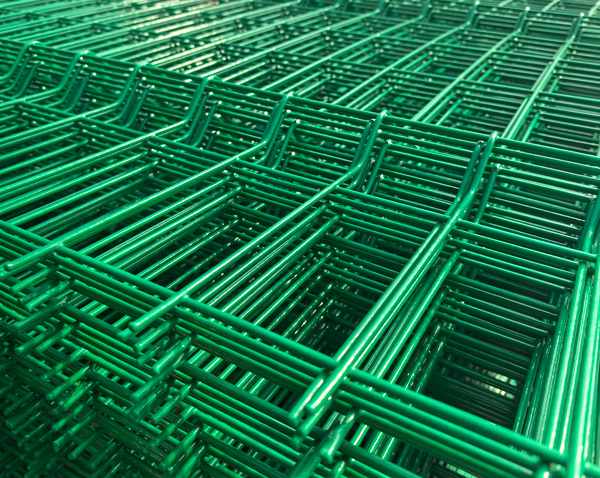
In residential applications, wire mesh can be used for decorative purposes, such as creating custom fencing, privacy screens, and garden trellises. These elements not only add visual interest but also enhance the functionality of outdoor spaces. For example, a wire mesh fence can provide both security and a sense of openness, while a trellis can support climbing plants, adding greenery and beauty to the landscape.
In commercial settings, wire mesh is often used in interior design to create unique and visually appealing features. It can be incorporated into ceilings, walls, and partitions, providing a modern and industrial look. Additionally, wire mesh can be used to create custom signage and displays, adding a touch of creativity and sophistication to retail and office environments. The ability to customize the appearance of wire mesh makes it a versatile material that can complement any design theme.
The sustainability of wire mesh is another key advantage, particularly in an era where environmental concerns are at the forefront of many design and construction decisions. Wire mesh is typically made from recycled materials, such as scrap metal, which reduces the demand for raw resources and minimizes the carbon footprint associated with production. Moreover, the manufacturing process for wire mesh is relatively energy-efficient, further contributing to its eco-friendly credentials.
In residential and commercial applications, the use of wire mesh can also promote sustainability by extending the lifespan of structures. The durability and corrosion resistance of the material mean that it can last for decades with minimal maintenance, reducing the need for frequent replacements and the associated environmental impact. Additionally, when wire mesh reaches the end of its useful life, it can be recycled again, closing the loop and ensuring that the material remains part of a circular economy.
Wire mesh offers a multitude of advantages for both residential and commercial applications. Its enhanced structural integrity, cost-effectiveness, aesthetic versatility, and sustainability make it a valuable material in the construction and design industries. By leveraging these benefits, stakeholders can create durable, economical, and visually appealing structures that meet the needs of modern living and working environments. As the demand for sustainable and efficient building solutions continues to grow, wire mesh is poised to play an increasingly important role in the future of construction.

Leave a Reply