

 English
 China
China Thailand
 Malaysia
 Vietnam
 Laos
Laos Cambodia
 Pilipinas
 Indonesia
 Russian
 Portuguese
 Arabic
 Japanese
 Spanish
 Italian
 French
 German
News
- Home
- News
- Company News
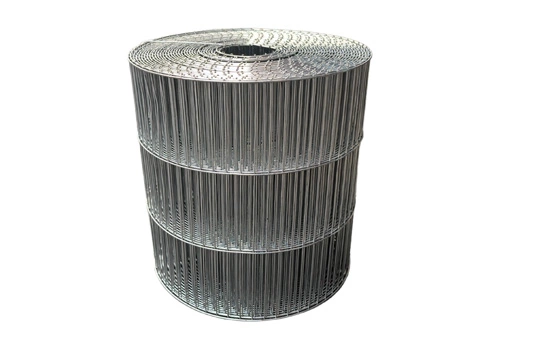
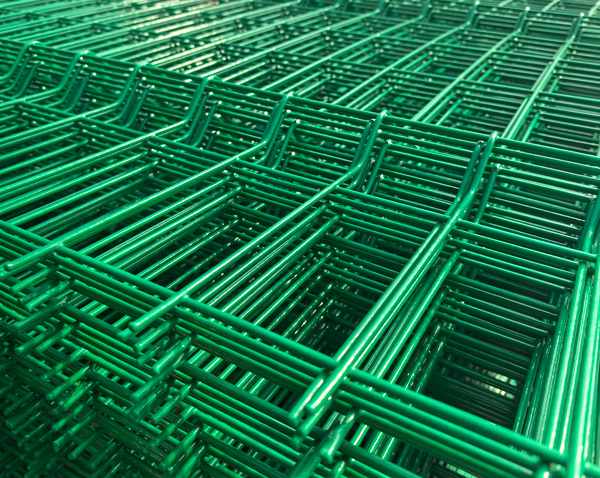
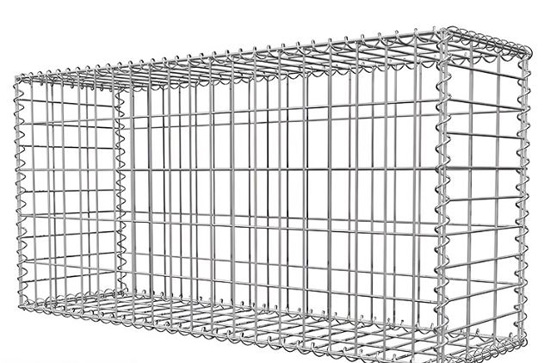
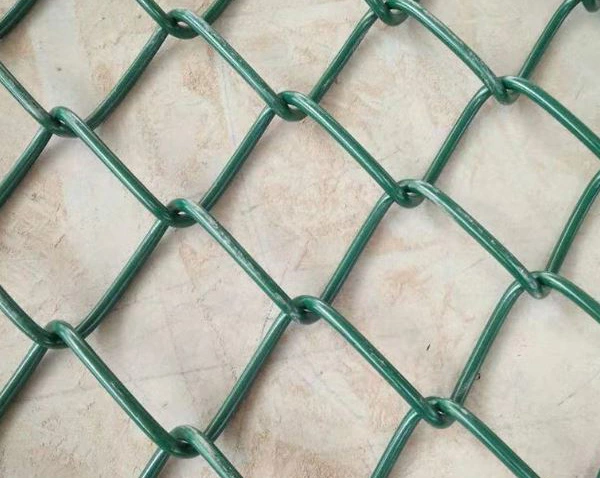
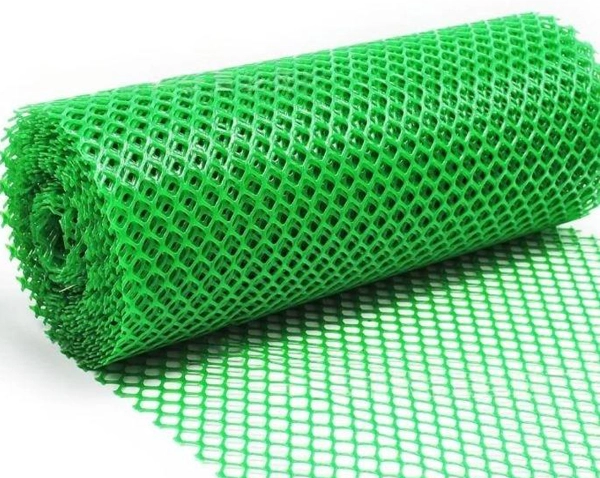
Geosynthetic materials, including geotextiles, geomembranes, and geogrids, have become an integral part of modern infrastructure projects due to their versatility and effectiveness in enhancing the performance of various civil engineering applications. Among these, wire mesh, a type of geosynthetic material, plays a crucial role in reinforcing soil, preventing erosion, and providing structural support. This technical report aims to explore the significance of wire mesh within the context of contemporary construction practices, highlighting its applications, benefits, and installation considerations.
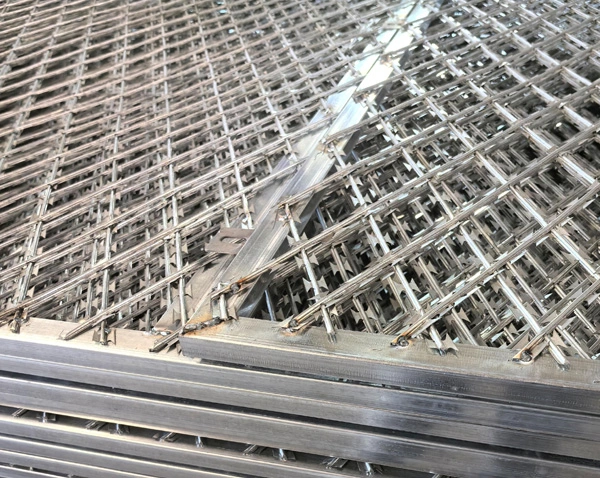
The primary function of wire mesh in infrastructure projects is to enhance the stability of soil, particularly in areas prone to landslides or where the natural ground conditions are inadequate for supporting heavy loads. By integrating wire mesh into the subsoil, it creates a composite structure that distributes the load more evenly, thereby increasing the overall bearing capacity. This reinforcement technique is especially beneficial in road construction, where the mesh helps to prevent rutting and cracking by maintaining the integrity of the pavement layers over time. Additionally, in slope stabilization projects, wire mesh can be used in conjunction with vegetation to create a robust, long-lasting solution against erosion and sliding, ensuring the safety and longevity of the infrastructure.
Erosion control is another critical application of wire mesh in modern infrastructure development. Coastal and riverbank protection, as well as embankment stabilization, frequently utilize this material to mitigate the effects of water flow on the soil. Wire mesh, when installed along the banks, acts as a barrier that reduces the velocity of water, thus minimizing the erosive forces acting upon the soil. Moreover, the open-cell structure of the mesh allows for the establishment of vegetation, which further enhances the site's resistance to erosion through the roots' binding effect on the soil particles. This dual functionality makes wire mesh an ideal choice for creating sustainable, eco-friendly solutions in erosion-prone environments.
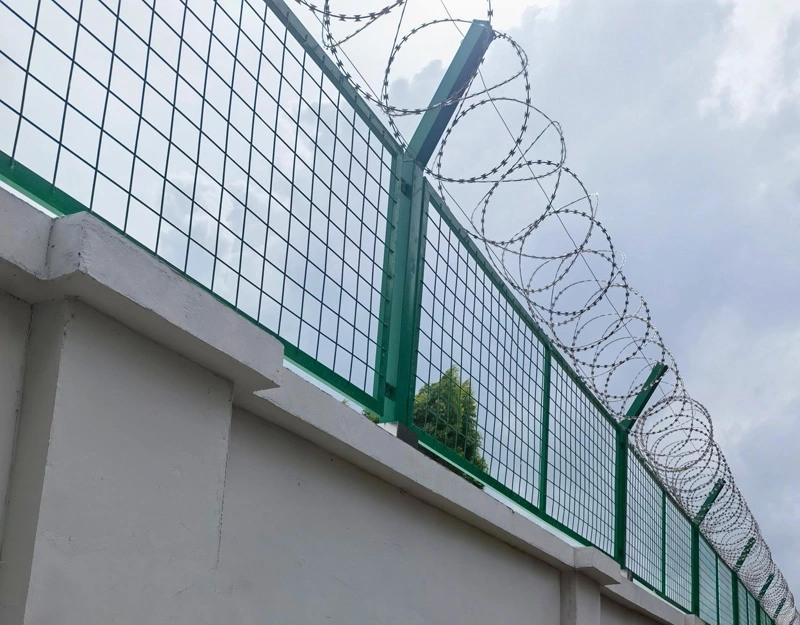
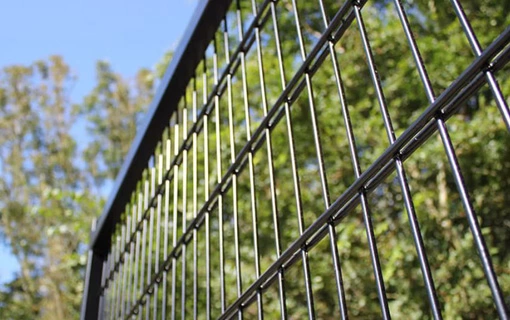
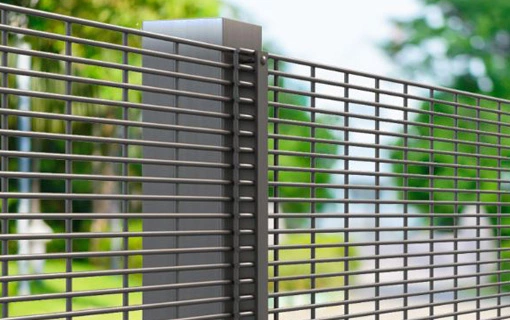
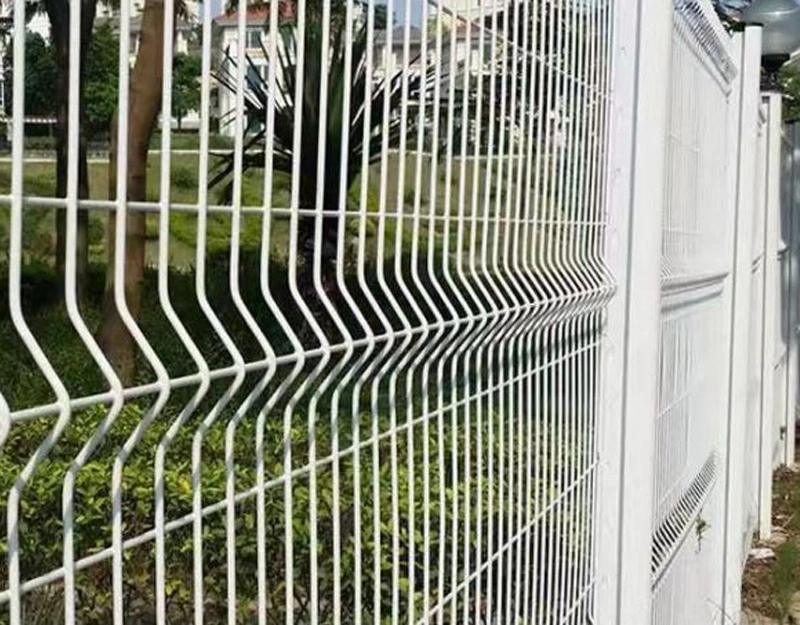
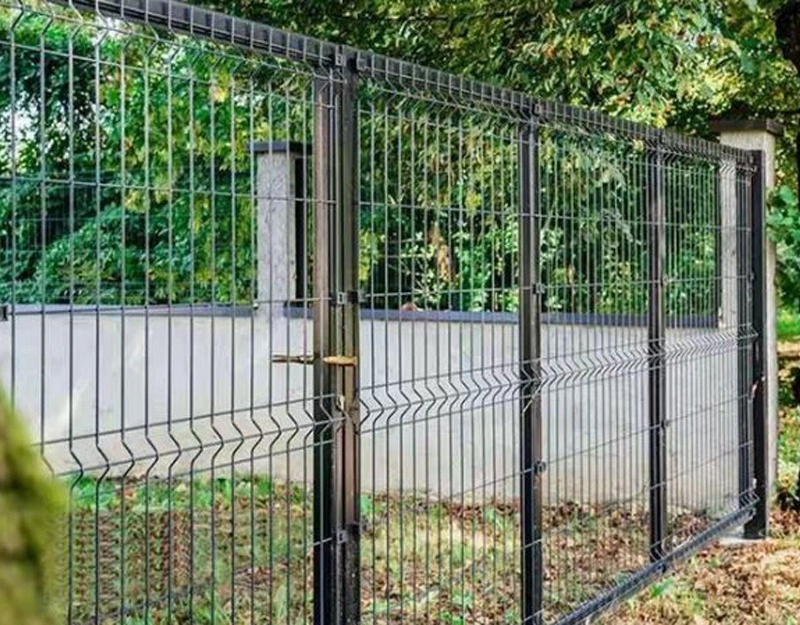
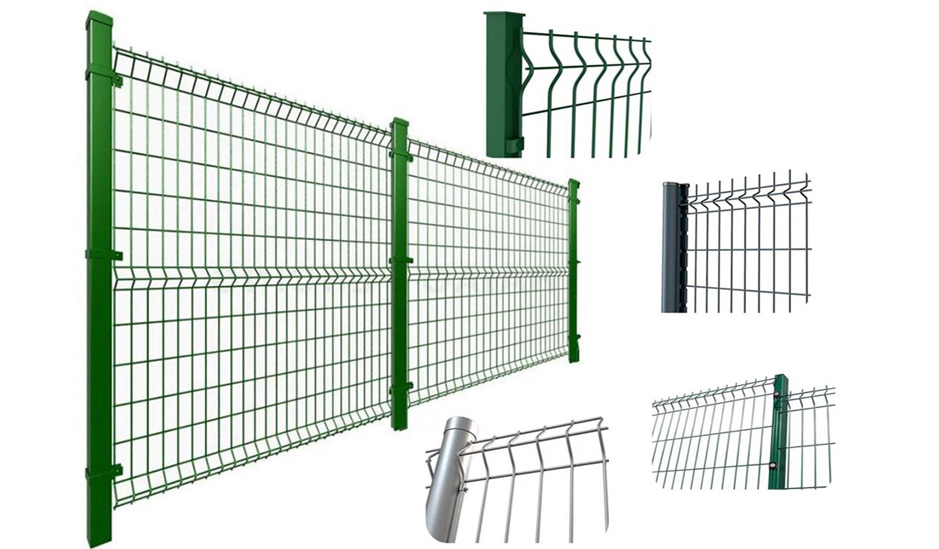
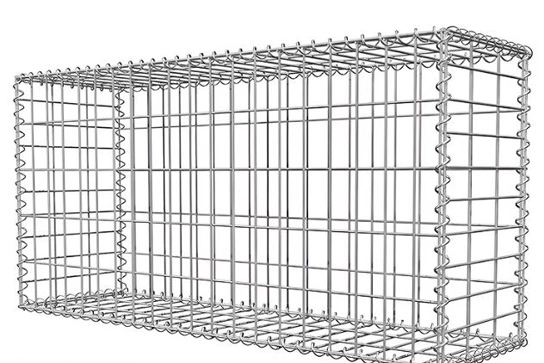
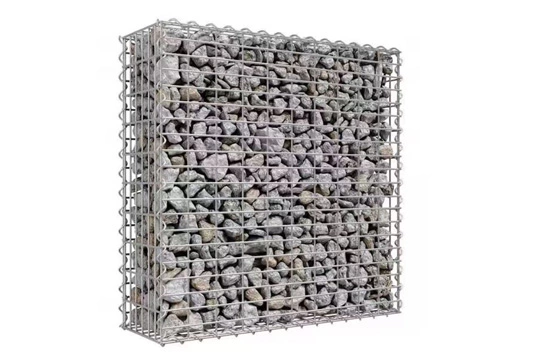
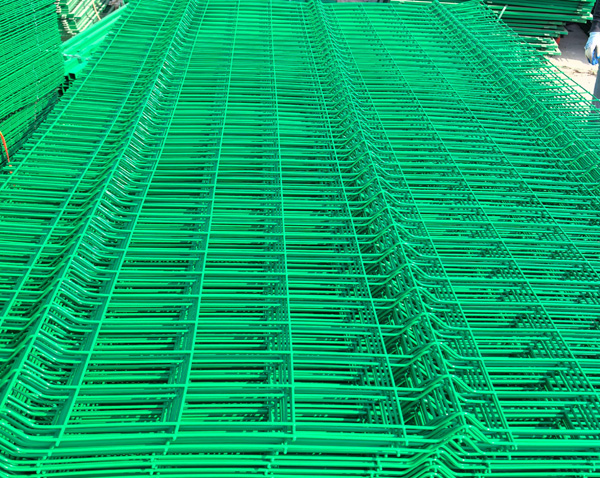
Beyond its functional roles, wire mesh also contributes to the aesthetic and architectural aspects of infrastructure projects. In urban settings, for instance, wire mesh can be used to construct retaining walls, fences, and facades that not only provide necessary structural support but also add a unique visual appeal to the landscape. The material's flexibility in design, combined with its durability and low maintenance requirements, makes it a popular option among architects and engineers looking to balance functionality with aesthetics. Furthermore, in restoration and rehabilitation works, wire mesh can be employed to reinforce existing structures, extending their lifespan while preserving their historical or cultural significance.
In conclusion, the integration of wire mesh into modern infrastructure projects represents a significant advancement in the field of geosynthetics, offering a range of benefits from improved soil stability and erosion control to enhanced structural support and aesthetic value. As the demand for sustainable and resilient construction solutions continues to grow, the role of wire mesh in meeting these needs will undoubtedly expand, making it an indispensable tool for engineers and designers alike.
Leave a Reply