

 English
 China
China Thailand
 Malaysia
 Vietnam
 Laos
Laos Cambodia
 Pilipinas
 Indonesia
 Russian
 Portuguese
 Arabic
 Japanese
 Spanish
 Italian
 French
 German
News
- Home
- News
- Company News
wire mesh, a versatile and robust material, plays an essential role in enhancing the safety of workshops. This technical report explores how wire mesh can be effectively utilized to maximize safety in various workshop environments. From protecting workers against flying debris to providing secure storage solutions, wire mesh offers a range of benefits that contribute to a safer and more efficient workspace. The report delves into the specific applications of wire mesh, its advantages over other materials, and best practices for installation and maintenance. By understanding the multifaceted uses of wire mesh, workshop managers can significantly reduce the risk of accidents and create a more secure working environment.
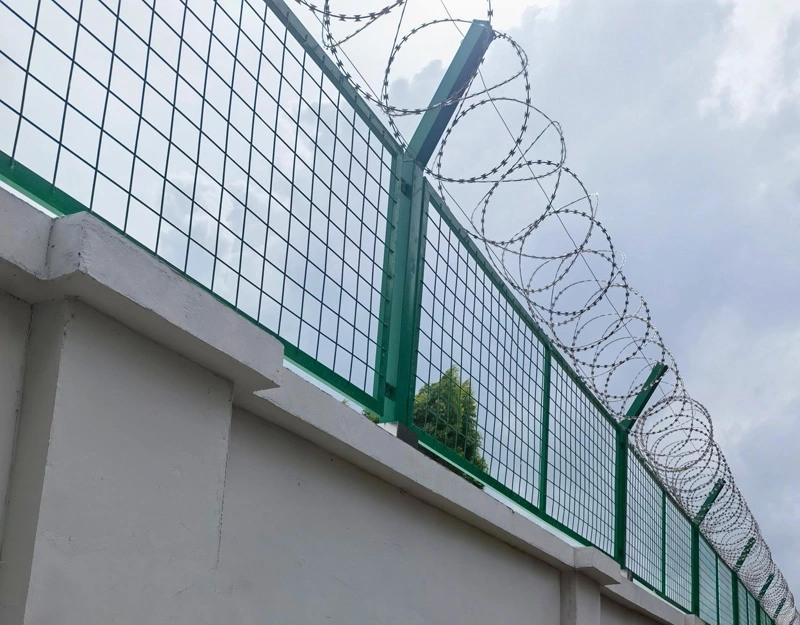
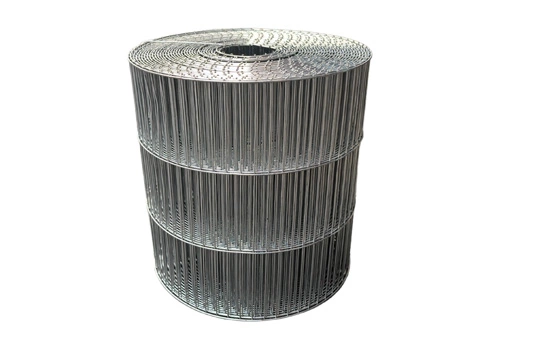
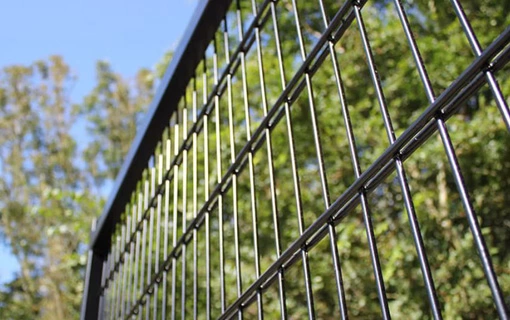
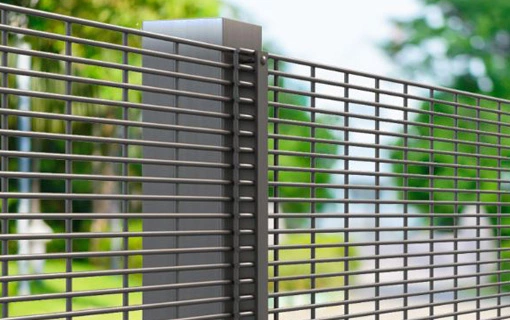
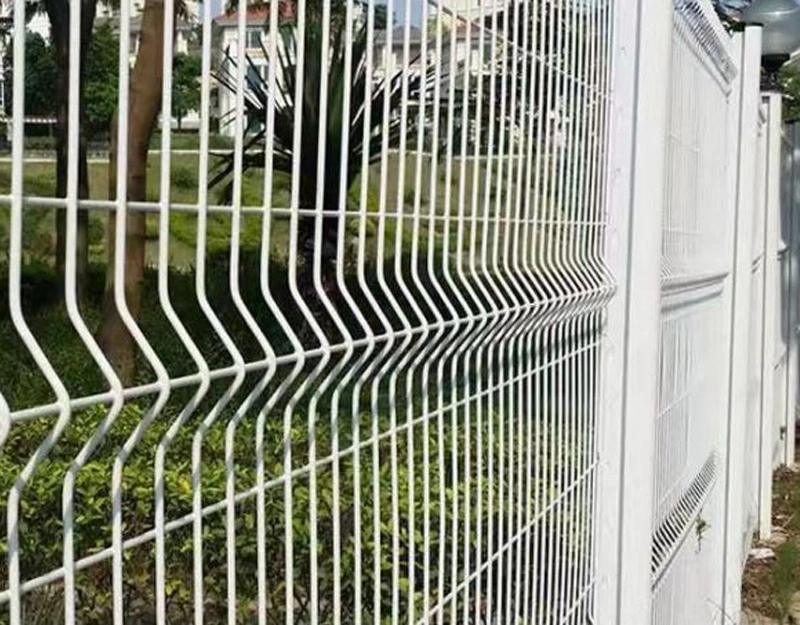
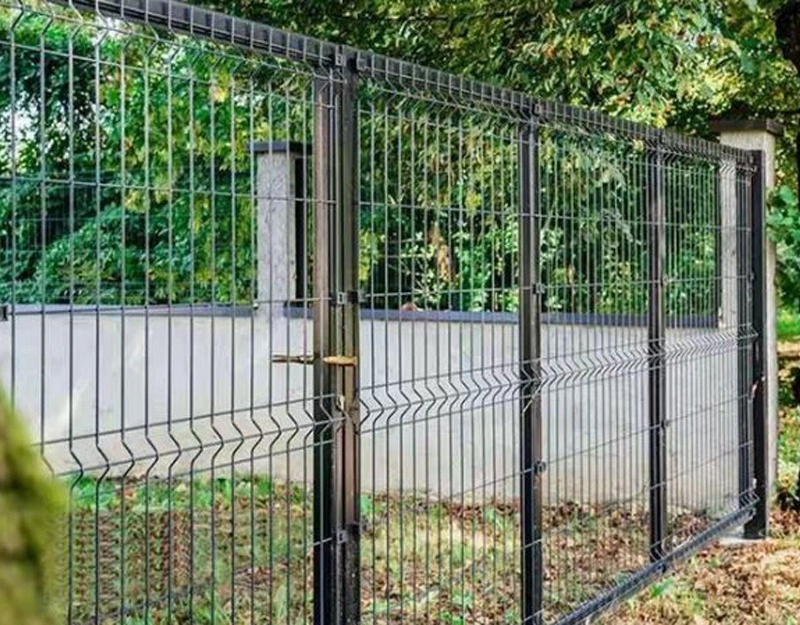
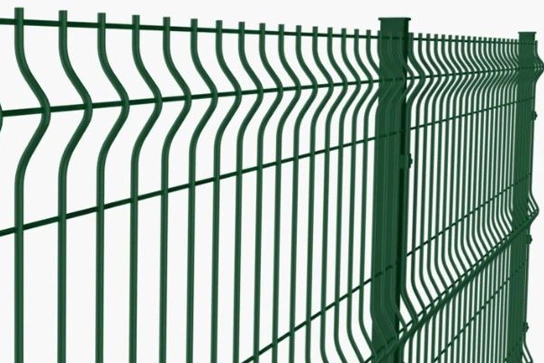
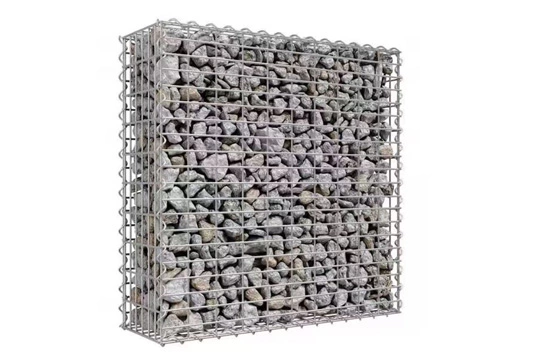
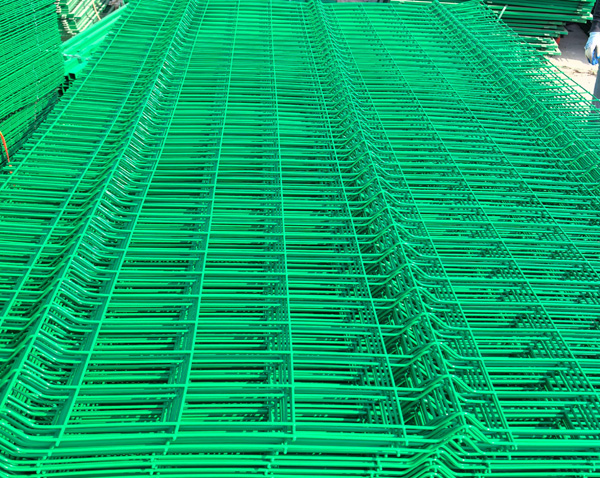
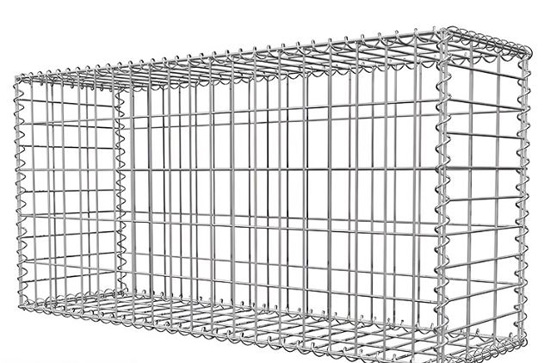
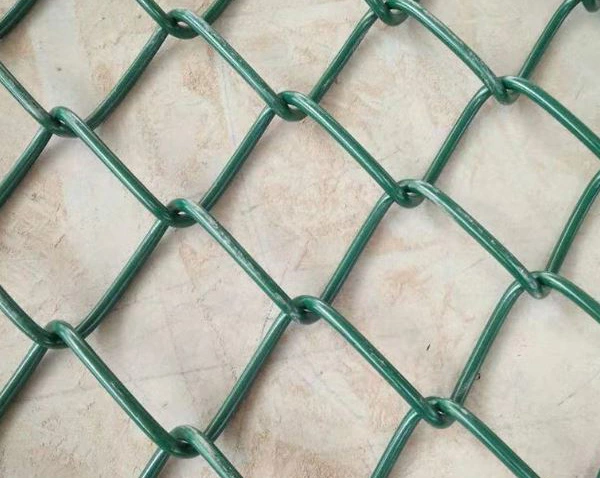
Wire mesh comes in various types, each designed for specific applications. Common types include welded wire mesh, woven wire mesh, and expanded metal. Welded wire mesh is created by welding intersecting wires, making it highly durable and resistant to deformation. Woven wire mesh, on the other hand, is made by weaving wires together, offering flexibility and a finer mesh size. Expanded metal is created by slitting and stretching a solid sheet of metal, resulting in a diamond-shaped pattern with high strength and rigidity. Each type of wire mesh has its unique properties, making it suitable for different safety requirements in workshops.
Wire mesh is widely used in workshops to enhance safety in multiple ways. One of the primary applications is as a protective barrier. It can be installed around machinery to prevent workers from coming into contact with moving parts, reducing the risk of injuries. Additionally, wire mesh can be used to create enclosures for hazardous materials, ensuring they are stored safely and securely. Another application is in the form of guardrails, which can be installed along walkways and edges to prevent falls and provide a physical barrier. These diverse applications highlight the versatility of wire mesh in promoting a safe working environment.
One of the key advantages of wire mesh is its exceptional strength and durability. Unlike other materials such as plastic or wood, wire mesh can withstand heavy loads and resist deformation, making it ideal for use in industrial settings. Its high tensile strength ensures that it can handle the rigors of daily use without breaking or wearing down. This durability translates into a longer lifespan, reducing the need for frequent replacements and maintenance. In addition, wire mesh is resistant to corrosion, which further enhances its longevity and makes it suitable for use in harsh environments.
Wire mesh is also a cost-effective solution for workshop safety. Compared to other materials, it is relatively inexpensive to purchase and install. The initial investment in wire mesh is often offset by its long-term durability and low maintenance requirements. Regular cleaning and occasional inspections are usually sufficient to keep wire mesh in good condition. This minimal maintenance not only saves time and resources but also ensures that the wire mesh remains effective in its safety functions. Furthermore, the ease of installation and customization allows for quick and efficient setup, minimizing downtime and disruptions in the workshop.
To ensure the effectiveness of wire mesh in workshop safety, proper installation is crucial. The first step is to assess the specific safety needs of the workshop and choose the appropriate type and gauge of wire mesh. For example, areas with high traffic or exposure to heavy machinery may require a thicker gauge and more robust wire mesh. Once the right material is selected, it should be installed using appropriate fasteners and supports. Proper anchoring is essential to prevent the wire mesh from becoming loose or dislodged. Additionally, it is important to ensure that the wire mesh is securely attached to the surrounding structures, such as walls or floors, to provide a stable and reliable barrier.
Regular maintenance and inspection are vital to ensure the continued performance of wire mesh. A routine inspection should be conducted at least once a month to check for any signs of wear, damage, or corrosion. Any issues identified during the inspection should be addressed promptly to prevent further deterioration. Cleaning the wire mesh regularly with a mild detergent and water can help remove dirt, dust, and other contaminants that may accumulate over time. In addition, it is important to train workshop personnel on the proper use and care of wire mesh, including how to identify and report any potential issues. By following these best practices, workshop managers can ensure that their wire mesh installations remain effective and reliable for years to come.
In a large manufacturing plant, wire mesh was implemented to enhance worker safety and improve overall operational efficiency. The plant installed welded wire mesh barriers around high-risk machinery, such as conveyor belts and cutting machines, to prevent accidental contact with moving parts. Additionally, wire mesh enclosures were used to store hazardous chemicals and materials, ensuring they were securely contained and easily accessible only to authorized personnel. The implementation of wire mesh led to a significant reduction in workplace accidents and injuries, as well as improved compliance with safety regulations. The plant also reported a decrease in maintenance costs and an increase in productivity, as the wire mesh provided a reliable and long-lasting solution.
An automotive repair shop adopted wire mesh to address several safety concerns, including the storage of tools and equipment and the protection of workers from falling objects. The shop installed wire mesh shelving units to organize and store tools, ensuring they were easily accessible and securely held in place. This not only reduced the risk of tools falling and causing injuries but also improved the overall organization and efficiency of the workshop. Additionally, wire mesh was used to create overhead guards above workstations, providing a physical barrier to protect workers from falling objects. The shop reported a 30% reduction in tool-related accidents and a 20% increase in productivity, as the wire mesh solutions streamlined operations and enhanced safety.
Compliance with safety regulations is a critical aspect of workshop management. Wire mesh can help workshops meet and exceed regulatory standards, ensuring a safe and compliant working environment. For example, OSHA (Occupational Safety and Health Administration) regulations require the use of physical barriers to protect workers from hazards. Wire mesh can be used to create these barriers, meeting the required standards for height, strength, and visibility. Additionally, wire mesh can be used to comply with fire safety regulations by creating fire-resistant enclosures and partitions. By incorporating wire mesh into their safety protocols, workshops can demonstrate their commitment to regulatory compliance and create a safer workplace for all employees.
Adhering to industry best practices is essential for maintaining a high level of safety in workshops. Wire mesh is widely recognized as a best practice for various safety applications. For instance, the American National Standards Institute (ANSI) recommends the use of wire mesh for machine guarding and fall protection. These guidelines provide detailed specifications for the design, installation, and maintenance of wire mesh, ensuring that it meets the necessary safety standards. By following these best practices, workshops can ensure that their wire mesh installations are effective, reliable, and in line with industry standards. This not only enhances safety but also builds trust and credibility with clients and stakeholders.
Advancements in material science are driving innovation in wire mesh technology. New materials and manufacturing processes are being developed to create wire mesh with enhanced properties, such as increased strength, flexibility, and resistance to environmental factors. For example, the development of high-strength alloys and coatings is leading to the creation of wire mesh that is more durable and resistant to corrosion. These advancements are expanding the applications of wire mesh and making it even more effective in promoting workshop safety. As material science continues to evolve, we can expect to see even more innovative and high-performance wire mesh solutions in the future.
The integration of wire mesh with smart technologies is another exciting trend in the field. Smart sensors and monitoring systems can be embedded in wire mesh to provide real-time data on its condition and performance. For example, sensors can detect when the wire mesh is damaged or weakened, alerting workshop managers to the need for maintenance or replacement. This proactive approach to maintenance can help prevent accidents and ensure that the wire mesh remains in optimal condition. Additionally, smart technologies can be used to monitor the environment around the wire mesh, such as temperature and humidity, to ensure that it is operating within safe parameters. By leveraging these technological advancements, workshops can further enhance their safety measures and create a more intelligent and responsive working environment.



Leave a Reply