

 English
 China
China Russian
 Portuguese
 Arabic
 Japanese
 Spanish
 Italian
 French
 German
News
- Home
- News
- Company News
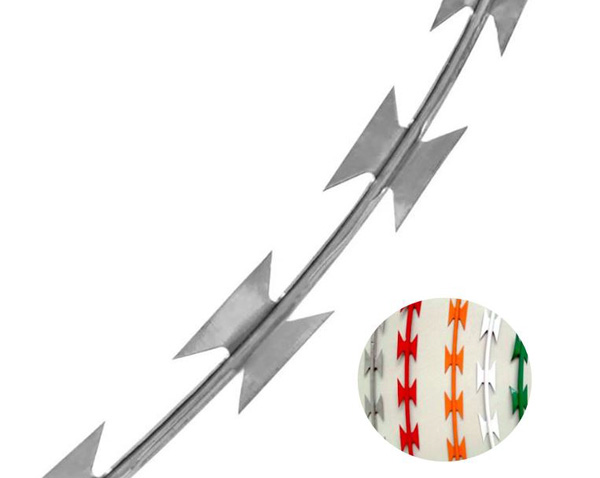
wire mesh, a versatile and durable material, has become an increasingly popular choice for enhancing the structural integrity of modern architectural facades. This technical report explores how wire mesh contributes to the overall strength, aesthetics, and functionality of contemporary building designs. By examining several key aspects, this report aims to provide a comprehensive understanding of the benefits that wire mesh offers in the context of architectural applications.
One of the primary advantages of using wire mesh in architectural facades is its ability to reinforce the structure. Wire mesh can be integrated into the facade system to distribute loads more evenly across the surface, thereby reducing stress concentrations. This is particularly beneficial in areas prone to seismic activity or high winds, where the additional reinforcement provided by wire mesh can significantly enhance the building's resistance to external forces. The flexibility of wire mesh allows it to conform to various shapes and sizes, making it a versatile solution for both new constructions and retrofit projects.
Beyond its structural benefits, wire mesh also offers a wide range of aesthetic possibilities. Architects and designers can choose from a variety of wire mesh patterns, colors, and finishes to create unique and visually appealing facades. For example, a fine, tightly woven wire mesh can provide a sleek, modern look, while a more open, coarser mesh can add a sense of texture and depth. Additionally, wire mesh can be used to create dynamic visual effects, such as changing light patterns throughout the day, which can transform the appearance of the building and enhance its overall aesthetic appeal.
Wire mesh also plays a crucial role in improving the environmental performance of buildings. By acting as a shading device, wire mesh can reduce the amount of direct sunlight entering the building, thereby lowering the heat gain and reducing the need for air conditioning. This not only helps to reduce energy consumption but also enhances the comfort of the occupants. Furthermore, wire mesh can be designed to allow for natural ventilation, which can further contribute to the building's energy efficiency. The use of wire mesh in this way aligns with sustainable design principles and can help buildings achieve higher levels of green certification.
The durability of wire mesh is another significant advantage in architectural applications. Made from materials such as stainless steel, aluminum, or galvanized steel, wire mesh is highly resistant to corrosion and weathering. This makes it an ideal choice for facades that are exposed to harsh environmental conditions. Additionally, wire mesh requires minimal maintenance, as it does not easily accumulate dirt or debris. Regular cleaning can be performed with simple water and mild detergent, making it a cost-effective and low-maintenance solution for long-term use.
Wire mesh can be seamlessly integrated with other building systems, such as lighting, signage, and security features. For instance, LED lights can be embedded within the wire mesh to create illuminated facades that are both functional and visually striking. Similarly, wire mesh can be used to support signage and branding elements, providing a cohesive and integrated look. In terms of security, wire mesh can act as a physical barrier, deterring unauthorized access and vandalism. This multifunctional nature of wire mesh makes it a valuable component in the overall design and functionality of modern architectural facades.
In conclusion, wire mesh is a highly effective and versatile material for enhancing the structural integrity, aesthetics, and performance of modern architectural facades. Its ability to provide structural reinforcement, aesthetic flexibility, environmental benefits, durability, and integration with other building systems makes it an indispensable tool for architects and engineers. As the demand for sustainable and innovative building solutions continues to grow, the use of wire mesh in architectural facades is likely to become even more prevalent, contributing to the creation of more resilient and visually appealing structures.
Leave a Reply