

 English
 China
China Thailand
 Malaysia
 Vietnam
 Laos
Laos Cambodia
 Pilipinas
 Indonesia
 Russian
 Portuguese
 Arabic
 Japanese
 Spanish
 Italian
 French
 German
News
- Home
- News
- Company News
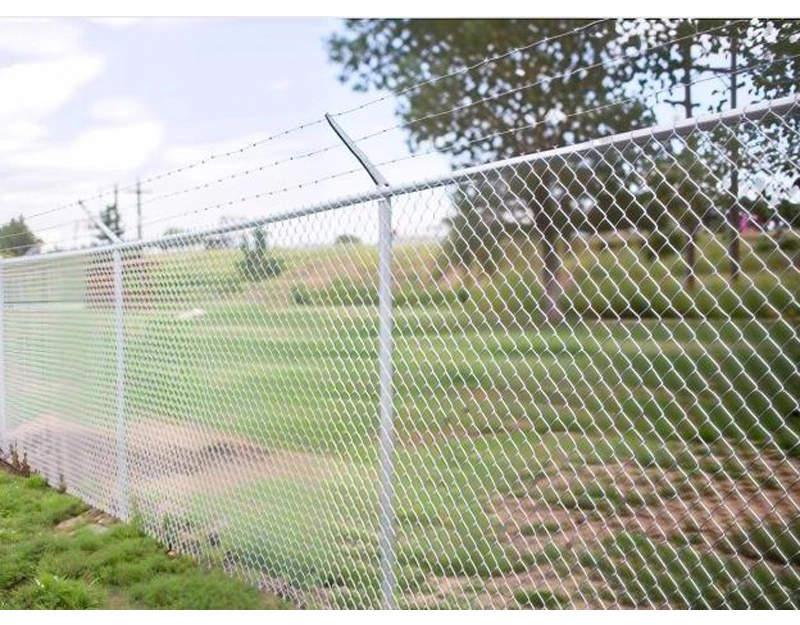
Anti climb fence fittings play a crucial role in enhancing the security of residential, commercial, and industrial properties. These components are designed to prevent unauthorized access by making it difficult for intruders to scale or penetrate the fence. However, like any other security system, they require regular maintenance to ensure their effectiveness and longevity. This technical report provides detailed maintenance tips aimed at extending the lifespan of anti climb fence fittings.
Before delving into the maintenance practices, it's essential to understand the key components that make up anti climb fence fittings. These typically include:
Each of these components plays a critical role in the overall functionality and longevity of the anti climb fence fittings. Regular inspection and maintenance of these parts are essential to keep the fence in optimal condition.
One of the most fundamental aspects of maintaining anti climb fence fittings is conducting regular inspections and cleaning. This ensures that any potential issues are identified and addressed promptly, preventing minor problems from escalating into major ones.
Inspection Schedule: It is recommended to inspect the fence fittings at least once every three months. During the inspection, look for signs of wear and tear, such as rust, loose screws, or damaged brackets. Pay special attention to areas that are more exposed to the elements, such as the top of the fence where spikes and barbs are located.
Cleaning Process: To clean the fence fittings, use a soft brush or cloth to remove any dirt, debris, or bird droppings. For stubborn stains, a mild detergent and water solution can be used. Avoid using abrasive materials or harsh chemicals, as these can damage the protective coatings and finishes.
Regular inspection and cleaning not only help maintain the aesthetic appeal of the fence but also ensure that the anti climb features remain effective. By keeping the fittings clean and free from debris, you can extend their lifespan and reduce the need for costly repairs or replacements.
Corrosion and rust are common enemies of metal components, including anti climb fence fittings. These issues can weaken the structural integrity of the fence and compromise its security. Therefore, it is crucial to take proactive measures to prevent corrosion and rust.
Protective Coatings: Ensure that all metal parts of the fence fittings are coated with a high-quality, weather-resistant finish. This coating acts as a barrier against moisture and other corrosive elements. If you notice any chipped or worn areas, touch them up with a suitable paint or sealant to prevent rust from forming.
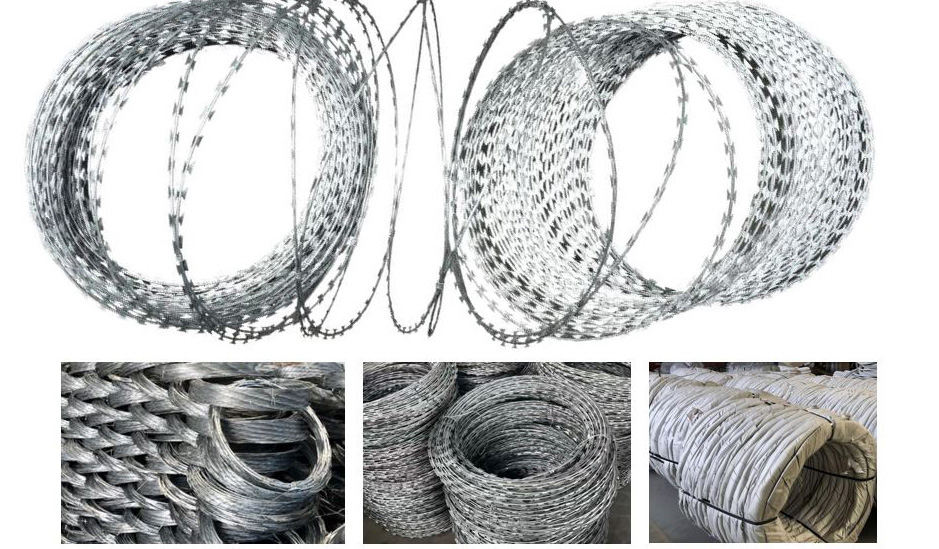
Galvanized Components: Consider using galvanized steel for the spikes, barbs, and other metal components. Galvanization involves coating the metal with a layer of zinc, which provides excellent protection against corrosion. Galvanized components are more durable and require less frequent maintenance compared to non-galvanized ones.
Proper Drainage: Ensure that the area around the fence is well-drained to prevent water accumulation. Standing water can accelerate the corrosion process, especially in areas with high humidity or frequent rainfall. Installing proper drainage systems, such as French drains or grading the soil away from the fence, can help mitigate this issue.
By implementing these preventive measures, you can significantly reduce the risk of corrosion and rust, thereby extending the life of your anti climb fence fittings.
Over time, the components of anti climb fence fittings may become loose due to various factors, such as wind, temperature changes, and physical stress. Loose components can compromise the security of the fence and make it easier for intruders to gain access. Therefore, it is important to regularly check and tighten any loose screws, brackets, or mounts.
Tools and Equipment: To perform this task, you will need a set of appropriate tools, such as a screwdriver, wrench, and pliers. Make sure to use the correct tools to avoid damaging the components. If you find any damaged or severely worn parts, replace them immediately. Using high-quality replacement parts that match the original specifications is crucial to maintain the fence's integrity.
Professional Assistance: In some cases, it may be necessary to seek professional assistance, especially if the fence is large or complex. A professional can provide expert advice and ensure that the fittings are properly installed and secured. Additionally, they can identify any underlying issues that may not be apparent during a routine inspection.
Regularly tightening and replacing loose or damaged components is a simple yet effective way to maintain the security and longevity of your anti climb fence fittings. By keeping the fence in good condition, you can ensure that it continues to provide the necessary protection for your property.
The environment in which the anti climb fence fittings are installed can have a significant impact on their longevity. Factors such as climate, vegetation, and wildlife can all affect the condition of the fence. Therefore, it is important to address these environmental factors to ensure the fittings remain in optimal condition.
Climate Considerations: Different climates present unique challenges for fence fittings. In coastal areas, salt spray can accelerate corrosion, while in regions with extreme temperatures, thermal expansion and contraction can cause stress on the components. To mitigate these effects, choose fittings that are specifically designed for the local climate. For example, marine-grade stainless steel is highly resistant to saltwater corrosion and is ideal for coastal environments.
Vegetation Management: Overgrown vegetation, such as vines and trees, can put additional strain on the fence and interfere with the anti climb features. Regularly trim back any plants that are growing too close to the fence. This not only helps to maintain the fence's appearance but also prevents damage from branches and roots. Additionally, keep the area around the fence clear of debris and fallen leaves, as these can trap moisture and promote corrosion.
Wildlife Interactions: Wildlife, such as birds and small animals, can also impact the condition of the fence. Birds may nest in or around the fence, leading to the accumulation of droppings and debris. Small animals, such as rodents, may chew on or burrow under the fence, causing damage. To minimize these interactions, consider installing deterrents, such as bird spikes or wire mesh, and regularly inspect the fence for signs of animal activity.
By addressing these environmental factors, you can create a more resilient and long-lasting anti climb fence. Proper management of the surrounding environment ensures that the fence remains in good condition and continues to provide the necessary security for your property.
Maintaining anti climb fence fittings is a crucial aspect of ensuring the security and longevity of your fence. By understanding the components, conducting regular inspections and cleaning, preventing corrosion and rust, tightening and replacing loose or damaged parts, and addressing environmental factors, you can significantly extend the lifespan of your fence. These maintenance practices not only help to keep the fence in optimal condition but also ensure that it continues to provide the necessary protection for your property. Investing time and effort into the maintenance of your anti climb fence fittings is a worthwhile endeavor that pays off in the long run.

Leave a Reply