

 English
 China
China Thailand
 Malaysia
 Vietnam
 Laos
Laos Cambodia
 Pilipinas
 Indonesia
 Russian
 Portuguese
 Arabic
 Japanese
 Spanish
 Italian
 French
 German
News
- Home
- News
- Company News
Anti climb fence fittings play a crucial role in enhancing the security of residential, commercial, and industrial properties. These fittings are designed to prevent unauthorized access by making it extremely difficult for intruders to scale or bypass fences. This comprehensive guide will walk you through the process of installing anti-climb fence fittings, ensuring that your property is well-protected.
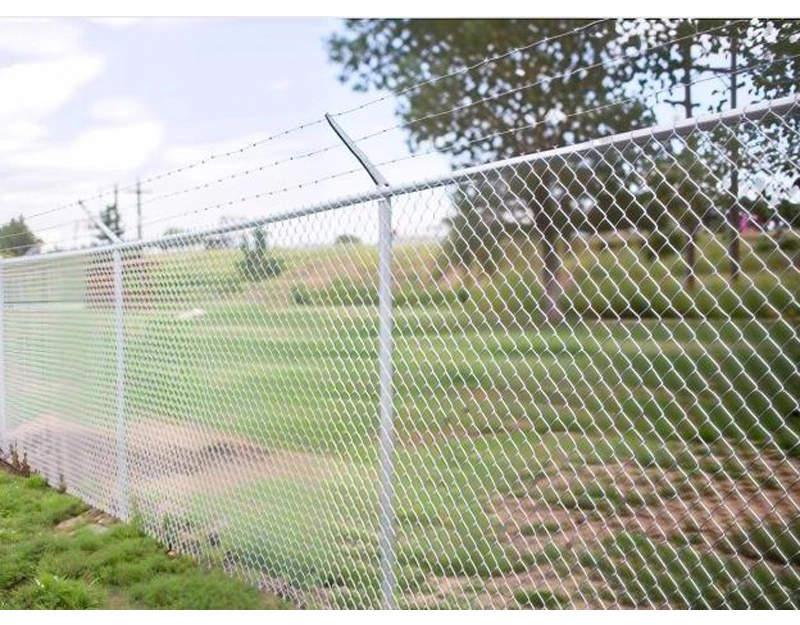
The primary purpose of Anti climb fence fittings is to deter potential intruders from scaling or climbing over fences. These fittings are typically installed on top of existing fences, creating an additional layer of security. They come in various forms, including spikes, rollers, and barriers, each designed to provide a different level of protection. By understanding the importance of these fittings, property owners can make informed decisions about the type of fittings that best suit their needs.
One of the key benefits of anti climb fence fittings is their ability to act as a visual deterrent. The presence of these fittings sends a clear message to potential intruders that the property is well-secured and that any attempt to breach the fence will be met with significant difficulty. Additionally, these fittings can complement other security measures, such as surveillance cameras and alarm systems, to create a multi-layered security approach.
Choosing the right type of anti climb fence fittings is essential for maximizing the security of your property. There are several options available, each with its own advantages and considerations. Here are some of the most common types:
When selecting the right type of anti climb fence fittings, it is important to consider factors such as the height and material of the existing fence, the level of security required, and the budget. Consulting with a security professional can also help ensure that the chosen fittings are appropriate for the specific needs of the property.
Proper preparation is key to a successful installation of anti climb fence fittings. Before beginning the installation process, it is important to gather all the necessary tools and materials. This may include:
Once you have gathered all the necessary tools and materials, the next step is to measure the length of the fence where the fittings will be installed. This will help you determine the number of fittings needed and ensure that they are evenly spaced. It is also a good idea to inspect the fence for any damage or weaknesses that may need to be addressed before installing the fittings.
Additionally, it is important to check local regulations and guidelines regarding the installation of anti climb fence fittings. Some areas may have specific requirements or restrictions, so it is advisable to consult with local authorities or a security professional to ensure compliance.
The installation process for anti climb fence fittings can vary depending on the type of fittings being used. However, the general steps remain similar. Here is a step-by-step guide to installing anti climb fence fittings:
By following these steps, you can successfully install anti climb fence fittings and enhance the security of your property. Remember to take safety precautions during the installation process, such as wearing gloves and safety glasses, and using a ladder or step stool to reach high areas.
While the installation of anti climb fence fittings is a critical step in enhancing the security of your property, regular maintenance is equally important. Over time, the fittings may become worn or damaged due to exposure to the elements, such as rain, wind, and sun. Regular maintenance and inspection can help identify and address any issues before they compromise the security of the fence.
To maintain the effectiveness of the anti climb fence fittings, it is recommended to perform the following tasks:
By following these maintenance tips, you can ensure that the anti climb fence fittings continue to provide reliable security for your property. Regular maintenance not only helps to prevent potential security breaches but also extends the lifespan of the fittings, providing long-term value and protection.
In conclusion, anti climb fence fittings are an essential component of any comprehensive security strategy. By understanding the importance of these fittings, selecting the right type, preparing for installation, and following a step-by-step installation process, you can significantly enhance the security of your property. Additionally, regular maintenance and inspection are crucial for ensuring the long-term effectiveness of the fittings. With the right approach, anti climb fence fittings can provide peace of mind and a robust defense against unauthorized access.


Leave a Reply