How to Choose the Right Anti Climb Fence Fittings for Your Property
Ensuring the security of your property is paramount, and one effective way to achieve this is through the installation of anti-climb fence fittings. These fittings are designed to prevent unauthorized access by making it extremely difficult for intruders to scale the fence. However, with a wide variety of options available, choosing the right anti-climb fence fittings can be a daunting task. This technical report aims to guide you through the process, ensuring that you select the most suitable fittings for your specific needs.
Understanding the Different Types of Anti-Climb Fence Fittings
Anti-climb fence fittings come in various forms, each with its own unique features and benefits. The primary types include:
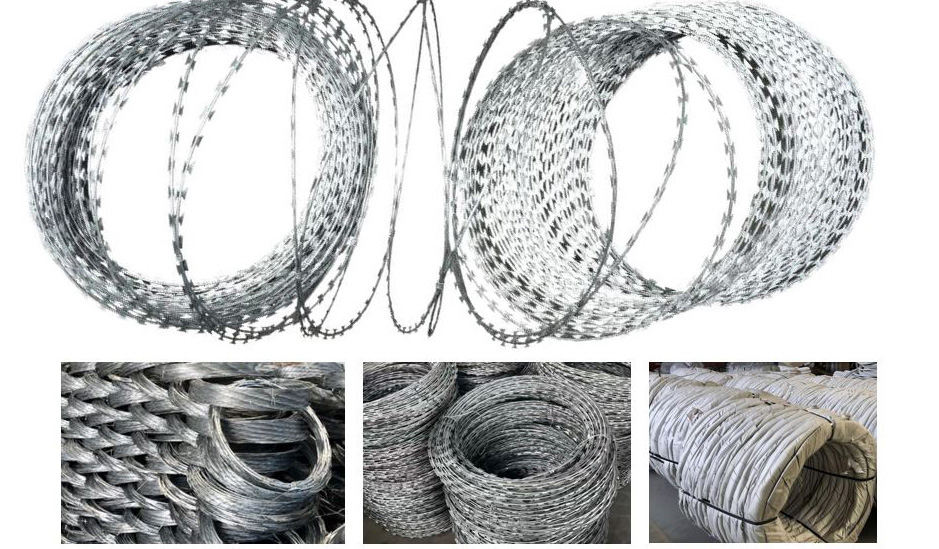
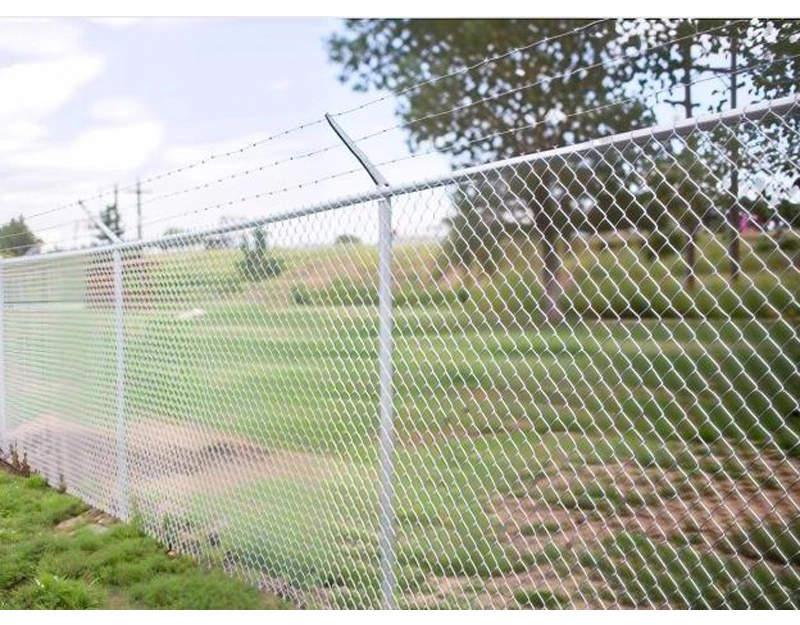
- barbed wire: One of the most common and cost-effective options, barbed wire is easy to install and provides a strong deterrent against climbers. It is typically made from galvanized steel, which enhances durability and resistance to corrosion.
- Spiked Strips: These strips are attached to the top of fences and walls, featuring sharp spikes that make climbing nearly impossible. They are often used in conjunction with other security measures and can be made from materials such as stainless steel or plastic.
- Anti-Climb Paint: A less conventional option, anti-climb paint is a non-drying, slippery substance that makes it difficult for intruders to gain a foothold. It is particularly useful for flat surfaces and can be an effective deterrent when combined with other security measures.
- Rotational Barriers: These are rotating arms or rollers that are mounted on the top of fences. When an intruder attempts to climb, the barrier rotates, making it difficult to maintain a grip. Rotational barriers are highly effective and provide a visually intimidating presence.
Understanding the different types of anti-climb fence fittings is the first step in making an informed decision. Each type has its strengths and weaknesses, and the choice will depend on factors such as the nature of your property, budget, and specific security requirements.
Evaluating Your Security Needs
Before selecting anti-climb fence fittings, it is essential to conduct a thorough evaluation of your property's security needs. This involves considering several key factors:
- Risk Assessment: Identify the potential threats to your property. Are you located in a high-crime area? Do you have valuable assets that need protection? Understanding the level of risk will help you determine the appropriate level of security.
- Property Layout: Consider the layout of your property, including the perimeter, entry points, and any vulnerable areas. Fences may need to be installed at different heights or with additional reinforcements in certain areas.
- Regulatory Compliance: Check local regulations and building codes to ensure that the chosen anti-climb fence fittings comply with all legal requirements. Some areas have restrictions on the use of barbed wire or spiked strips, so it is important to be aware of these limitations.
- Budget Constraints: Determine your budget for the project. While some options, like barbed wire, are relatively inexpensive, others, such as rotational barriers, can be more costly. Balancing security needs with budget constraints is crucial.
By carefully evaluating your security needs, you can narrow down the options and choose the most effective anti-climb fence fittings for your property.
Installation and Maintenance Considerations
Proper installation and maintenance are critical to the effectiveness and longevity of anti-climb fence fittings. Here are some key considerations:
- Professional Installation: While some fittings, like barbed wire, can be installed by homeowners, others require professional installation. For example, rotational barriers and spiked strips often need specialized tools and expertise to ensure they are securely mounted and function correctly.
- Material Quality: Choose high-quality materials that are durable and resistant to weathering. Galvanized steel, stainless steel, and UV-resistant plastics are excellent choices for long-lasting performance.
- Regular Inspections: Regularly inspect the fence and fittings for signs of wear, damage, or rust. Address any issues promptly to maintain the integrity of the security system. This includes checking for loose or damaged sections, reapplying anti-climb paint if necessary, and replacing worn components.
- Safety Precautions: Ensure that the chosen fittings do not pose a safety risk to authorized personnel or visitors. For example, barbed wire should be positioned in a way that it does not endanger those who are allowed to be on the property. Additionally, consider using warning signs to alert individuals to the presence of anti-climb measures.
By following these installation and maintenance guidelines, you can ensure that your anti-climb fence fittings remain effective and reliable over time.
Integrating with Other Security Measures
While anti-climb fence fittings are a powerful deterrent, they are most effective when integrated with other security measures. A comprehensive security strategy may include:
- CCTV Surveillance: Install CCTV cameras to monitor the perimeter and entry points. This not only deters potential intruders but also provides evidence in case of a security breach.
- Intrusion Detection Systems: Use sensors and alarms to detect and alert you to any unauthorized access. These systems can be linked to your smartphone or a monitoring service for real-time alerts.
- Access Control Systems: Implement access control measures, such as electronic gates and keycard entry, to restrict entry to authorized personnel only. This adds an additional layer of security and helps to manage who can enter the property.
- Lighting: Adequate lighting around the perimeter and entry points can deter intruders and improve the visibility of the area. Motion-activated lights are particularly effective as they draw attention to any movement.
By integrating anti-climb fence fittings with these other security measures, you can create a robust and multi-layered security system that provides comprehensive protection for your property.
Conclusion
Choosing the right anti-climb fence fittings is a critical step in enhancing the security of your property. By understanding the different types of fittings, evaluating your security needs, and considering installation and maintenance requirements, you can make an informed decision. Additionally, integrating these fittings with other security measures will further strengthen your overall security strategy. With the right approach, you can effectively protect your property and ensure peace of mind.
Remember, the goal is not just to install anti-climb fence fittings but to create a cohesive and effective security system that addresses all potential vulnerabilities. By following the guidelines outlined in this report, you can achieve this goal and safeguard your property against unauthorized access.


 English
 China
China Thailand
 Malaysia
 Vietnam
 Laos
Laos Cambodia
 Pilipinas
 Indonesia
 Russian
 Portuguese
 Arabic
 Japanese
 Spanish
 Italian
 French
 German


Leave a Reply