

 English
 China
China Thailand
 Malaysia
 Vietnam
 Laos
Laos Cambodia
 Pilipinas
 Indonesia
 Russian
 Portuguese
 Arabic
 Japanese
 Spanish
 Italian
 French
 German
News
- Home
- News
- Company News
Ensuring the proper installation and maintenance of anti climb fence fittings is crucial for maintaining safety standards in various settings, including residential areas, commercial properties, industrial sites, and public spaces. This report will explore several key aspects related to achieving compliance with safety regulations when it comes to anti climb fence fittings. We will delve into material selection, design considerations, and regular inspection protocols, all aimed at enhancing security while meeting legal requirements.
The choice of materials used in constructing Anti climb fence fittings plays a pivotal role in ensuring both durability and effectiveness. High-quality materials not only provide a long-lasting solution but also contribute significantly to the overall safety of the perimeter. Steel and aluminum are two popular choices due to their strength and resistance to corrosion. However, selecting the right material involves more than just considering its inherent qualities; one must also take into account environmental factors such as weather conditions, potential exposure to chemicals, and the specific security needs of the location. For instance, in coastal areas where saltwater can accelerate rusting, using marine-grade stainless steel or specially treated alloys becomes essential. Additionally, coatings that offer extra protection against wear and tear, like powder coating or galvanization, should be considered to extend the lifespan of the fittings and ensure they remain an effective barrier against unauthorized access over time.
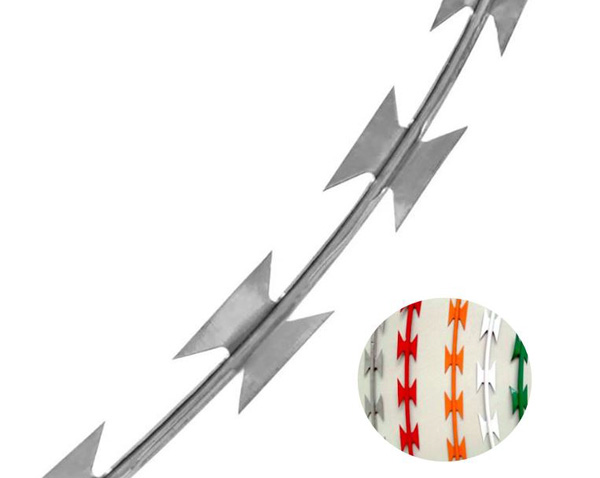
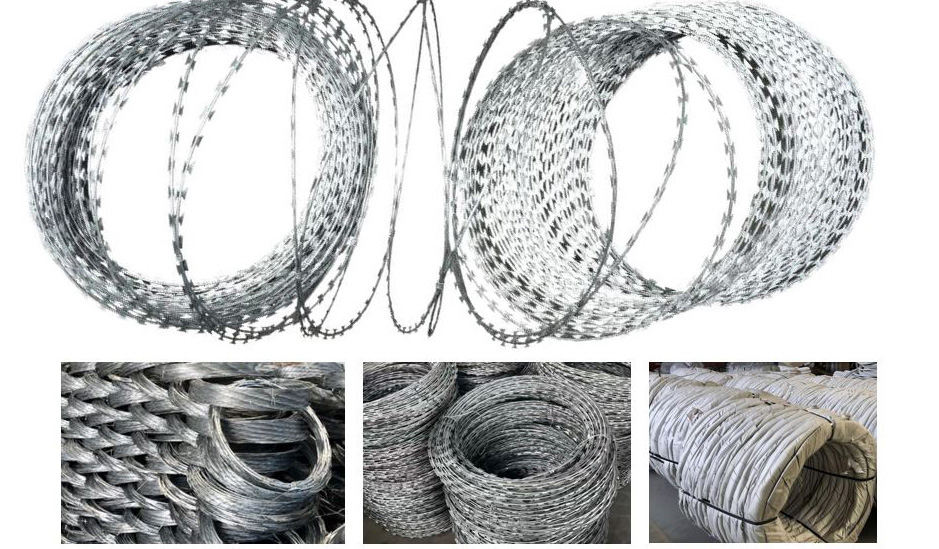
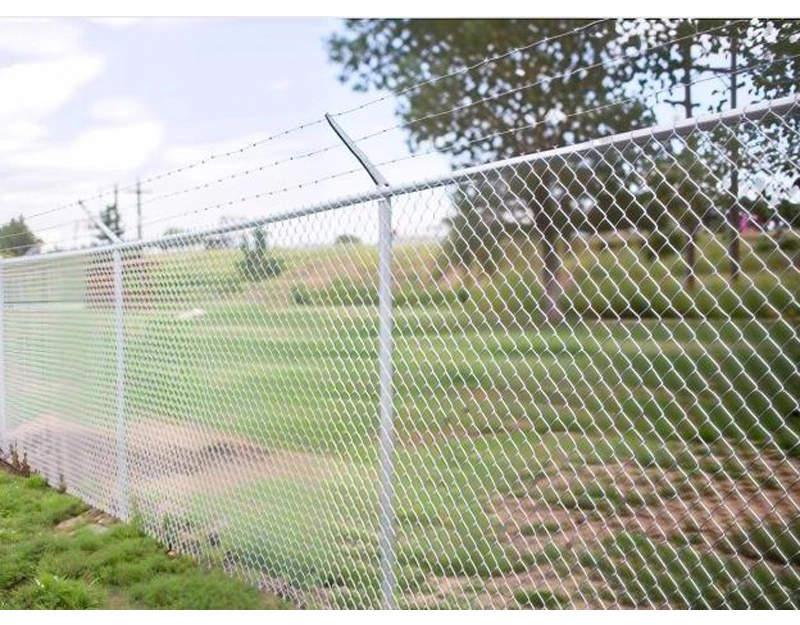
Effective design is another critical component in making sure that anti climb fence fittings meet safety standards. A well-designed system takes into account not only the physical attributes needed to prevent climbing but also integrates seamlessly with the surrounding environment, minimizing visual impact while maximizing functionality. Key design elements include the spacing between vertical bars, which should be narrow enough to prevent footholds or handholds, typically no more than 100mm apart. The height of the fence itself is also important; it should be tall enough to deter would-be intruders, usually recommended to be at least 1.8 meters high, although this may vary based on local regulations and the specific risk assessment of the area. Moreover, incorporating features such as barbed wire tops, spikes, or other anti-climb devices can further enhance the deterrent effect. It's worth noting that these additions must comply with relevant health and safety laws, particularly concerning the risk of injury to those who might come into contact with the fence, either accidentally or intentionally. Therefore, striking a balance between security and safety is paramount during the design phase.
To maintain the integrity and effectiveness of anti climb fence fittings, regular inspections and timely maintenance are indispensable. Over time, even the most robust systems can deteriorate due to natural elements, vandalism, or simple wear and tear. Establishing a routine inspection schedule allows property managers or owners to identify any issues early on, before they compromise the fence’s ability to serve its purpose. During inspections, particular attention should be paid to signs of corrosion, loose components, or damage from impacts. Any identified problems should be addressed promptly through repairs or replacements. Furthermore, keeping records of these inspections and the actions taken in response to findings is beneficial for demonstrating due diligence and compliance with safety standards. In some jurisdictions, there may be specific guidelines regarding how often such checks need to be conducted, so it's important to familiarize oneself with local regulations. By adhering to a proactive maintenance plan, stakeholders can ensure that their anti-climb fences continue to provide reliable protection, thereby contributing to a safer environment for everyone involved.
In conclusion, ensuring compliance with safety standards for anti climb fence fittings requires careful consideration of multiple factors, from material selection and design principles to ongoing maintenance practices. By prioritizing these aspects, organizations and individuals can effectively mitigate risks associated with unauthorized entry, safeguarding assets and people alike. As regulatory frameworks evolve and new technologies emerge, staying informed about best practices and adapting accordingly will remain key to maintaining high levels of security and adherence to legal requirements.

Leave a Reply