

 English
 China
China Thailand
 Malaysia
 Vietnam
 Laos
Laos Cambodia
 Pilipinas
 Indonesia
 Russian
 Portuguese
 Arabic
 Japanese
 Spanish
 Italian
 French
 German
News
- Home
- News
- Company News
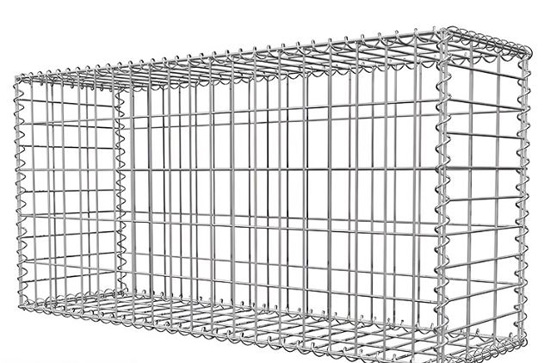
welded gabions, as a variant of traditional gabions, have gained significant attention in the field of civil engineering and landscape architecture due to their enhanced durability and strength. This report aims to provide an in-depth understanding of the characteristics that make welded gabions a preferred choice for various applications, including erosion control, retaining walls, and architectural features.
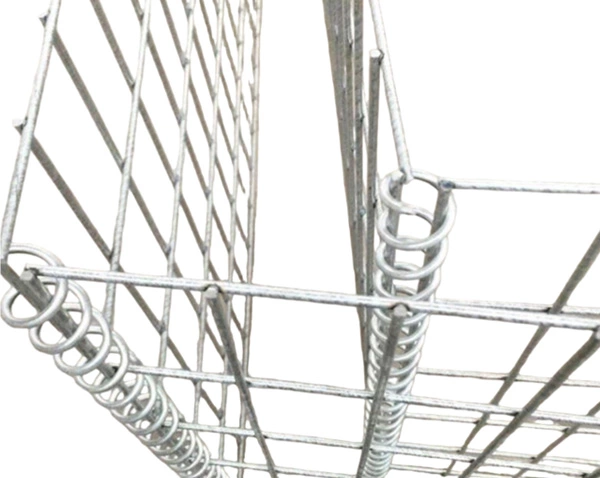
Unlike their conventional counterparts, which are assembled using wire mesh panels connected by spiral or helical binders, welded gabions are fabricated through a process that involves spot welding the intersections of the wires. This method creates a more robust structure, capable of withstanding greater loads and resisting deformation under stress. The primary material used in the construction of these gabions is typically galvanized steel, although other materials such as PVC-coated steel can also be utilized to enhance corrosion resistance in specific environments. The uniformity and precision achieved through the welding process not only improve the structural integrity of the gabion but also contribute to its aesthetic appeal, making it suitable for both functional and decorative purposes.
One of the most notable advantages of welded gabions lies in their superior durability. The use of advanced manufacturing techniques, particularly the application of automated welding processes, ensures consistent quality across all units. This consistency is critical in ensuring that each gabion meets the required standards for strength and longevity. Additionally, the welded connections at the joints significantly reduce the likelihood of failure, even when subjected to extreme conditions such as heavy rainfall, high winds, or seismic activity. Furthermore, the ability to customize the size and shape of the gabions allows for better adaptation to site-specific requirements, thereby enhancing their overall performance and lifespan.
The strength and stability of welded gabions make them ideal for a wide range of applications. In coastal and riverbank protection, they effectively prevent soil erosion by providing a barrier against water currents. When used in the construction of retaining walls, these gabions offer a reliable solution for managing slopes and preventing landslides. Their modular design enables easy installation and adjustment, allowing for the creation of complex structures that can adapt to varying terrain and environmental conditions. Moreover, the open-cell nature of the gabions promotes natural vegetation growth, which further enhances their stability and blends seamlessly with the surrounding landscape. This feature is particularly beneficial in urban settings where green infrastructure is increasingly valued for its ecological and social benefits.
Beyond their technical merits, welded gabions also present several environmental and aesthetic advantages. The use of recycled materials in their production, coupled with the potential for reuse or recycling at the end of their service life, aligns well with sustainable development principles. From an aesthetic standpoint, the clean lines and uniform appearance of welded gabions can complement modern architectural designs while still maintaining a connection to natural elements. This duality makes them a versatile option for projects that seek to balance functionality with visual appeal. Additionally, the ability to fill the gabions with local stone or aggregate not only reduces transportation costs and carbon footprint but also helps to integrate the structure into the local environment, fostering a sense of place and community pride.
Proper maintenance is key to ensuring the longevity of welded gabions. Regular inspections should be conducted to identify any signs of wear, corrosion, or damage. If necessary, repairs can be carried out by replacing individual panels or reinforcing weakened areas. It is also important to ensure that the gabions are properly anchored and supported to prevent movement or collapse over time. By following these maintenance guidelines, the expected lifespan of welded gabions can be significantly extended, offering a cost-effective and reliable solution for long-term projects. Additionally, advancements in coating technologies, such as the use of epoxy or polyurethane coatings, can further enhance the corrosion resistance of the gabions, thereby reducing the need for frequent maintenance and increasing their overall durability.
In conclusion, the durability and strength of welded gabions make them a compelling choice for a variety of civil engineering and landscaping applications. Their advanced construction methods, combined with their environmental and aesthetic benefits, position them as a valuable tool in the pursuit of sustainable and resilient infrastructure. As the demand for innovative and sustainable solutions continues to grow, the role of welded gabions in shaping the future of our built environment is likely to become even more prominent.
Leave a Reply