

 English
 China
China Thailand
 Malaysia
 Vietnam
 Laos
Laos Cambodia
 Pilipinas
 Indonesia
 Russian
 Portuguese
 Arabic
 Japanese
 Spanish
 Italian
 French
 German
News
- Home
- News
- Company News
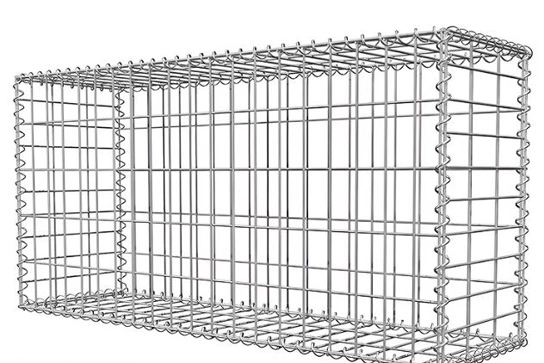
welded gabions, a modern twist on the traditional method of using wire mesh baskets filled with rocks or other materials, have become increasingly popular for erosion control and landscaping projects. This comprehensive guide aims to provide detailed instructions on how to install welded gabions effectively, ensuring long-lasting results and optimal performance in various environmental conditions. By following these guidelines, project managers and engineers can achieve not only aesthetic enhancements but also robust protection against soil erosion.
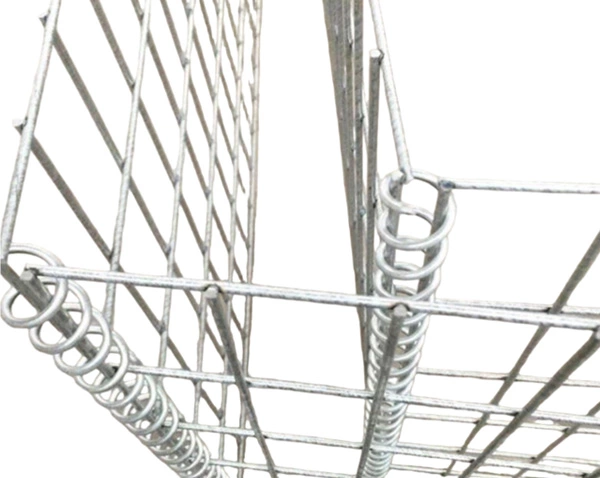
Welded gabions offer several advantages over their traditionally woven counterparts, making them an ideal choice for numerous applications. The primary benefit lies in their construction; unlike the conventional design, which relies on twisted wire connections, welded gabions feature a more durable and rigid structure due to the welding process that binds the wires at each intersection. This enhanced strength allows for better resistance to deformation under heavy loads, ensuring the integrity of the gabion wall even in challenging terrains or during extreme weather events.
Moreover, the uniformity provided by the welding technique facilitates easier installation, as it eliminates potential weak points that could arise from loose or improperly connected sections. In addition, this method often leads to a cleaner, more aesthetically pleasing appearance, contributing positively to both natural and urban landscapes. Given these attributes, welded gabions present a compelling option for those seeking a reliable and visually appealing solution to erosion control challenges.
Before commencing the installation of welded gabions, thorough site preparation is essential to ensure the stability and longevity of the structure. First, assess the area where the gabions will be placed, considering factors such as slope gradient, soil type, and drainage patterns. It's crucial to identify any potential issues, like soft or unstable ground, and address them accordingly. For instance, if the base consists of weak or erodible material, it may be necessary to excavate and replace it with a more suitable foundation, such as compacted gravel or concrete.
Once the site has been properly evaluated and prepared, mark out the boundaries of the gabion installation. Use stakes and string lines to define the exact layout, paying close attention to alignment and spacing requirements. This step is vital for achieving a straight and level structure, which is critical for both functionality and aesthetics. Additionally, ensure that there is adequate space around the perimeter of the planned installation to allow for easy access during the filling and placement phases. Proper site preparation lays the foundation for a successful and enduring welded gabion installation, setting the stage for subsequent steps in the process.
The actual installation of welded gabions involves several key steps that must be executed with precision to guarantee the best possible outcome. Begin by laying down the first layer of gabions, starting from the lowest point and working upwards. Ensure that each unit is securely fastened to its neighbors using appropriate connectors, such as spiral binders or C-rings, which are designed specifically for this purpose. These connectors should be spaced evenly along the edges of the gabions, typically every 30-45 centimeters, to maintain structural cohesion and prevent gaps that could compromise the overall integrity of the wall.
As you progress through the layers, periodically check the alignment and plumb of the structure using a level and adjusting as needed. This is particularly important when constructing taller walls, as even slight deviations can accumulate over height, leading to significant misalignments. Furthermore, take care to fill the gabions with suitable material, such as angular stones or crushed rock, which will interlock and create a stable mass within the units. Avoid using rounded pebbles or other smooth materials, as they may shift and reduce the effectiveness of the gabion system. By adhering to these installation techniques, you can build a robust and effective barrier against erosion while also enhancing the visual appeal of the surrounding landscape.
To maximize the lifespan and effectiveness of welded gabions, regular maintenance is essential. Over time, exposure to the elements, including wind, rain, and temperature fluctuations, can cause wear and tear on the structure. Inspect the gabions periodically for signs of damage, such as corrosion, broken wires, or loose connections. If any issues are detected, address them promptly to prevent further deterioration. For example, if rust begins to form, apply a protective coating or consider replacing the affected components.
Additionally, keep the area around the gabions free from debris and vegetation that could impede proper drainage or exert additional pressure on the structure. Regularly remove any accumulated dirt, leaves, or other organic matter to maintain clear pathways for water flow. By implementing a proactive maintenance plan, you can significantly extend the service life of your welded gabions, ensuring they continue to provide reliable erosion control and contribute to the overall health and beauty of the environment.
While the primary function of welded gabions is to prevent erosion and stabilize slopes, it is equally important to consider their environmental impact. Opt for materials and construction methods that minimize harm to the local ecosystem. For instance, choose gabion fillers that are locally sourced and environmentally friendly, such as recycled concrete or natural stone. This not only reduces the carbon footprint associated with transportation but also supports sustainable practices.
Furthermore, design the gabion installation to integrate seamlessly with the surrounding landscape. Incorporate native plants and vegetation into the design, which can help stabilize the soil, enhance biodiversity, and improve the overall aesthetic. By adopting a holistic approach that balances functionality with sustainability, you can create a resilient and eco-friendly solution that benefits both the environment and the community.
In conclusion, welded gabions represent a highly effective and versatile tool for erosion control and landscape enhancement. By understanding their unique characteristics, preparing the site meticulously, employing proper installation techniques, and maintaining the structure regularly, you can achieve a durable and attractive solution that stands the test of time. Additionally, by prioritizing environmental considerations, you can ensure that your project not only serves its intended purpose but also contributes positively to the broader ecological context.
Leave a Reply