

 English
 China
China Thailand
 Malaysia
 Vietnam
 Laos
Laos Cambodia
 Pilipinas
 Indonesia
 Russian
 Portuguese
 Arabic
 Japanese
 Spanish
 Italian
 French
 German
News
- Home
- News
- Company News
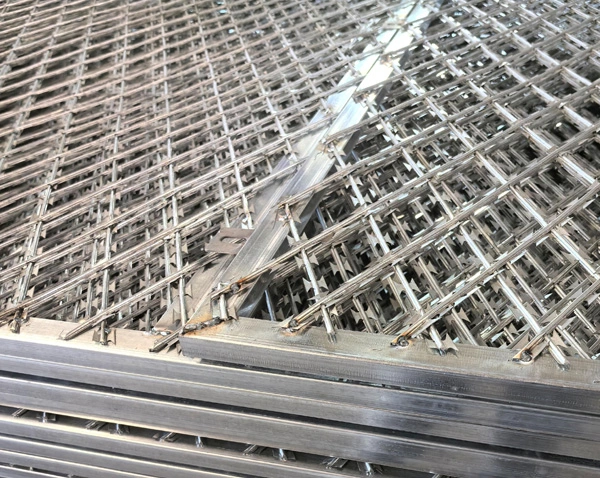
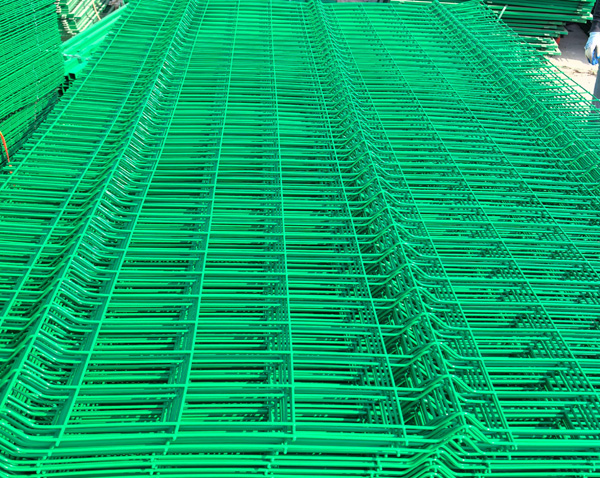
Mesh fencing is a critical component in ensuring the safety and well-being of livestock. It not only serves as a barrier against predators but also helps to prevent animals from escaping, thereby maintaining the integrity of agricultural operations. The effectiveness of mesh fencing for livestock protection depends largely on its installation quality and regular maintenance. Properly maintained fences can last for years, providing a cost-effective solution for farmers looking to secure their investment.
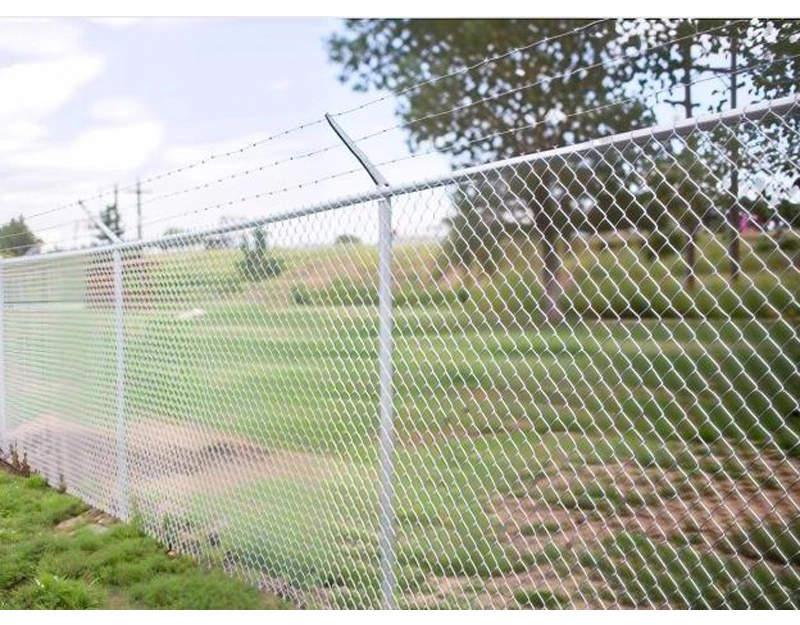
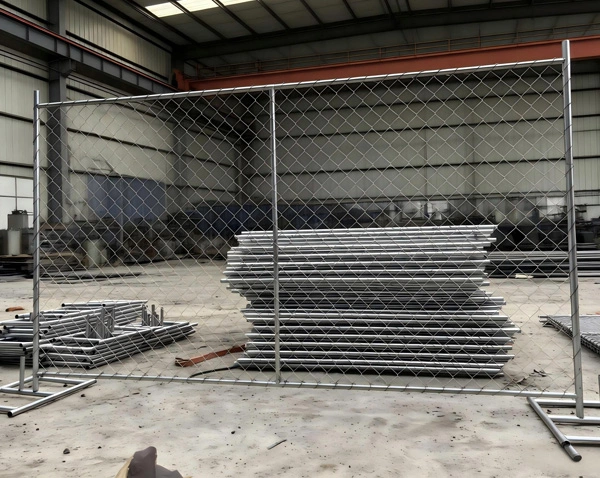
Selecting the appropriate type of mesh fencing is the first step towards long-term livestock safety. Various materials are available, each with its own set of advantages and disadvantages. Common options include wire mesh, chain link, and welded wire. When deciding which material to use, consider factors such as the type of livestock, local climate conditions, and potential threats (e.g., wild animals). For instance, wire mesh offers excellent visibility and air circulation, making it ideal for smaller animals like poultry or rabbits. In contrast, heavier-duty solutions like chain link may be more suitable for larger livestock that require stronger containment.
The way a fence is installed significantly impacts its durability and overall performance. Proper installation involves several key steps:
By following these best practices, you can ensure that your mesh fencing remains sturdy and reliable, effectively protecting your livestock from harm.
Regular maintenance is essential to prolong the life of your mesh fencing and maintain its protective qualities. Here are some tips for keeping your fence in top condition:
Adhering to a consistent maintenance schedule will help ensure that your mesh fencing continues to serve its purpose efficiently, safeguarding your livestock and your investment.
In conclusion, the proper selection, installation, and maintenance of mesh fencing for livestock protection are vital for ensuring the long-term safety and security of your animals. By choosing the right materials, following best installation practices, and implementing a robust maintenance plan, you can create a durable and effective barrier that stands the test of time. Remember, a well-maintained fence is not just a physical barrier; it is a critical element in the overall health and productivity of your farm.
Leave a Reply