

 English
 China
China Thailand
 Malaysia
 Vietnam
 Laos
Laos Cambodia
 Pilipinas
 Indonesia
 Russian
 Portuguese
 Arabic
 Japanese
 Spanish
 Italian
 French
 German
News
- Home
- News
- Company News
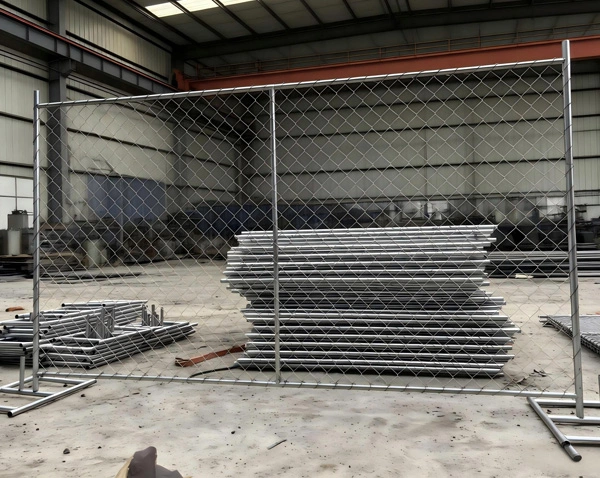
Protecting livestock from predators and other threats is a critical aspect of farm management. Among the various methods available, mesh fencing for livestock protection has emerged as an effective and reliable solution. This report explores the key strategies and considerations when implementing mesh fencing systems to ensure the safety and well-being of your animals.
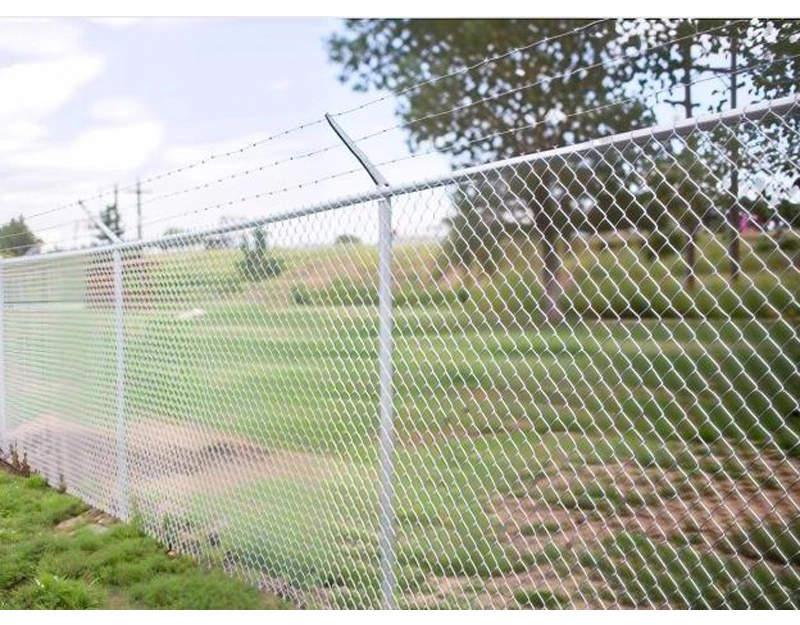
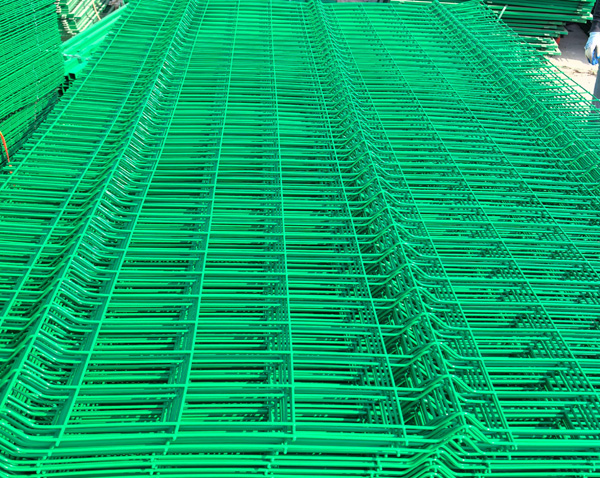
Mesh fencing for livestock protection is designed to provide a secure barrier that keeps animals safe from external threats. The primary purpose of this type of fencing is to prevent predators such as coyotes, wolves, and stray dogs from accessing the livestock. Additionally, it helps in controlling the movement of the animals within the farm, reducing the risk of them wandering off or getting into areas where they might be at risk.
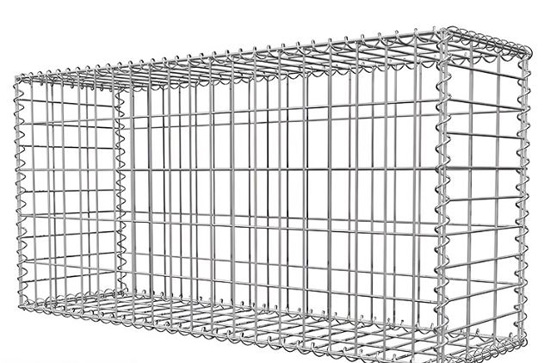
The effectiveness of mesh fencing lies in its durability and versatility. It can be used in a variety of settings, from small backyard farms to large commercial operations. The mesh material, typically made of galvanized steel or aluminum, is resistant to rust and corrosion, ensuring a long-lasting solution.
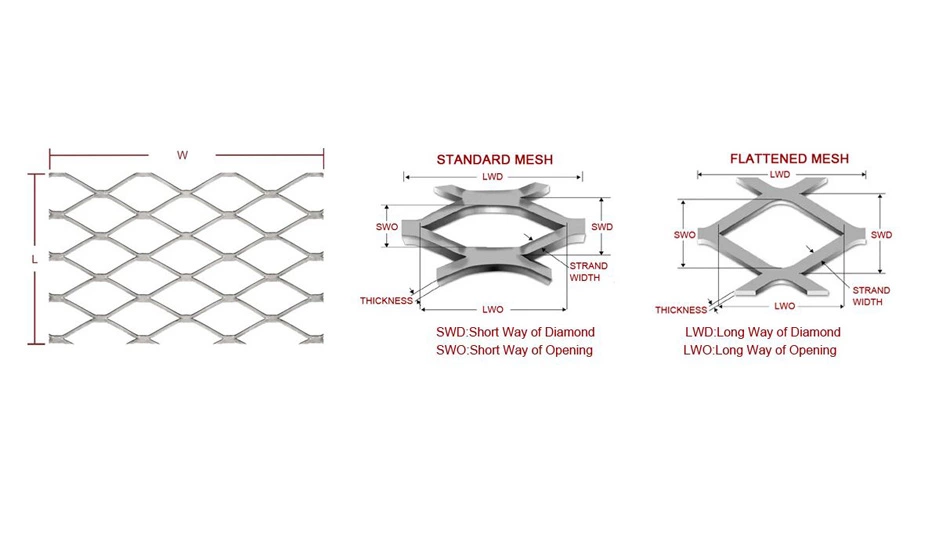
Choosing the appropriate type of mesh fencing for livestock protection is crucial for ensuring the best results. There are several factors to consider, including the size and strength of the mesh, the height of the fence, and the type of animals you are protecting. For example, a smaller mesh size is more effective against smaller predators like foxes, while a larger, stronger mesh may be necessary for larger animals like deer.
It is also important to consider the environment in which the fence will be installed. Factors such as soil type, terrain, and weather conditions can all impact the performance and longevity of the fence. Consulting with a professional installer or a knowledgeable supplier can help in making the right choice.
Proper installation is key to the success of any mesh fencing system. The first step is to plan the layout of the fence, taking into account the topography of the land and the specific needs of the livestock. The fence should be installed in a way that minimizes gaps and weak points, as these can be exploited by predators.
Using high-quality materials and following the manufacturer's instructions are essential. The posts should be securely anchored, and the mesh should be properly tensioned to prevent sagging. Regular maintenance, such as checking for damage and making repairs, is also important to ensure the fence remains effective over time.
While mesh fencing for livestock protection is highly effective on its own, integrating technology can further enhance its security. For example, adding motion-activated cameras or sensors can provide real-time alerts if there is any activity near the fence. This can be particularly useful in remote areas where regular monitoring is challenging.
Electric fencing can also be combined with mesh fencing to create a multi-layered defense. The electric component acts as a deterrent, while the mesh provides a physical barrier. This combination is especially effective in areas with high predator activity.
Investing in a high-quality mesh fencing system can be a significant upfront cost, but it is a worthwhile investment in the long run. The benefits of reduced livestock losses, improved animal welfare, and increased peace of mind for farmers make it a cost-effective solution. Additionally, many governments and agricultural organizations offer grants or subsidies to support the installation of protective fencing, which can help offset the initial expenses.
When considering the long-term benefits, it is important to factor in the potential savings from reduced veterinary bills, lower replacement costs for lost animals, and the overall improvement in farm productivity. A well-maintained mesh fence can last for many years, providing a return on investment that far outweighs the initial cost.
In conclusion, mesh fencing for livestock protection is a robust and versatile solution that can significantly enhance the security and well-being of your animals. By carefully selecting the right type of mesh, following best practices for installation, and integrating technology, you can create a comprehensive and effective defense system. The long-term benefits of such an investment make it a valuable addition to any farm or ranch.
Leave a Reply