How to Choose the Right Mesh Fencing for Your Livestock
Choosing the right mesh fencing for livestock protection is a critical decision that directly impacts the safety, health, and productivity of your animals. The type of fencing you select can vary based on several factors including the kind of livestock, the size of the area to be fenced, and the specific needs of your farm or ranch. This technical report aims to guide you through the key considerations in selecting mesh fencing for livestock protection, ensuring that your investment not only meets but exceeds your expectations.
Understanding the Different Types of Mesh Fencing
The first step in choosing the right mesh fencing involves understanding the various types available. Each type has its own set of advantages and limitations, making them suitable for different scenarios. Common types include:
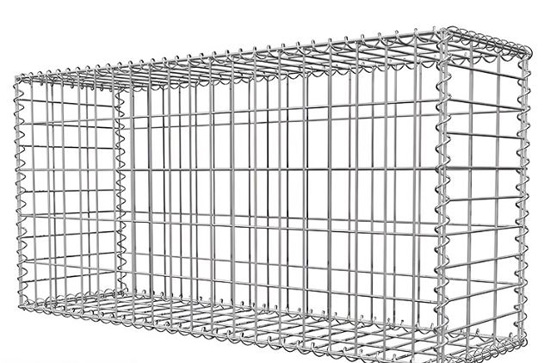
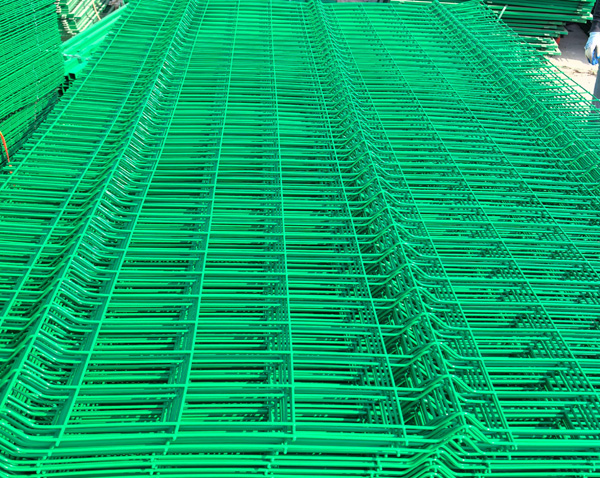
- welded wire mesh: Known for its durability and strength, welded wire mesh is ideal for containing larger animals like cattle or horses. It comes in various heights and gauges, allowing for customization based on the specific needs of your livestock.
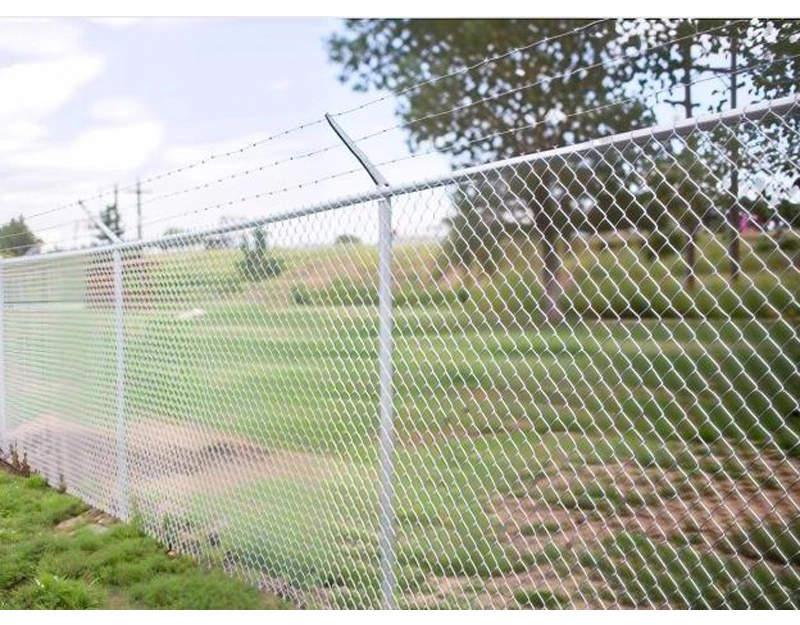
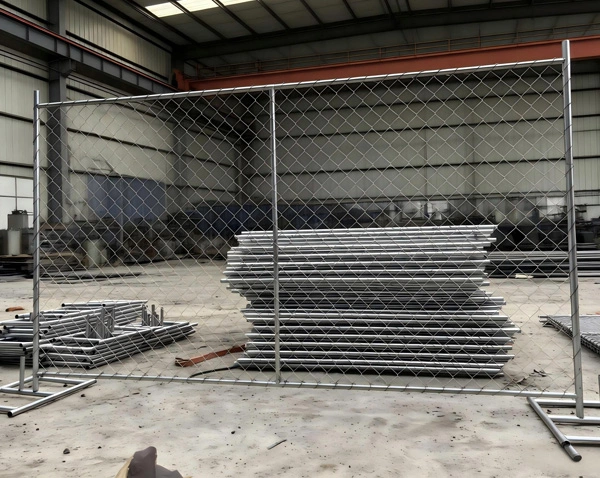
- chain link fencing: While primarily used in urban settings, chain link fencing also serves well in agricultural environments. Its flexibility makes it easy to install over uneven terrain, though it may not offer the same level of security as other options for very large or aggressive animals.
- Chicken wire: For smaller livestock such as chickens or rabbits, chicken wire provides an economical solution. However, it is less durable than other options and may require more frequent maintenance or replacement.
- Electric Fencing: Though not strictly a mesh fencing, electric fencing often complements traditional mesh systems. It uses an electric current to deter animals from approaching the fence, making it particularly effective for stubborn or highly mobile species.
Understanding these types will help you narrow down the best option for your specific situation.
Evaluating the Durability and Maintenance Requirements
One of the most crucial factors in choosing mesh fencing for livestock protection is the durability of the material. Livestock can be quite rough on fences, so it's important to select a product that can withstand the wear and tear of daily use. Factors to consider include:
- Material Quality: High-quality materials, such as galvanized steel or aluminum, are more resistant to rust and corrosion, extending the life of the fence. These materials also provide better resistance against damage from weather and animal activity.
- Gauge and Wire Diameter: The gauge (thickness) of the wire and the diameter of the openings in the mesh are important. Thicker wires and smaller openings generally provide greater strength and security, but they may also be more expensive.
- Installation and Support: Proper installation is key to the longevity of any fence. Ensure that posts are securely anchored and that the mesh is properly tensioned. Additional support, such as top rails or braces, may be necessary depending on the type of livestock and the terrain.
- Maintenance: Regular inspections and maintenance are essential to keep the fence in good condition. This includes checking for loose or damaged sections, repairing any gaps, and ensuring that the fence remains taut and secure.
By carefully evaluating these factors, you can choose a mesh fencing system that will last for years with minimal upkeep.
Considering the Safety and Comfort of Your Livestock
While the primary function of mesh fencing for livestock protection is to contain animals, it's equally important to ensure their safety and comfort. A poorly designed or installed fence can lead to injuries, escapes, or even fatalities. Here are some key considerations:
- Visibility: Animals should be able to see the fence clearly to avoid accidental collisions. High-visibility fencing, such as those with bright colors or reflective strips, can help prevent accidents, especially in low-light conditions.
- Height and Spacing: The height and spacing of the fence should be appropriate for the type of livestock. For example, taller fences are needed for jumping animals like deer, while smaller openings are necessary to prevent small animals from squeezing through.
- Smooth Edges: Sharp edges or protruding wires can cause injuries. Look for fencing with smooth, rounded edges or protective coatings to minimize the risk of cuts or scrapes.
- Animal Behavior: Consider the natural behaviors of your livestock. For instance, if you have digging animals like pigs, you may need to bury the bottom of the fence to prevent them from burrowing under it.
By prioritizing the safety and comfort of your animals, you can create a secure and stress-free environment that promotes their overall well-being.
Cost-Effectiveness and Long-Term Investment
When choosing mesh fencing for livestock protection, it's important to consider both the initial cost and the long-term investment. While a high-quality, durable fence may have a higher upfront cost, it can save you money in the long run by reducing the need for frequent repairs and replacements. Here are some tips for making a cost-effective choice:
- Budgeting: Set a realistic budget that accounts for the initial purchase, installation, and ongoing maintenance costs. Be sure to factor in the potential savings from reduced labor and repair expenses over time.
- Comparative Analysis: Compare different types of fencing based on their total cost of ownership. This includes the initial purchase price, installation costs, and the expected lifespan of the fence. A more expensive option with a longer lifespan may be more cost-effective in the long term.
- Quality vs. Price: While it's tempting to go for the cheapest option, investing in a higher-quality fence can pay off in the long run. Look for products with warranties or guarantees, as these can provide additional peace of mind and financial protection.
- Customization and Flexibility: Consider whether the fencing system can be easily modified or expanded as your needs change. A flexible system that can be adjusted or added to without significant additional costs can be a wise investment.
By carefully considering the cost-effectiveness of your fencing choices, you can make a smart investment that will serve your livestock and your farm for years to come.
Conclusion
Selecting the right mesh fencing for livestock protection is a multifaceted decision that requires careful consideration of various factors. By understanding the different types of mesh fencing, evaluating their durability and maintenance requirements, and prioritizing the safety and comfort of your animals, you can make an informed choice that meets your specific needs. Additionally, by focusing on cost-effectiveness and long-term investment, you can ensure that your fencing system is both practical and financially sound. With the right approach, you can create a secure, efficient, and comfortable environment for your livestock, ultimately contributing to the success and sustainability of your farm or ranch.


 English
 China
China Thailand
 Malaysia
 Vietnam
 Laos
Laos Cambodia
 Pilipinas
 Indonesia
 Russian
 Portuguese
 Arabic
 Japanese
 Spanish
 Italian
 French
 German
Leave a Reply