

 English
 China
China Thailand
 Malaysia
 Vietnam
 Laos
Laos Cambodia
 Pilipinas
 Indonesia
 Russian
 Portuguese
 Arabic
 Japanese
 Spanish
 Italian
 French
 German
News
- Home
- News
- Company News
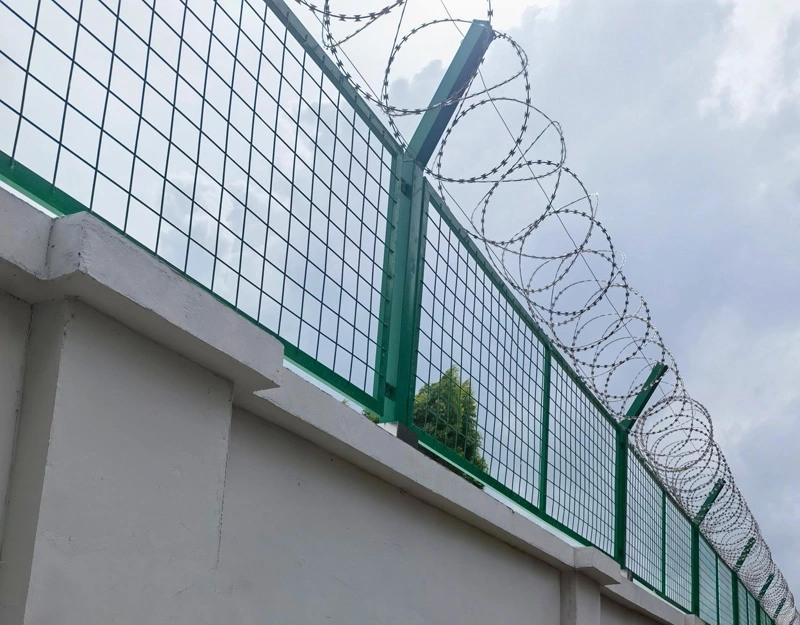
Since the dawn of the 21st century, China has undergone a remarkable transformation in its highway infrastructure. This evolution is not only a testament to the country's rapid economic growth but also showcases advancements in engineering, technology, and sustainability. A key component of this development is the integration of advanced china highway fence systems, which have played a crucial role in enhancing safety and efficiency on the nation's roadways.
The introduction of modern china highway fence designs has significantly contributed to reducing accidents and improving overall road safety. These fences are engineered with high-strength materials and innovative designs that can withstand severe impacts, thereby minimizing the risk of vehicles breaching barriers and entering opposing lanes or hazardous areas. Additionally, the use of reflective materials and warning signs integrated into the fencing system enhances visibility during nighttime and adverse weather conditions, further reducing the likelihood of collisions.
China's commitment to integrating cutting-edge technology into its highway infrastructure has been a driving force behind the sector's evolution. Smart sensors, embedded within the china highway fence, monitor traffic flow, detect potential hazards, and provide real-time data to transportation authorities. This data is then used to optimize traffic management, predict congestion points, and implement proactive measures to ensure smooth and safe travel for all road users. Furthermore, the deployment of IoT (Internet of Things) devices along highways allows for the collection of valuable information on environmental conditions, such as air quality and temperature, which can inform maintenance schedules and improve long-term sustainability.
In line with global trends towards sustainable development, China's highway infrastructure has increasingly focused on minimizing its environmental footprint. The construction of new highways and the renovation of existing ones now incorporate eco-friendly practices, including the use of recycled materials in china highway fence production and the implementation of green spaces alongside roads to reduce noise pollution and enhance biodiversity. Moreover, the adoption of renewable energy sources, such as solar-powered lighting and charging stations, demonstrates a commitment to reducing carbon emissions and promoting a more sustainable future for the transportation sector.
The expansion and modernization of China's highway network have had a profound impact on the country's economy and regional development. Improved connectivity between urban and rural areas facilitates the efficient movement of goods and people, fostering economic growth and social integration. The construction of highways, including the installation of robust china highway fence systems, has created numerous job opportunities and stimulated local economies. Additionally, better road infrastructure has attracted foreign investment and promoted tourism, contributing to the overall prosperity of the regions they serve.
As China continues to advance its highway infrastructure, several challenges and opportunities lie ahead. The ongoing need for maintenance and upgrades to existing china highway fence systems, coupled with the increasing demand for new construction, will require significant investment and technological innovation. Addressing these challenges will be crucial for ensuring the continued safety, efficiency, and sustainability of the nation's roadways. Furthermore, the integration of emerging technologies, such as autonomous vehicles and smart infrastructure, will play a pivotal role in shaping the future of China's highway network, making it more resilient and adaptable to the changing needs of society.
In conclusion, the evolution of China's highway infrastructure in the 21st century is a multifaceted process that encompasses enhanced safety, technological integration, sustainability, and economic development. The incorporation of advanced china highway fence systems has been a critical element in this transformation, contributing to the creation of a safer, more efficient, and environmentally friendly transportation network. As China continues to invest in and innovate its highway infrastructure, the benefits will extend far beyond the immediate realm of transportation, positively impacting the nation's overall socio-economic landscape.












Leave a Reply