

 English
 China
China Thailand
 Malaysia
 Vietnam
 Laos
Laos Cambodia
 Pilipinas
 Indonesia
 Russian
 Portuguese
 Arabic
 Japanese
 Spanish
 Italian
 French
 German
News
- Home
- News
- Company News
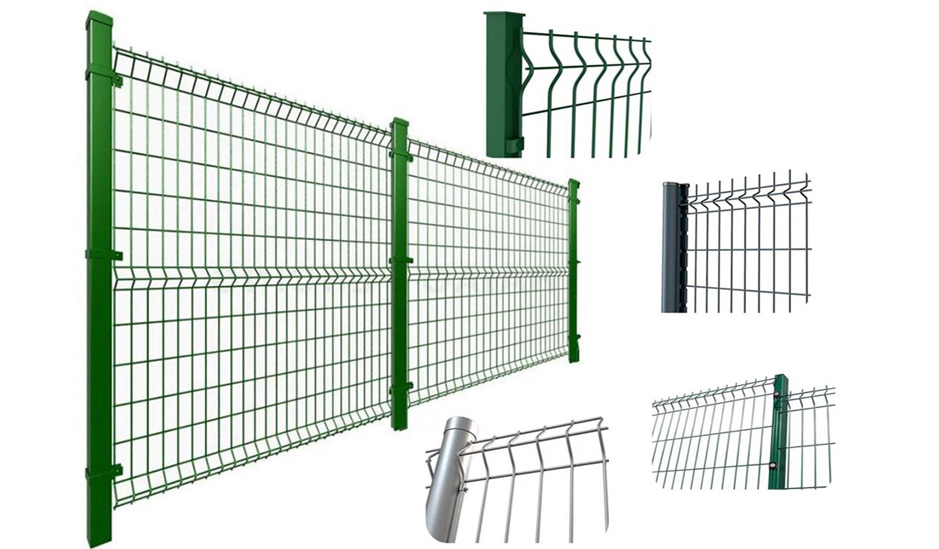
China's rapid urbanization and infrastructure development have led to an increasing demand for highway fences, not only as a safety measure but also as a means of enhancing the aesthetic appeal of modern Chinese roads. This report delves into the multifaceted role that china highway fence plays in contemporary infrastructure, examining its dual function in promoting both functionality and visual appeal. The analysis covers key aspects such as design innovation, environmental integration, technological advancements, and the socio-economic benefits associated with these installations. By exploring these dimensions, this document aims to provide a comprehensive understanding of how highway fences contribute to the broader goals of sustainable and visually appealing urban environments.
The transition from conventional metal and concrete barriers to more advanced materials has significantly influenced the design of modern china highway fence. Innovations such as high-strength composites, corrosion-resistant alloys, and modular systems have enabled the creation of structures that are both durable and aesthetically pleasing. These materials not only enhance the longevity of the fences but also reduce maintenance costs, making them a cost-effective solution for long-term infrastructure projects.
Beyond functional improvements, there is a growing trend towards integrating local cultural elements into the design of highway fences. This approach not only enhances the visual appeal of the roadways but also fosters a sense of place and identity. For instance, some regions incorporate traditional patterns, motifs, and colors that reflect the local heritage, turning what would otherwise be a utilitarian structure into a form of public art. Such designs can serve as a source of pride for communities and contribute to the overall beautification of the area.
As environmental awareness continues to grow, the choice of materials and manufacturing processes for china highway fence has become increasingly important. Eco-friendly options such as recycled plastics, bamboo, and sustainably sourced wood are being explored. These materials not only reduce the carbon footprint of the construction process but also offer additional benefits, such as improved resistance to weathering and reduced environmental impact. Additionally, the use of energy-efficient production methods and the implementation of waste reduction strategies further contribute to the sustainability of these structures.
Highway fences can play a crucial role in preserving and enhancing the natural environment. By incorporating greenery, such as climbing plants and hedges, into the design, these structures can help mitigate the visual and auditory impacts of traffic on surrounding areas. Moreover, they can act as a buffer zone, protecting wildlife from the dangers of the road and providing habitats for small animals. This integration of natural elements not only improves the ecological balance but also creates a more harmonious and pleasant environment for both drivers and nearby residents.
The integration of smart technologies into china highway fence is revolutionizing the way these structures are used. Advanced sensors, cameras, and communication systems can be embedded into the fences to monitor traffic conditions, detect accidents, and alert authorities in real-time. These features not only improve the safety and efficiency of the road network but also provide valuable data for traffic management and urban planning. For example, smart fences can be equipped with solar panels to power these systems, making them self-sustaining and reducing the need for external energy sources.
Modern highway fences are designed to withstand a wide range of environmental and operational challenges. Advanced coatings and surface treatments, such as anti-corrosion and anti-graffiti finishes, ensure that the fences remain in good condition over extended periods. Additionally, modular designs allow for easy replacement and repair of damaged sections, minimizing disruption and reducing maintenance costs. These innovations not only extend the lifespan of the fences but also ensure that they continue to provide reliable protection and aesthetic value throughout their service life.
The construction and maintenance of china highway fence contribute significantly to local economies by creating jobs and stimulating economic activity. The installation of these structures requires a skilled workforce, including engineers, designers, and construction workers, which helps to support employment in the region. Furthermore, the supply chain for materials and components provides additional opportunities for businesses, contributing to the overall economic growth of the area.
Well-designed and well-maintained highway fences can have a positive impact on community engagement and public perception. When residents see that their local infrastructure is being invested in and cared for, it can foster a sense of pride and ownership. This, in turn, can lead to increased community involvement in other local initiatives and a greater appreciation for the importance of maintaining and improving public spaces. Additionally, the aesthetic enhancements provided by these fences can make the area more attractive to visitors and potential investors, further boosting the local economy.
As technology continues to advance, the future of china highway fence looks promising. Emerging trends such as 3D printing, artificial intelligence, and nanotechnology are likely to play a significant role in the design and construction of these structures. For example, 3D printing could enable the creation of highly customized and intricate designs, while AI-powered monitoring systems could provide even more sophisticated and accurate data for traffic management. These innovations will not only enhance the functionality and safety of highway fences but also push the boundaries of what is possible in terms of aesthetics and sustainability.
The development and implementation of robust policy and regulatory frameworks are essential for ensuring the continued success and innovation in the field of highway fencing. Governments and regulatory bodies must work together to establish standards and guidelines that promote the use of eco-friendly materials, advanced technologies, and sustainable practices. Additionally, policies that encourage collaboration between stakeholders, such as designers, manufacturers, and local communities, can help to drive innovation and ensure that the needs and preferences of all parties are taken into account. By setting clear and consistent guidelines, policymakers can create an environment that supports the development of next-generation highway fences that meet the evolving needs of modern society.


Leave a Reply