

 English
 China
China Thailand
 Malaysia
 Vietnam
 Laos
Laos Cambodia
 Pilipinas
 Indonesia
 Russian
 Portuguese
 Arabic
 Japanese
 Spanish
 Italian
 French
 German
News
- Home
- News
- Company News
China's highway infrastructure has experienced remarkable growth and transformation over the past few decades, evolving from a rudimentary network to one of the most extensive and technologically advanced systems in the world. This evolution has been driven by a combination of economic, social, and technological factors, each contributing to the development of a robust and efficient transportation network. One key aspect of this infrastructure is the china highway fence, which plays a crucial role in ensuring the safety and security of highways.
The development of China's highway infrastructure is not merely a matter of convenience; it is a strategic imperative that supports the country's economic growth and social development. The government's long-term vision, as outlined in various five-year plans, has prioritized the expansion and modernization of the highway network. This focus has resulted in significant investments in road construction, maintenance, and technology, creating a backbone for economic activities across the nation.
Highways serve as vital arteries, connecting urban centers, industrial zones, and rural areas. They facilitate the movement of goods and people, reduce travel times, and improve overall efficiency. The strategic importance of these highways is further underscored by their role in supporting emergency services, disaster relief, and national defense. The integration of advanced technologies, such as intelligent transportation systems (ITS), has also enhanced the functionality and reliability of the highway network.
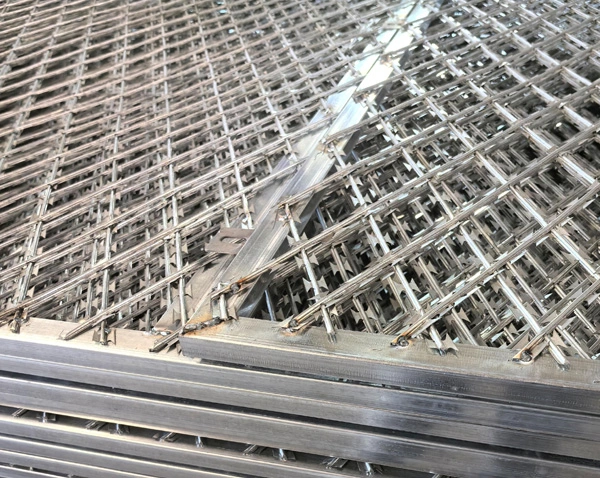
Safety is a paramount concern in the design and maintenance of any highway system. The china highway fence is a critical component of this safety infrastructure, providing a physical barrier that prevents unauthorized access and reduces the risk of accidents. These fences are typically made of durable materials such as steel or concrete, and they are designed to withstand harsh weather conditions and potential impacts.
The installation of highway fences serves multiple purposes. Firstly, they prevent pedestrians and animals from entering the highway, thereby reducing the likelihood of collisions. Secondly, they help to delineate the boundaries of the highway, making it easier for drivers to navigate and maintain control. Additionally, these fences can act as noise barriers, reducing the impact of traffic noise on nearby communities.
Modern highway fences are often equipped with additional features, such as reflective strips and sensors, to enhance visibility and provide real-time data on traffic conditions. These advancements have significantly improved the overall safety and operational efficiency of China's highways.
China's commitment to technological innovation has led to the development of smart highways, which integrate advanced technologies to optimize traffic flow, enhance safety, and improve environmental sustainability. These smart highways leverage a range of cutting-edge solutions, including IoT (Internet of Things) devices, big data analytics, and artificial intelligence (AI).
One of the key innovations in smart highways is the use of sensor networks to monitor traffic conditions in real-time. These sensors can detect congestion, accidents, and other issues, allowing for rapid response and management. AI algorithms analyze the data collected by these sensors to predict traffic patterns and make informed decisions about traffic management, such as adjusting signal timings or rerouting traffic.
Environmental sustainability is another important aspect of smart highways. Technologies such as solar-powered lighting and electric vehicle charging stations are being integrated into the highway infrastructure to reduce energy consumption and promote the use of renewable energy. Additionally, the use of recycled materials in road construction and maintenance is becoming more common, further enhancing the sustainability of the highway network.
The development of China's highway infrastructure has had a profound economic impact, driving growth and improving the quality of life for millions of citizens. Improved connectivity has facilitated the movement of goods and services, leading to increased trade and economic activity. The reduction in travel times and costs has also made it easier for businesses to operate and expand, contributing to job creation and economic diversification.
Looking ahead, the future prospects for China's highway infrastructure are promising. The government continues to invest in the expansion and modernization of the network, with a focus on sustainable and intelligent solutions. The integration of autonomous vehicles and 5G communication technologies is expected to further transform the highway system, making it even more efficient and safe.
Moreover, the Belt and Road Initiative (BRI) is likely to play a significant role in the future development of China's highway infrastructure. As part of this initiative, new highways and corridors will be constructed, connecting China with neighboring countries and beyond. This will not only enhance regional connectivity but also open up new opportunities for economic cooperation and development.
In conclusion, the evolution of China's highway infrastructure is a testament to the country's commitment to economic development, social progress, and technological innovation. The china highway fence and other safety measures, along with the integration of smart technologies, have contributed to the creation of a highly efficient and secure transportation network. As China continues to invest in and modernize its highway infrastructure, the benefits for the economy, society, and the environment will only continue to grow.















Leave a Reply