

 English
 China
China Thailand
 Malaysia
 Vietnam
 Laos
Laos Cambodia
 Pilipinas
 Indonesia
 Russian
 Portuguese
 Arabic
 Japanese
 Spanish
 Italian
 French
 German
News
- Home
- News
- Company News
industrial sites, ranging from manufacturing plants to utility stations, are often home to valuable assets and sensitive information that require robust security measures. Among these, anti-climb fences have emerged as a critical component in safeguarding industrial premises. This technical report explores the importance of anti-climb fences, particularly in the context of China's rapidly expanding highway infrastructure, where such fences play a dual role in ensuring both site security and public safety. The report will delve into the specific advantages of using anti-climb fences, including their ability to deter unauthorized access, enhance surveillance, and comply with regulatory standards. Additionally, it will highlight the technological advancements in fence design and materials, which have made them more effective and durable. By the end of this report, readers will gain a comprehensive understanding of why anti-climb fences are essential for securing industrial sites.
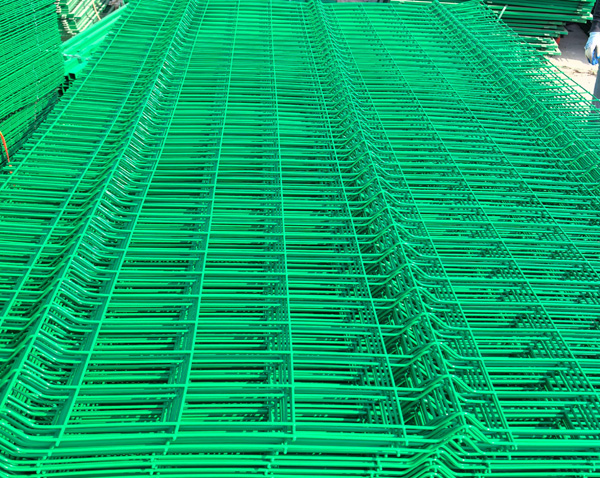
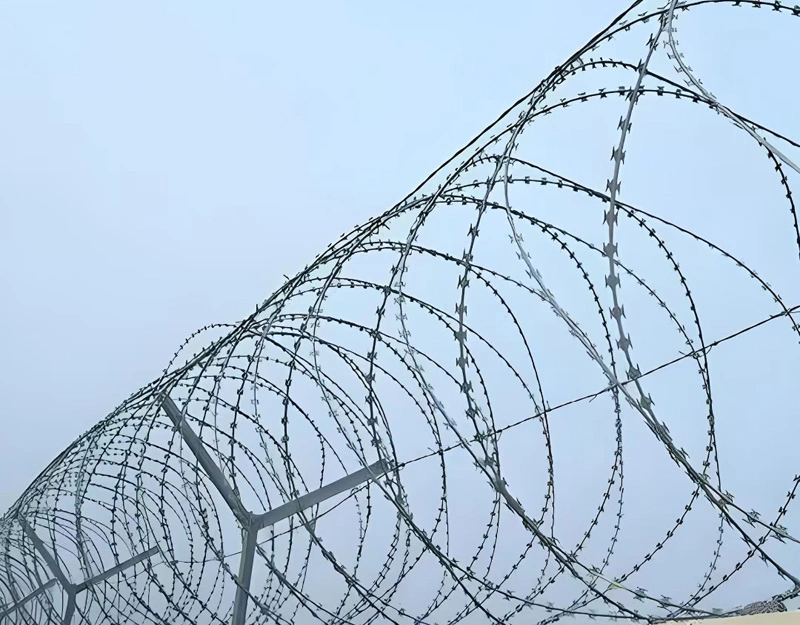
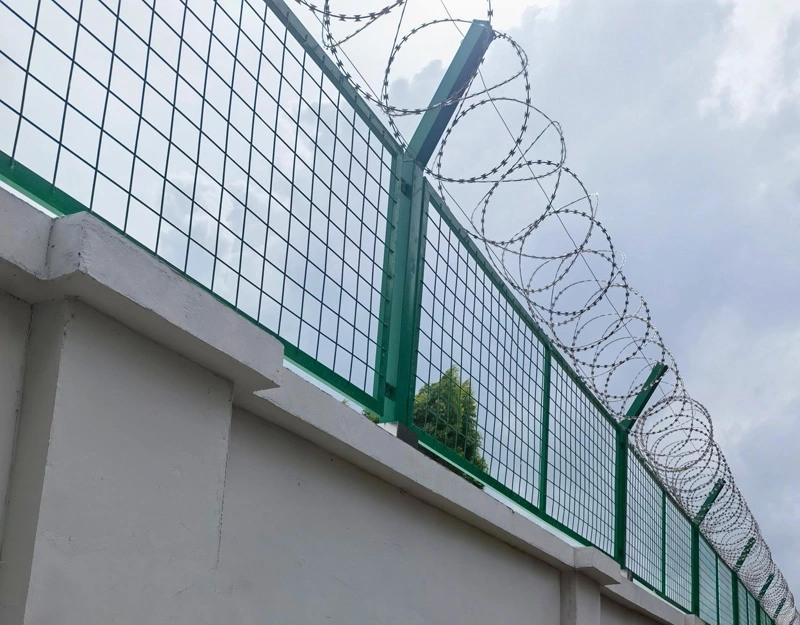
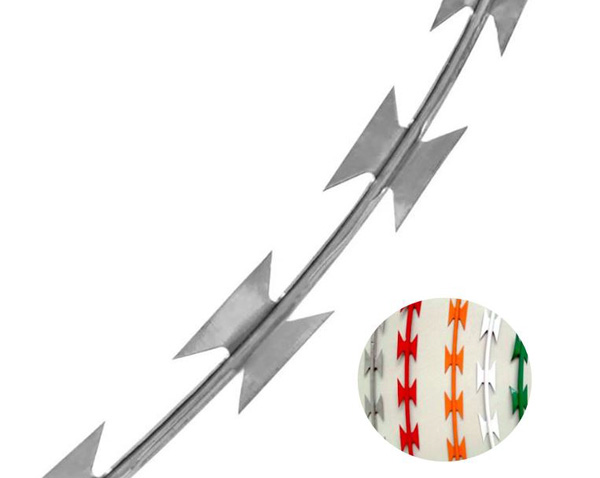
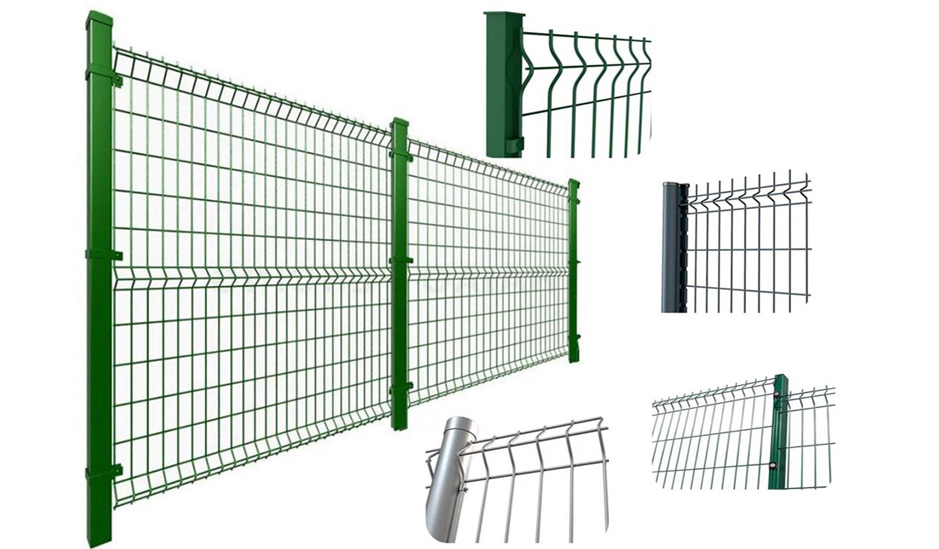
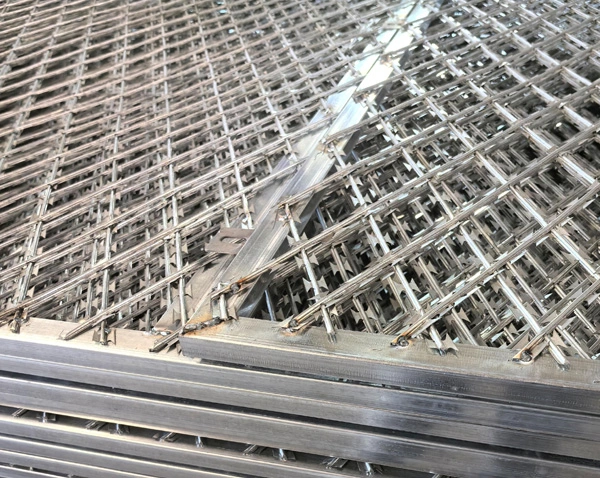
Anti-climb fences serve as an effective physical barrier, making it difficult for intruders to breach the perimeter. These fences are designed with features such as sharp edges, tight mesh, and high tensile strength, which make them nearly impossible to scale without specialized equipment. In the context of China's highway fence systems, these features are particularly important, as they prevent unauthorized individuals from entering restricted areas, thereby reducing the risk of theft, vandalism, and other security breaches.
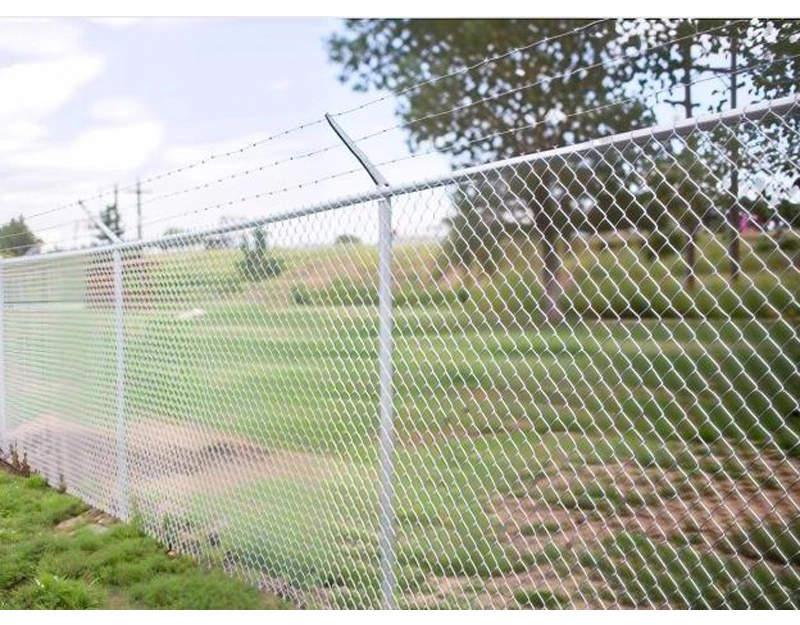
Beyond the physical barriers, anti-climb fences also act as a psychological deterrent. The mere presence of a well-constructed and imposing fence can discourage potential intruders from attempting to breach the perimeter. This is especially true in industrial settings where the visibility of security measures is high. For example, the installation of anti-climb fences along China's highways not only protects the infrastructure but also sends a clear message to would-be trespassers that the area is well-protected.
Modern anti-climb fences can be integrated with advanced surveillance systems, such as cameras, motion sensors, and alarm systems. This integration allows for real-time monitoring and rapid response to any security threats. For instance, if an intruder attempts to climb the fence, the motion sensors can trigger an alarm, and the cameras can capture the incident, providing valuable evidence for law enforcement. In the context of China's highway fence systems, this integration ensures that any unauthorized activity is detected and addressed promptly, enhancing overall security.
Anti-climb fences are often designed to be highly visible, making it easier for security personnel to monitor the perimeter. Additionally, the installation of lighting along the fence line can further enhance visibility during nighttime hours. This combination of visibility and lighting significantly reduces the likelihood of successful breaches. For industrial sites, this means that security personnel can maintain a constant watch over the perimeter, even in low-light conditions, ensuring that no unauthorized access goes undetected.
Industrial sites are subject to various safety and security regulations, and the use of anti-climb fences is often a requirement to meet these standards. In China, for example, the construction of highway fences must comply with national and local regulations, which specify the type of fencing, height, and other security features. Anti-climb fences are designed to meet or exceed these requirements, ensuring that industrial sites are in compliance with all relevant laws and guidelines. This not only helps in avoiding legal penalties but also demonstrates a commitment to maintaining high standards of security and safety.
While the initial investment in anti-climb fences may seem significant, they offer long-term cost savings. These fences are typically made from durable materials that can withstand harsh weather conditions and resist corrosion, reducing the need for frequent maintenance and replacement. In the context of China's highway fence systems, this durability translates to lower long-term costs, as the fences can remain effective for many years without requiring major repairs or replacements. Additionally, the prevention of security breaches and the associated damages can save industrial sites substantial amounts of money, making anti-climb fences a cost-effective solution.


Leave a Reply