

 English
 China
China Thailand
 Malaysia
 Vietnam
 Laos
Laos Cambodia
 Pilipinas
 Indonesia
 Russian
 Portuguese
 Arabic
 Japanese
 Spanish
 Italian
 French
 German
News
- Home
- News
- Company News
In today’s security-conscious world, the demand for robust and reliable anti-climb fences has never been higher. These barriers serve as a critical first line of defense against unauthorized access, making their quality an essential factor in ensuring the safety and integrity of properties. This report delves into the importance of quality in anti-climb fence production, highlighting key aspects that contribute to the effectiveness and longevity of these security solutions.
The choice of materials is fundamental to the overall quality and performance of anti-climb fences. Manufacturers must carefully select materials that are both strong and resistant to environmental factors such as corrosion, UV exposure, and temperature fluctuations. High-quality steel, aluminum, and galvanized wire are commonly used due to their durability and resistance to wear and tear. Additionally, the use of advanced coatings and finishes, such as powder coating or hot-dip galvanization, can further enhance the lifespan of the fence by providing an additional layer of protection against rust and other forms of degradation. An anti climb fence manufacturer that prioritizes material selection will produce a product that not only meets but exceeds industry standards, ensuring long-term reliability and minimal maintenance requirements.
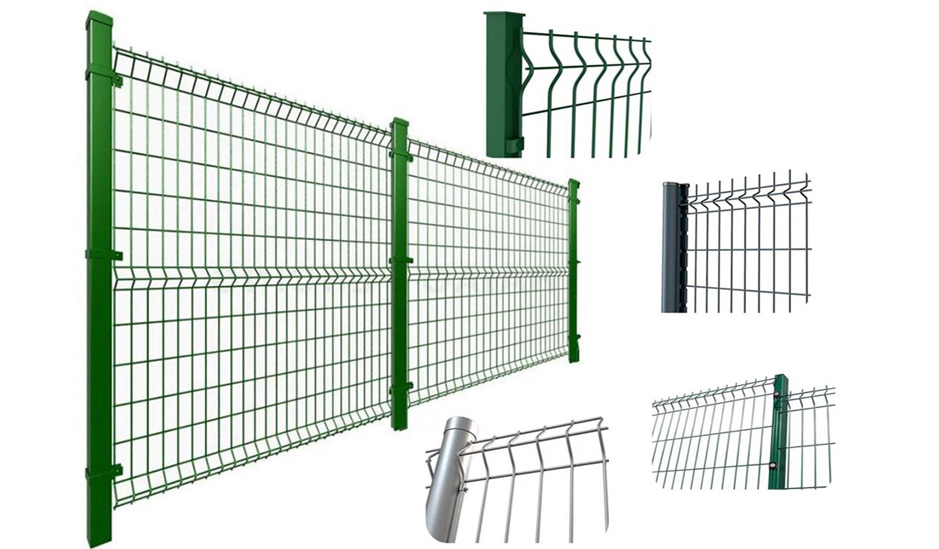
Effective design and engineering are crucial in creating anti-climb fences that are both secure and visually appealing. The design should incorporate features that make the fence difficult to scale, such as anti-climb toppings, closely spaced horizontal and vertical bars, and anti-tamper fastenings. Moreover, the fence should be designed to integrate seamlessly with the surrounding environment, whether it is an industrial site, residential property, or public space. Advanced computer-aided design (CAD) software and 3D modeling tools can help manufacturers create precise and innovative designs that meet specific security needs while also considering aesthetic considerations. By focusing on design and engineering, an Anti climb fence manufacturer can ensure that their products provide optimal security without compromising on appearance.
The manufacturing process plays a significant role in determining the final quality of anti-climb fences. State-of-the-art machinery and rigorous quality control measures are essential to ensure that each component is produced to exact specifications. Automated welding, cutting, and bending processes can help maintain consistency and precision, reducing the likelihood of defects and inconsistencies. Furthermore, regular inspections and testing, including load-bearing tests, corrosion resistance tests, and visual inspections, are necessary to verify that the finished product meets all required standards. An anti climb fence manufacturer that invests in advanced manufacturing technologies and stringent quality control procedures can deliver a product that is both reliable and consistent, providing peace of mind to end-users.
Proper installation and maintenance are critical to the long-term performance of anti-climb fences. Even the highest quality fence can fail if it is not installed correctly or maintained properly. Installation should be carried out by trained professionals who follow best practices, ensuring that the fence is securely anchored and aligned. Regular maintenance, including inspections for damage, cleaning, and touch-ups, is also essential to extend the life of the fence. An anti climb fence manufacturer can support this by providing detailed installation guidelines, maintenance manuals, and even offering after-sales services. By emphasizing the importance of proper installation and maintenance, manufacturers can help ensure that their products continue to provide effective security for years to come.
Compliance with industry standards and certifications is a key indicator of the quality of an anti-climb fence. Manufacturers should adhere to recognized standards such as ASTM, ISO, and EN, which set benchmarks for strength, durability, and safety. Obtaining certifications from independent third-party organizations, such as the International Code Council (ICC) or the British Standards Institution (BSI), can further validate the quality and performance of the fence. These certifications not only assure customers of the product's reliability but also open up opportunities for the manufacturer to enter new markets and gain a competitive edge. An anti climb fence manufacturer that prioritizes compliance and certification demonstrates a commitment to excellence and a dedication to meeting the highest industry standards.
In conclusion, the quality of anti-climb fences is paramount to their effectiveness and longevity. By focusing on material selection, design and engineering, manufacturing processes, installation and maintenance, and compliance and certification, manufacturers can produce high-quality fences that provide robust security and peace of mind. As the demand for reliable security solutions continues to grow, the importance of quality in anti-climb fence production cannot be overstated.
Leave a Reply