

 English
 China
China Thailand
 Malaysia
 Vietnam
 Laos
Laos Cambodia
 Pilipinas
 Indonesia
 Russian
 Portuguese
 Arabic
 Japanese
 Spanish
 Italian
 French
 German
News
- Home
- News
- Company News
Understanding the materials used by anti climb fence manufacturers is crucial for ensuring the safety and durability of security barriers. These fences are designed to prevent unauthorized access, making them an essential component in many settings, including residential areas, industrial sites, and government facilities. This report delves into the various materials utilized by manufacturers, their properties, and how they contribute to the overall effectiveness of anti-climb fences.
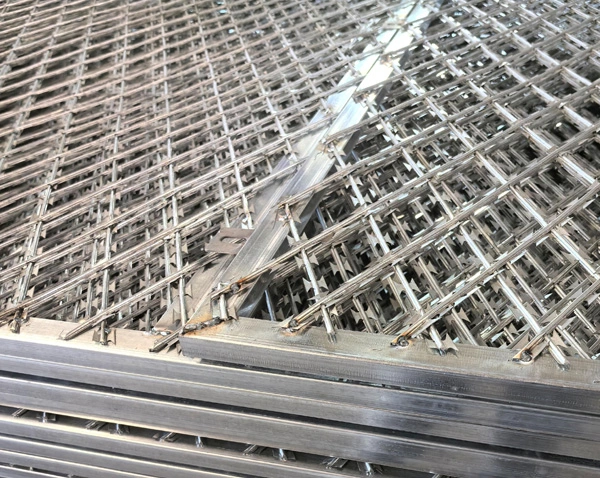
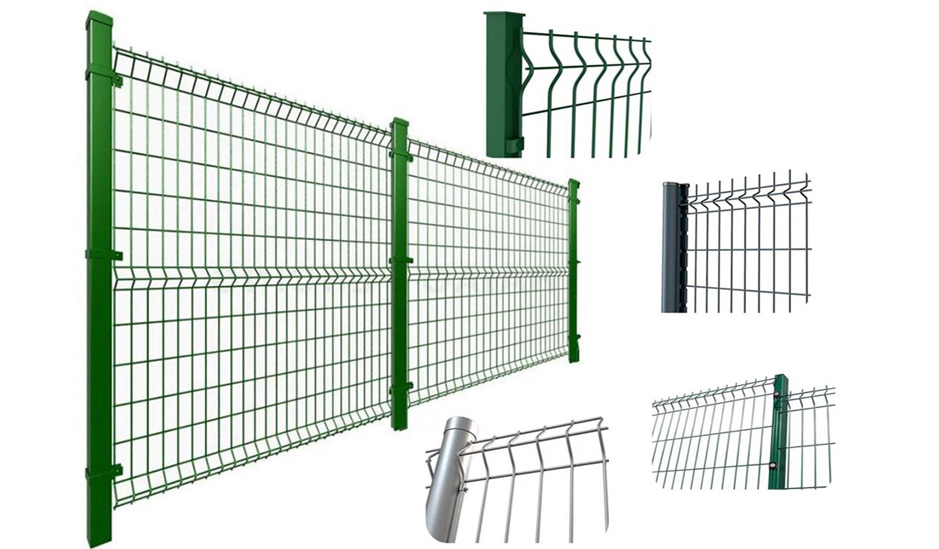
Anti-climb fences are specialized security structures that are designed to deter and prevent individuals from scaling over them. They are commonly used in high-security areas where preventing unauthorized entry is critical. The design of these fences often includes features such as sharp edges, tight mesh, or other physical deterrents that make climbing difficult or impossible. Understanding the materials used in their construction is key to appreciating their functionality and longevity.
One of the most common materials used by anti climb fence manufacturers is steel. Steel offers a combination of strength, durability, and cost-effectiveness that makes it ideal for constructing robust security barriers. There are several types of steel used in the production of anti-climb fences, including:
The choice of steel type depends on the specific requirements of the project, such as the expected environmental conditions and the desired level of security. Steel fences are typically reinforced with additional features like barbed wire or spikes to further enhance their anti-climb properties.
Another material frequently used by Anti climb fence manufacturers is aluminum. Aluminum is known for its lightweight nature and excellent corrosion resistance, making it a suitable alternative to steel in certain applications. Some of the advantages of using aluminum in anti-climb fences include:
However, aluminum is not as strong as steel, so it may not be suitable for high-security applications where extreme durability is required. Manufacturers often use thicker gauges of aluminum or reinforce the fence with additional structural elements to compensate for this.
In recent years, anti climb fence manufacturers have started to explore the use of composite materials, which combine the strengths of different materials to create a more versatile and durable product. Composite materials typically consist of a blend of fibers (such as fiberglass or carbon fiber) and a resin matrix. Some of the key benefits of using composite materials in anti-climb fences include:
While composite materials offer many advantages, they can be more expensive than traditional materials like steel and aluminum. Additionally, the manufacturing process for composites can be more complex, which may affect the overall cost and availability of the final product.
Choosing the right materials for an anti-climb fence is a critical decision that can significantly impact the effectiveness and longevity of the security barrier. Anti climb fence manufacturers utilize a range of materials, each with its own set of properties and benefits. Steel, with its strength and durability, remains a popular choice for high-security applications. Aluminum, with its lightweight and corrosion-resistant properties, is ideal for environments where weight and aesthetics are important. Finally, composite materials offer a unique combination of strength, flexibility, and low maintenance, making them a promising option for the future of anti-climb fence manufacturing.
By understanding the characteristics of these materials, stakeholders can make informed decisions that balance security, durability, and cost-effectiveness, ultimately leading to more effective and reliable security solutions.

Leave a Reply