

 English
 China
China Thailand
 Malaysia
 Vietnam
 Laos
Laos Cambodia
 Pilipinas
 Indonesia
 Russian
 Portuguese
 Arabic
 Japanese
 Spanish
 Italian
 French
 German
News
- Home
- News
- Company News
With the increasing demand for security and safety, anti-climb fences have become an essential component of many public and private spaces. As technology advances, so does the design and manufacturing processes of these critical structures. This report delves into the latest innovations in anti-climb fence design and manufacturing, exploring how advancements are shaping the industry and enhancing the effectiveness of these barriers.
The choice of materials plays a crucial role in the durability and effectiveness of an anti-climb fence. Traditional materials such as steel and aluminum have been the go-to options due to their strength and resistance to corrosion. However, recent advancements in material science have introduced new alloys and composites that offer even greater benefits. For instance, some manufacturers are now using high-strength, lightweight materials that not only enhance the structural integrity of the fence but also reduce installation costs and time. Additionally, these new materials often come with improved resistance to environmental factors like UV radiation, extreme temperatures, and chemical exposure, ensuring a longer lifespan and lower maintenance requirements.
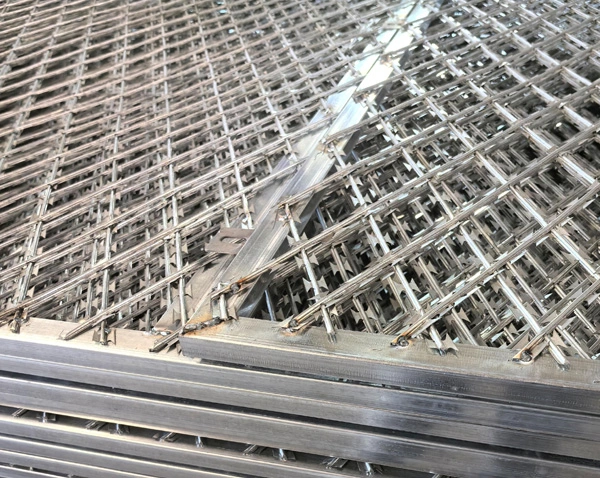
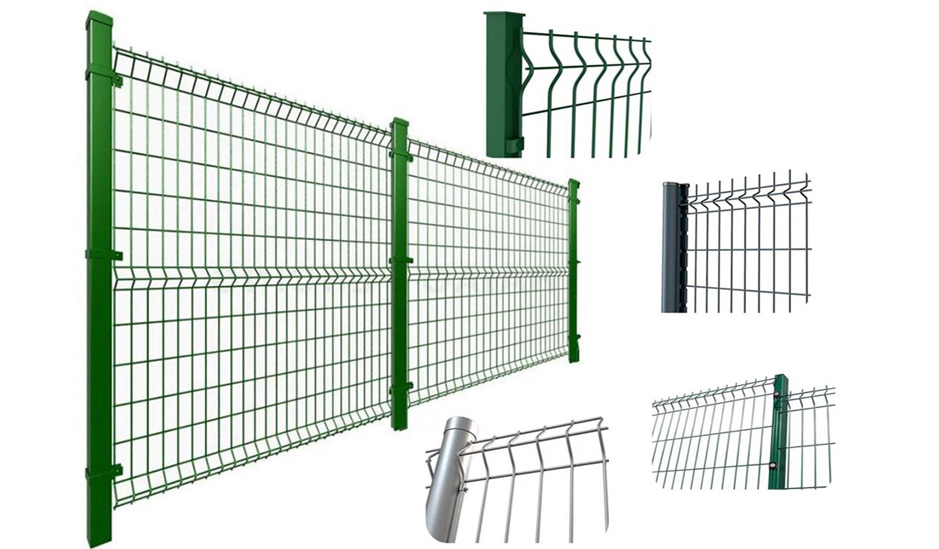
One of the key challenges in designing anti-climb fences is balancing security with aesthetics. Modern designs are moving away from the traditional, utilitarian look towards more visually appealing options that can blend seamlessly into various environments. For example, some anti-climb fence manufacturers are incorporating decorative elements such as ornamental tops, custom colors, and patterns that do not compromise the fence's security features. These enhancements not only make the fence more attractive but also serve as a psychological deterrent, as potential intruders are less likely to attempt scaling a fence that appears formidable and well-maintained. Furthermore, innovative design features such as anti-climb spikes, curved or angled tops, and integrated surveillance systems are being integrated to further enhance the fence's deterrence capabilities.
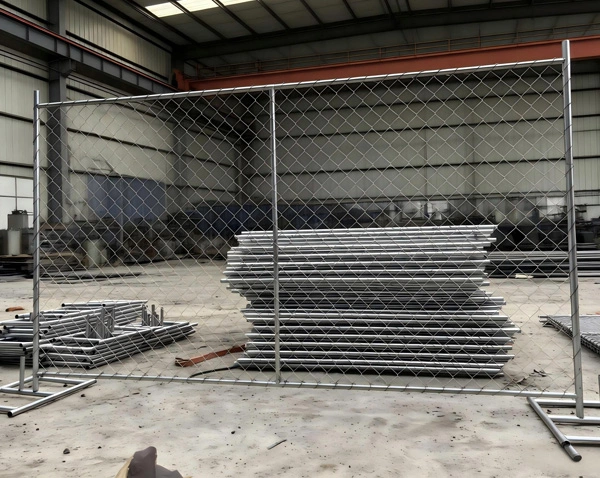
The manufacturing process of anti-climb fences has seen significant improvements, driven by the need for efficiency and cost-effectiveness. Advanced manufacturing technologies, such as computer-aided design (CAD) and computer-aided manufacturing (CAM), have streamlined the production process, allowing for greater precision and customization. These technologies enable manufacturers to create complex designs with ease, reducing the likelihood of errors and improving the overall quality of the final product. Additionally, modular construction techniques are being adopted, which allow for faster and more flexible installation. Modular components can be pre-fabricated off-site and then assembled on-site, significantly reducing installation time and labor costs. This approach also allows for easier repairs and modifications, as individual sections can be replaced or upgraded without affecting the entire fence.
The integration of technology into anti-climb fences is revolutionizing the way we think about perimeter security. Smart fences, equipped with sensors, cameras, and other advanced monitoring systems, provide real-time data and alerts, enabling immediate response to potential breaches. For example, some fences now feature motion sensors that can detect and differentiate between human and animal movements, reducing false alarms. Additionally, the use of artificial intelligence (AI) and machine learning algorithms can analyze patterns and predict potential threats, allowing for proactive security measures. These smart fences can also be integrated with other security systems, such as access control and alarm systems, creating a comprehensive security network. The ability to remotely monitor and manage these systems through mobile apps and web interfaces further enhances their usability and effectiveness.
As environmental concerns continue to grow, sustainability has become a key consideration in the design and manufacturing of anti-climb fences. Manufacturers are increasingly focusing on eco-friendly practices, such as using recycled materials, reducing waste, and minimizing the carbon footprint of their operations. For instance, some anti-climb fence manufacturers are adopting green manufacturing processes, such as solar-powered factories and energy-efficient machinery, to reduce their environmental impact. Additionally, the use of sustainable materials, such as bamboo and recycled plastic, is gaining traction. These materials not only offer comparable strength and durability to traditional options but also contribute to a more sustainable future. Moreover, the design of anti-climb fences is being optimized to minimize the use of resources and reduce the overall environmental impact, making them a more environmentally friendly choice.
In conclusion, the field of anti-climb fence design and manufacturing is witnessing significant advancements, driven by the need for enhanced security, improved aesthetics, and sustainable practices. Material innovations, design enhancements, streamlined manufacturing processes, and the integration of technology are all contributing to the development of more effective and efficient anti-climb fences. As the industry continues to evolve, it is clear that these innovations will play a crucial role in meeting the growing demands for secure and sustainable perimeter protection solutions.

Leave a Reply