

 English
 China
China Thailand
 Malaysia
 Vietnam
 Laos
Laos Cambodia
 Pilipinas
 Indonesia
 Russian
 Portuguese
 Arabic
 Japanese
 Spanish
 Italian
 French
 German
News
- Home
- News
- Company News
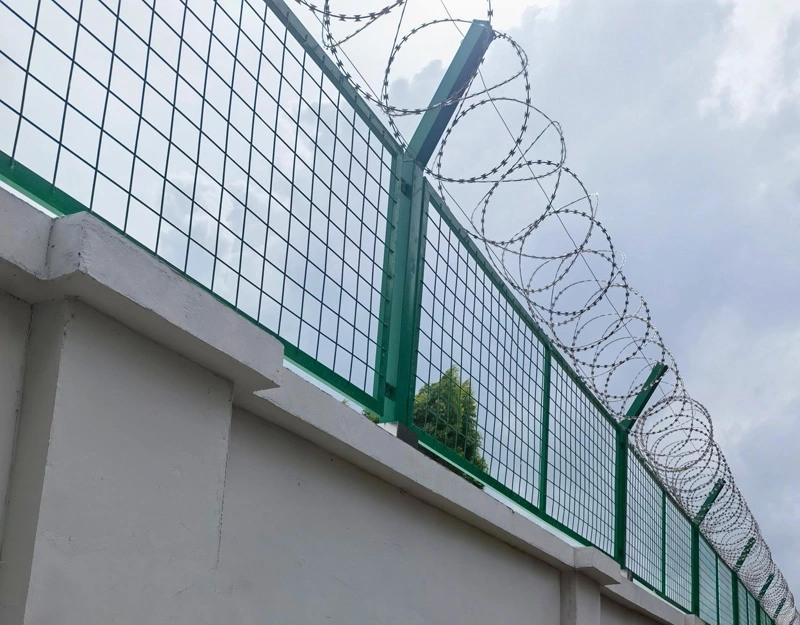
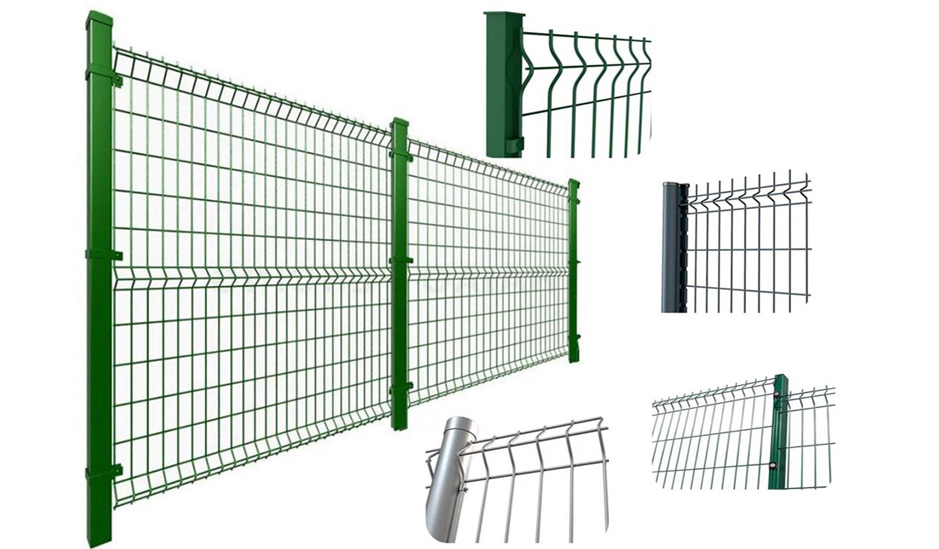
In recent years, the construction of China's highway infrastructure has seen a significant shift towards incorporating sustainable materials. This trend not only addresses environmental concerns but also promotes long-term economic benefits. The use of sustainable materials in china highway fence projects is a key aspect of this movement, aiming to reduce carbon footprints while maintaining structural integrity and safety standards. Below, we will explore several critical aspects of using sustainable materials in the construction of highway fences in China.
The choice of materials for highway fences plays a crucial role in the overall sustainability of transportation infrastructure. Traditional materials such as steel and concrete have been widely used due to their durability and cost-effectiveness. However, these materials come with significant environmental impacts, including high energy consumption during production and disposal challenges. By contrast, sustainable materials offer a more eco-friendly alternative without compromising on performance. For instance, bamboo, recycled plastic, and composite materials are being increasingly adopted in china highway fence projects. These materials not only reduce the carbon footprint but also contribute to the circular economy by utilizing waste products.
Advancements in material science have opened up new possibilities for sustainable highway fence construction. One such innovation is the development of bio-based composites, which combine natural fibers like bamboo or hemp with biodegradable resins. These composites provide excellent mechanical properties, making them suitable for use in high-traffic areas. Additionally, they can be engineered to withstand harsh weather conditions, ensuring longevity and reducing maintenance costs. Another promising technology is the use of geopolymer cement, a low-carbon alternative to traditional Portland cement. Geopolymers are produced from industrial by-products and require less energy to manufacture, thereby significantly lowering greenhouse gas emissions. In the context of china highway fence construction, these innovations not only enhance sustainability but also improve the overall quality of the infrastructure.
The adoption of sustainable materials in china highway fence construction offers both economic and environmental advantages. From an economic perspective, although the initial investment in sustainable materials may be higher, the long-term savings can be substantial. Reduced maintenance needs, extended service life, and lower replacement costs contribute to a more cost-effective solution over time. Environmentally, the use of sustainable materials helps to conserve natural resources, reduce pollution, and mitigate climate change. For example, using recycled plastics in highway fences diverts waste from landfills and reduces the demand for virgin materials. Similarly, employing locally sourced materials minimizes transportation emissions and supports local economies. These benefits underscore the importance of integrating sustainability into every aspect of highway infrastructure development.
Despite the numerous benefits, the implementation of sustainable materials in china highway fence construction faces several challenges. One major obstacle is the lack of standardized testing and certification processes for new materials. This can lead to uncertainty regarding the performance and durability of sustainable alternatives. To address this, there is a need for robust testing protocols and clear guidelines that ensure the quality and reliability of these materials. Another challenge is the initial cost, which can be a barrier for some projects. However, government incentives, subsidies, and public-private partnerships can help offset these costs and encourage wider adoption. Additionally, education and awareness campaigns are essential to inform stakeholders about the benefits of sustainable materials and promote their use in future projects.
Looking ahead, the future of china highway fence construction is likely to see even greater integration of sustainable materials. As research and development continue to advance, we can expect to see more innovative and eco-friendly solutions entering the market. For instance, self-healing materials that can repair minor damages autonomously could significantly extend the lifespan of highway fences, further reducing maintenance needs. Moreover, the use of smart sensors and IoT (Internet of Things) technologies can enhance the monitoring and management of highway infrastructure, enabling proactive maintenance and improving overall safety. These trends, combined with growing public and governmental support for sustainability, will drive the continued evolution of sustainable practices in highway fencing.
In conclusion, the incorporation of sustainable materials in china highway fence construction is a vital step towards building a more environmentally friendly and economically viable transportation system. By addressing the challenges and leveraging technological advancements, China can set a global example in sustainable infrastructure development. The benefits of reduced carbon footprints, enhanced durability, and long-term cost savings make a compelling case for the widespread adoption of sustainable materials in highway fencing projects.






Leave a Reply