

 English
 China
China Thailand
 Malaysia
 Vietnam
 Laos
Laos Cambodia
 Pilipinas
 Indonesia
 Russian
 Portuguese
 Arabic
 Japanese
 Spanish
 Italian
 French
 German
News
- Home
- News
- Company News
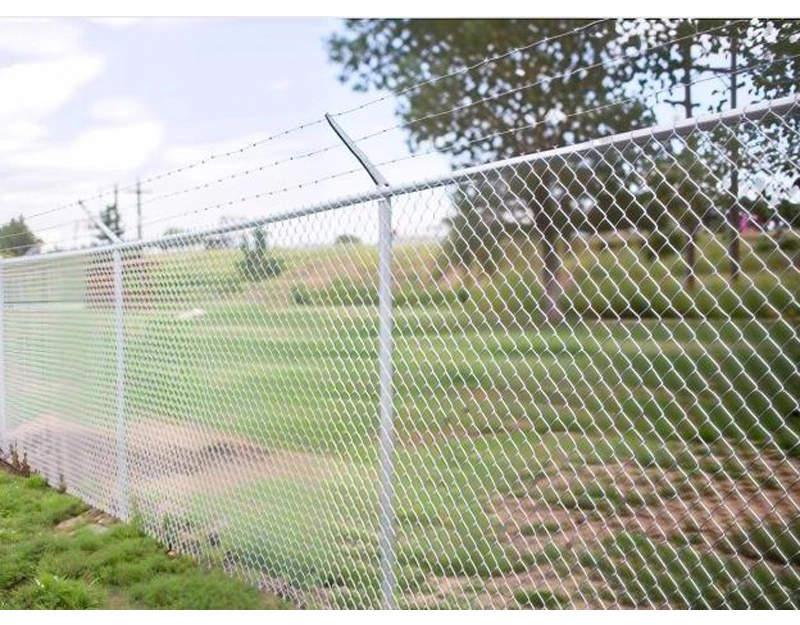
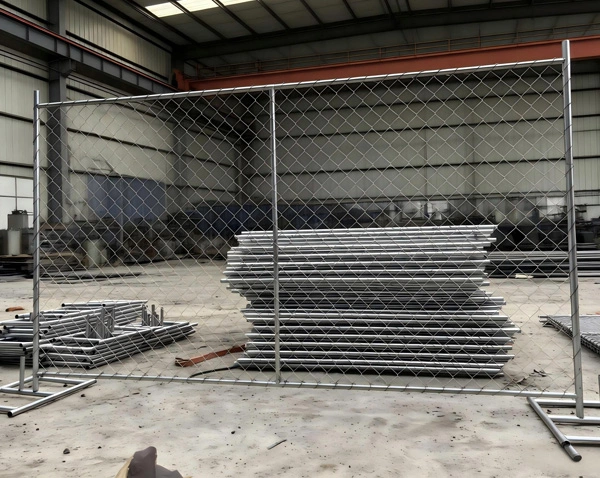
Chain link fences are a common sight in many parts of the world, including China, where they serve as an effective and economical solution for securing property. However, the regulations surrounding their installation and use can vary significantly from one province to another. This report aims to provide a comprehensive overview of the key regulatory requirements and guidelines that govern chain link fence installations across different Chinese provinces. By understanding these rules, property owners, contractors, and local authorities can ensure compliance, avoid legal issues, and contribute to the overall safety and aesthetics of their communities.
Each Chinese province has its own set of regulations regarding the installation of chain link fences. These variations can include height restrictions, material specifications, and aesthetic requirements. For instance, in some urban areas, there may be specific guidelines on the color and design of the fence to maintain a uniform appearance. It is crucial to consult local municipal codes before proceeding with any installation.
To ensure compliance, it is essential to consider several factors such as the intended use of the fence, the location, and the surrounding environment. For example, residential areas may have different standards compared to commercial or industrial zones. Additionally, environmental considerations, such as the presence of wildlife or protected areas, may also influence the type and placement of the fence.
Local authorities play a significant role in enforcing chain link fence regulations. They are responsible for issuing permits, conducting inspections, and ensuring that all installations meet the required standards. Property owners and contractors should establish a good working relationship with local officials to facilitate the approval process and address any concerns promptly.
The quality of materials used in chain link fences is a critical factor in ensuring their durability and effectiveness. In China, there are specific standards for the wire gauge, mesh size, and coating of the fence. These standards are designed to ensure that the fence can withstand various environmental conditions and provide long-lasting security. For example, galvanized steel is commonly used due to its resistance to corrosion and rust.
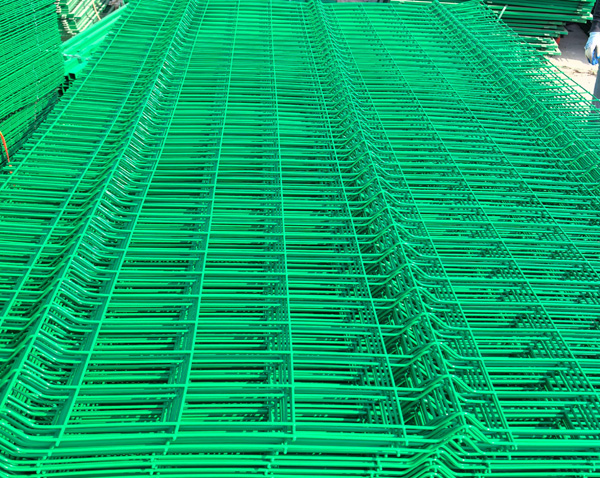
In addition to functional requirements, many provinces also have aesthetic guidelines for chain link fences. These guidelines may specify the color, finish, and overall appearance of the fence to ensure it blends well with the surrounding environment. Some regions may require the use of vinyl-coated fencing, which comes in a variety of colors and finishes, to enhance the visual appeal of the property.
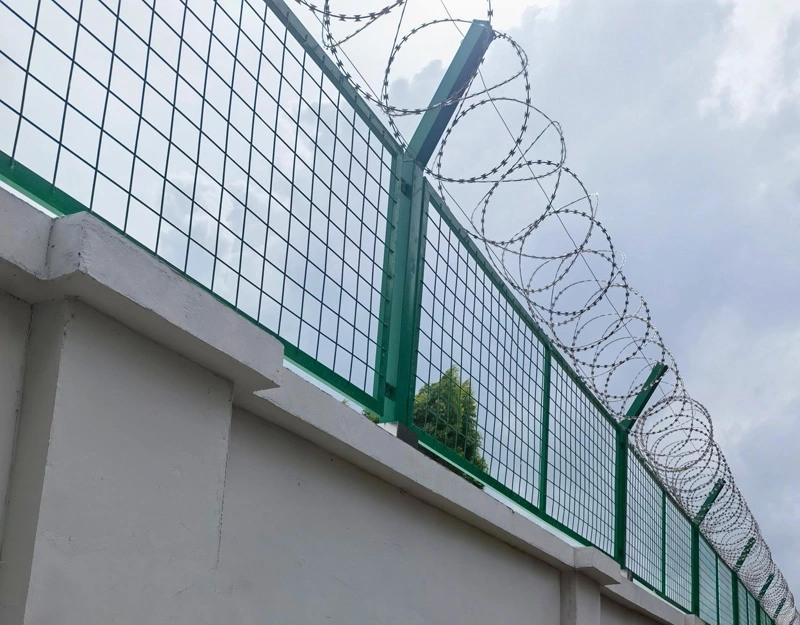
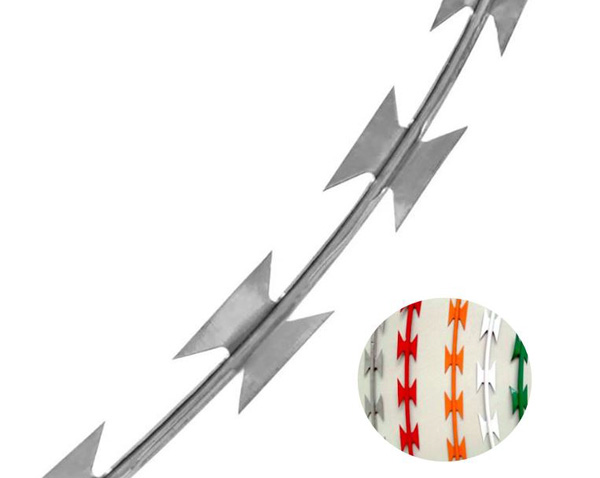
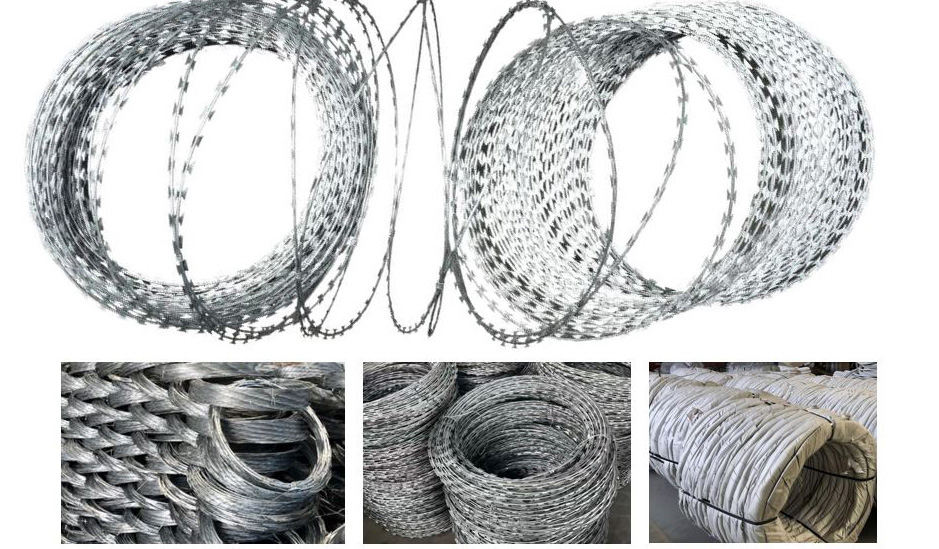
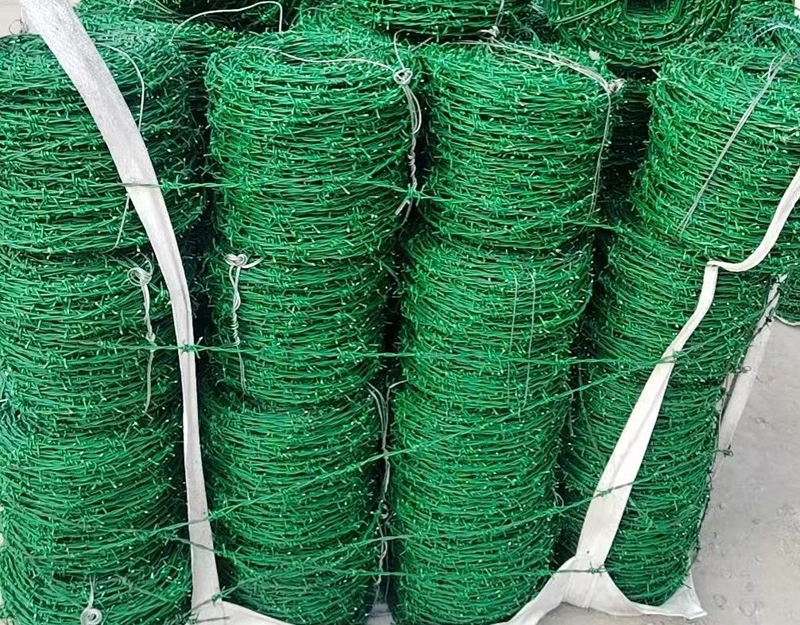
Some property owners may opt for customized chain link fences with special features such as privacy slats, barbed wire tops, or automated gates. These customizations must comply with local regulations and may require additional permits. It is important to work with a reputable contractor who can provide guidance on the feasibility and legality of such modifications.
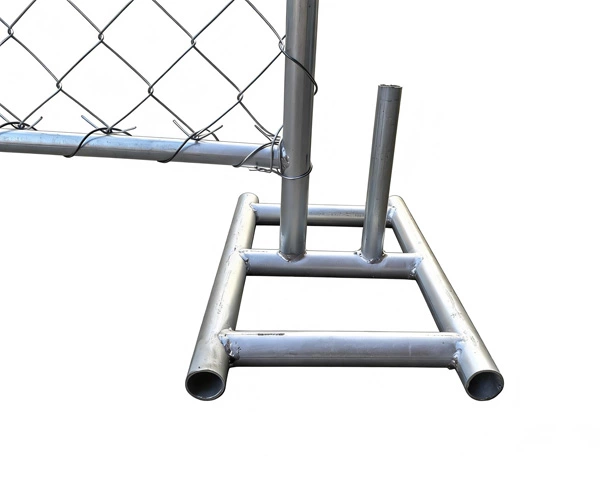
Proper installation is key to the effectiveness and longevity of a chain link fence. The installation process typically involves setting posts, attaching the chain link fabric, and securing the top rail. It is essential to follow manufacturer instructions and local building codes to ensure a secure and stable fence. Additionally, the ground conditions and foundation should be carefully considered to prevent settling or shifting over time.
Regular maintenance is necessary to keep the chain link fence in good condition and extend its lifespan. This includes inspecting the fence for any signs of damage, such as loose wires or rust, and making repairs as needed. Cleaning the fence periodically can also help remove dirt and debris, maintaining its appearance and functionality. Property owners should establish a routine maintenance schedule to ensure the fence remains in optimal condition.
Despite proper installation and maintenance, chain link fences can still encounter issues such as sagging, leaning, or damage from weather events. Addressing these issues promptly is crucial to prevent further damage and ensure the fence continues to provide adequate security. In some cases, professional assistance may be required to make more significant repairs or replacements. Property owners should be aware of the signs of potential problems and take action to resolve them quickly.
By navigating the regulations, adhering to material and design specifications, and following proper installation and maintenance guidelines, property owners and contractors can successfully install and maintain chain link fences in China. Understanding and complying with these requirements not only ensures the safety and security of the property but also contributes to the overall harmony and aesthetics of the community.

Leave a Reply