

 English
 China
China Thailand
 Malaysia
 Vietnam
 Laos
Laos Cambodia
 Pilipinas
 Indonesia
 Russian
 Portuguese
 Arabic
 Japanese
 Spanish
 Italian
 French
 German
News
- Home
- News
- Company News
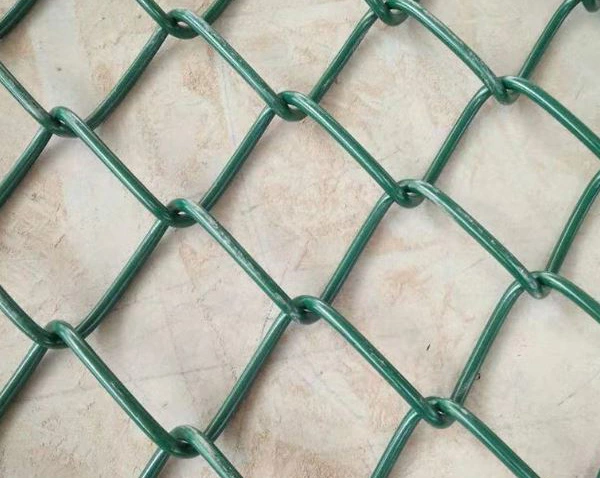
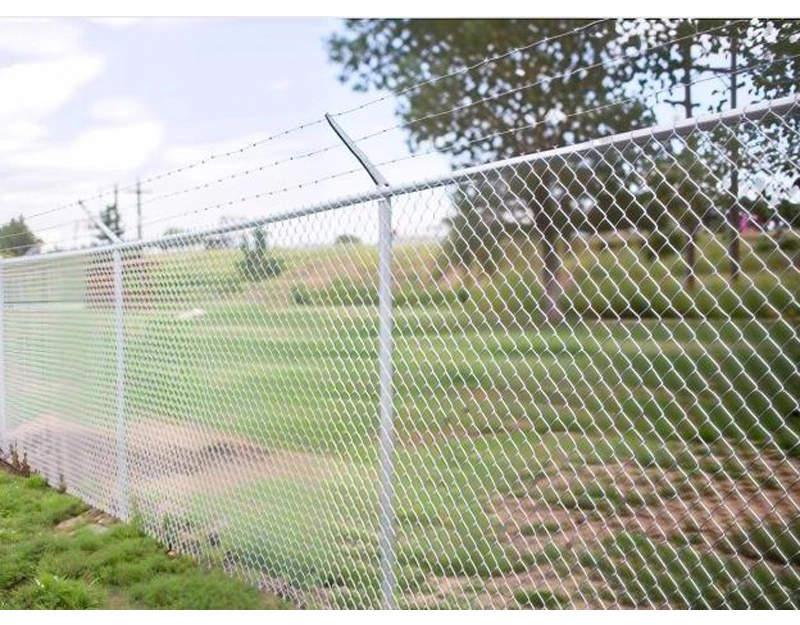
Chain link fences, known for their simplicity and functionality, have become a staple in both urban and rural landscapes across Modern China. These fences, composed of interwoven steel wires, offer a versatile solution for various applications, from security to landscaping. This report explores the adaptability and importance of chain link fences within the Chinese context, examining how they are utilized in diverse settings and what benefits they bring. It also delves into the technological advancements that have made these fences more durable and efficient, as well as their role in supporting sustainable development goals. Finally, the report discusses the economic implications of using chain link fences, including cost-effectiveness and job creation, highlighting why they remain a preferred choice in many sectors.
The foundation of any good fence lies in its material. In recent years, there has been significant progress in the materials used for Chain link fence China. Traditional galvanized steel is now often replaced with or supplemented by newer, more resilient alloys that offer better resistance against corrosion and wear. These innovations not only extend the lifespan of the fences but also reduce maintenance costs over time, making them a more attractive option for long-term projects.
Advancements in manufacturing processes have enabled the production of higher quality chain link fencing at a faster rate. Automation and precision engineering play crucial roles in ensuring that each link is perfectly formed and securely connected, leading to stronger, more reliable products. This level of detail and consistency is particularly important in large-scale infrastructure projects where safety and durability are paramount.
As part of the broader trend towards smart cities, modern chain link fences can be integrated with various sensors and monitoring systems. These technologies allow for real-time surveillance, intrusion detection, and even automated responses to potential threats. Such features make chain link fences not just physical barriers but also intelligent components of an overall security strategy, enhancing their value proposition significantly.
One of the key aspects of sustainability in construction is the use of recycled materials. Many manufacturers in China now produce chain link fences using recycled metals, which reduces the demand for raw resources and minimizes environmental impact. By choosing fences made from recycled materials, consumers and businesses can contribute to a circular economy and help reduce waste.
The production process of chain link fences has seen improvements aimed at reducing energy consumption. Through the adoption of more efficient machinery and processes, less energy is required to manufacture each unit of fencing. This reduction in energy usage not only lowers the carbon footprint associated with the product but also helps control production costs, making the fences more affordable and accessible.
Another way in which chain link fences support sustainability is through their longevity and low maintenance requirements. Unlike wooden or other types of fences that may require frequent repairs or replacement, high-quality chain link fences can last for decades with minimal upkeep. This extended lifespan means fewer resources are needed for replacements, further reducing the overall environmental impact of the product.
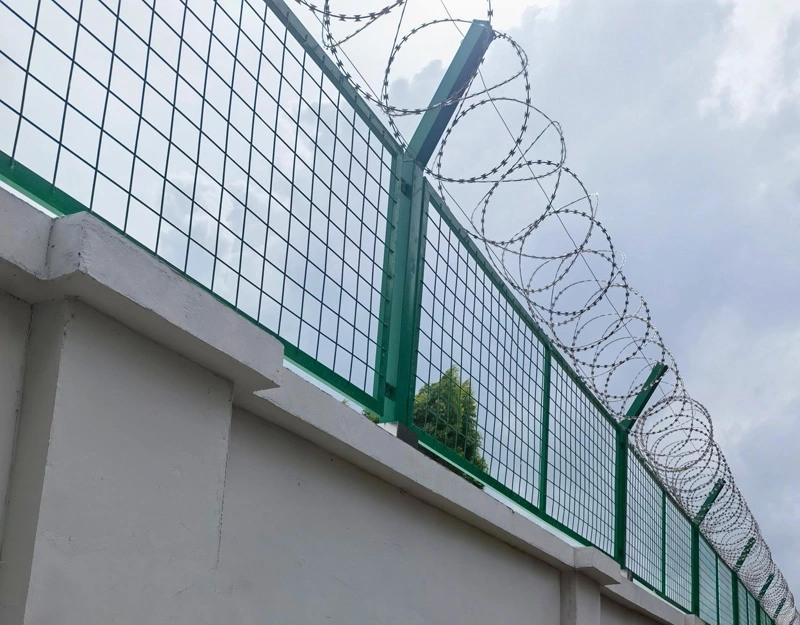
Chain link fences are widely recognized for their cost-effectiveness, making them a popular choice for a wide range of applications. Whether it's securing a residential property, delineating a commercial site, or protecting public utilities, these fences provide a reliable solution without breaking the bank. The affordability of chain link fences makes them accessible to a broad spectrum of users, from individual homeowners to large corporations.
The demand for chain link fences contributes to job creation and supports economic growth in several ways. From the manufacturing stage, where skilled workers are employed to produce the fences, to the installation phase, which requires trained professionals, the industry creates numerous employment opportunities. Additionally, the need for related services such as maintenance and repair further boosts local economies by providing ongoing work for contractors and service providers.
As the market for chain link fences continues to grow, so does the diversification of products and services offered. Manufacturers are constantly innovating to meet the evolving needs of different sectors, leading to a wider range of options available to consumers. This includes custom designs, specialized coatings, and additional features like privacy slats, all of which cater to specific requirements and preferences. The resulting market expansion not only benefits producers but also enhances the user experience, driving further adoption and acceptance of chain link fences across China.


Leave a Reply