

 English
 China
China Thailand
 Malaysia
 Vietnam
 Laos
Laos Cambodia
 Pilipinas
 Indonesia
 Russian
 Portuguese
 Arabic
 Japanese
 Spanish
 Italian
 French
 German
News
- Home
- News
- Company News
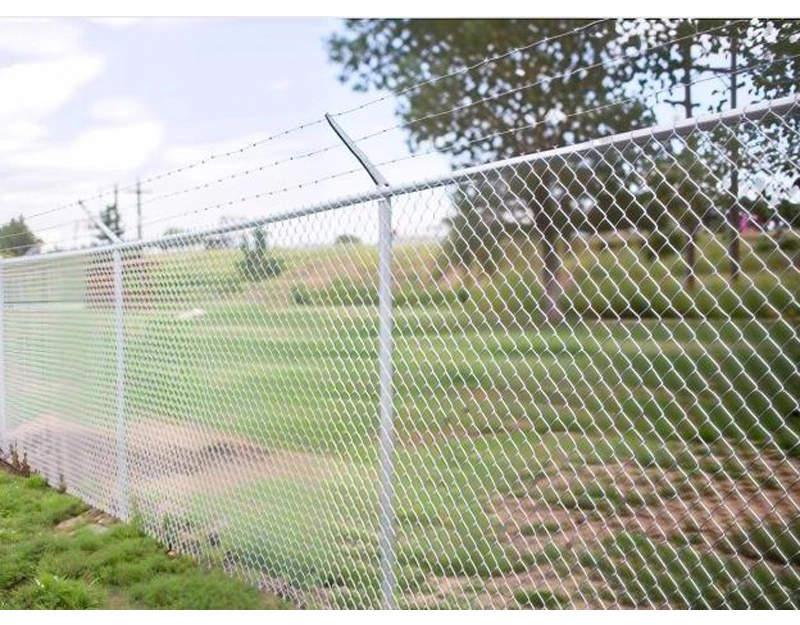
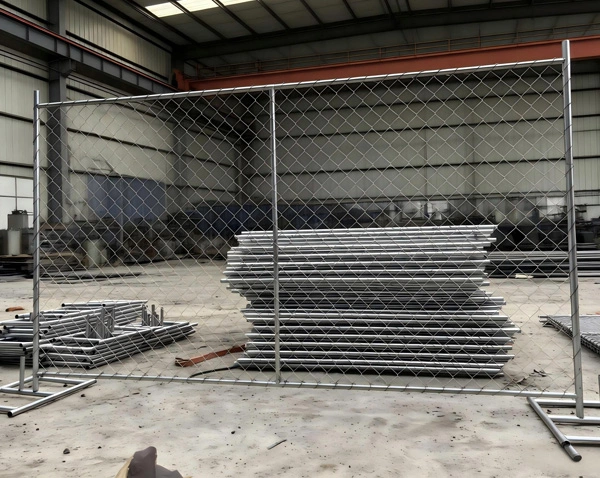
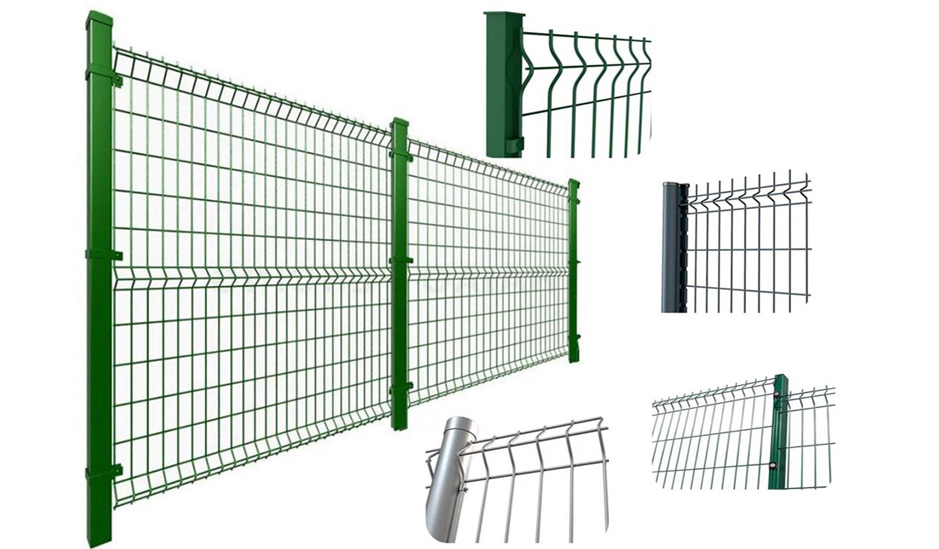
Chain link fences, also known as wire mesh fences, are a popular choice for securing perimeters in China due to their durability, cost-effectiveness, and ease of installation. This comprehensive guide will walk you through the process of installing chain link fences in China, from planning and preparation to the final touches. The guide is designed to provide both DIY enthusiasts and professionals with a detailed, step-by-step approach, ensuring that your fence is not only functional but also meets local regulations and aesthetic standards. We will cover essential aspects such as selecting the right materials, understanding local building codes, and the actual installation process. By the end of this guide, you will have a thorough understanding of how to install a chain link fence in China, making it a valuable resource for anyone looking to enhance security or privacy on their property.
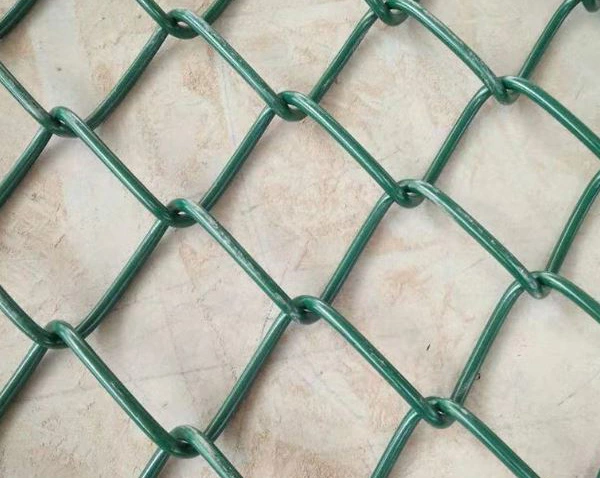
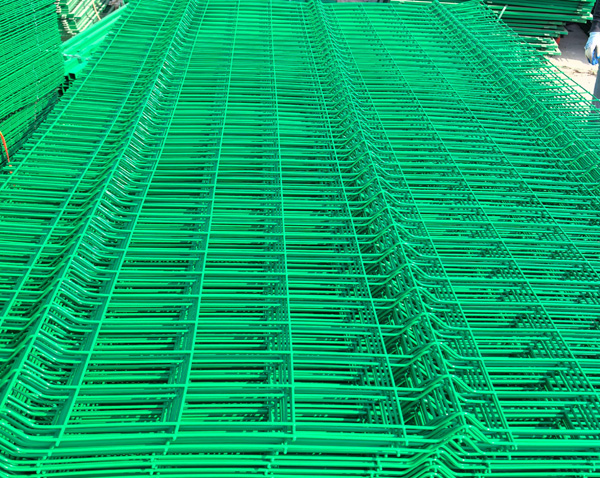
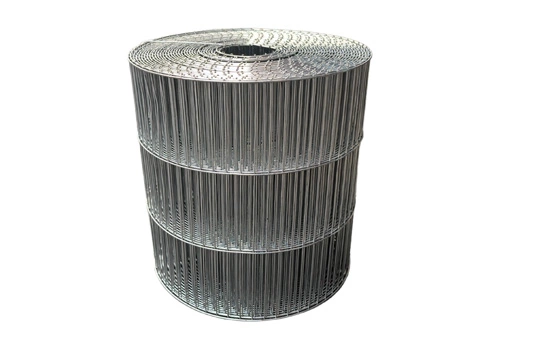
When choosing a chain link fence, it's important to understand the different types of wire mesh available. The most common types include galvanized steel, which offers excellent corrosion resistance, and vinyl-coated wire, which provides additional protection against the elements and comes in various colors. In China, where environmental conditions can vary significantly, selecting the right type of wire mesh is crucial for the longevity of your fence.
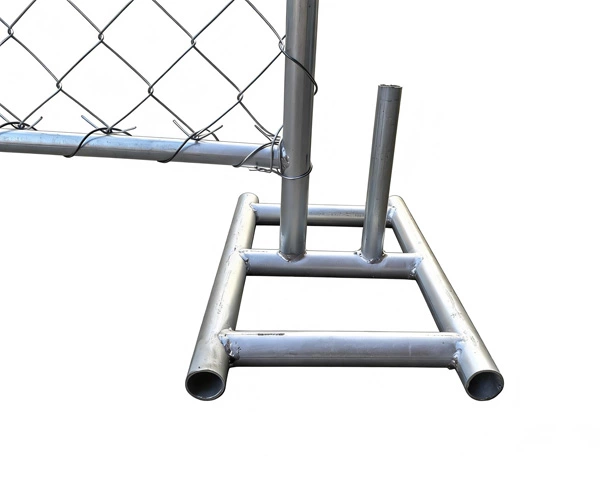
The posts and rails of your chain link fence play a critical role in its overall stability and appearance. Steel and aluminum are the most commonly used materials for posts and rails. Steel posts are more durable and can withstand harsh weather conditions, while aluminum posts are lighter and less prone to rust. In China, it's important to consider the local climate and choose materials that can withstand the specific environmental challenges of your region.
Before purchasing any materials, it's essential to familiarize yourself with the local building codes and regulations in China. These codes often dictate the height, spacing, and material requirements for chain link fences. Some regions may have specific restrictions on the use of certain materials or the maximum height of the fence. Consulting with local authorities or a professional installer can help ensure that your fence complies with all relevant regulations.
A successful chain link fence installation begins with a thorough site survey. This involves measuring the perimeter, identifying any obstacles, and determining the layout of the fence. In China, it's important to consider the topography of the land, as well as any existing structures or utilities that may affect the installation. A detailed site survey will help you plan the fence layout and ensure that it fits seamlessly into your property.
Once the site survey is complete, the next step is to mark the fence line and set the posts. This involves using stakes and string to create a straight and level line for the fence. The posts should be spaced according to the manufacturer's recommendations, typically 6 to 8 feet apart. In China, it's important to ensure that the posts are securely anchored in the ground, especially in areas with soft or unstable soil. Concrete footings can be used to provide additional stability.
Excavation is a crucial step in preparing the site for the installation of a chain link fence. The area along the fence line should be excavated to a depth of at least 18 inches, allowing for the placement of the posts and concrete footings. In China, it's important to ensure that the ground is level and free of debris. This will help prevent the fence from sagging or becoming misaligned over time. Using a level and a tamper can help achieve a flat and stable surface.
With the posts set and the ground prepared, the next step is to attach the tension bands and top rails. Tension bands are used to secure the top rail to the posts, providing a sturdy framework for the chain link fabric. In China, it's important to use high-quality tension bands and hardware to ensure that the fence remains taut and secure. The top rail should be attached to the posts using brackets, ensuring that it is level and aligned with the fence line.
Once the top rail is in place, the chain link fabric can be hung. This involves unrolling the fabric and attaching it to the top rail using fence ties. The fabric should be stretched taut and secured to the bottom of the posts using tension wires. In China, it's important to ensure that the fabric is properly tensioned to prevent sagging and maintain the integrity of the fence. Using a fence stretcher can help achieve the desired tension.
The final step in installing a chain link fence is to add gates and any additional features. Gates can be custom-made to fit the opening and should be installed with hinges and latches that are compatible with the fence material. In China, it's important to ensure that the gates are securely mounted and operate smoothly. Additional features such as privacy slats or decorative elements can also be added to enhance the appearance of the fence. Finally, a thorough inspection of the entire fence should be conducted to ensure that all components are properly installed and functioning as intended.

Leave a Reply