

 English
 China
China Thailand
 Malaysia
 Vietnam
 Laos
Laos Cambodia
 Pilipinas
 Indonesia
 Russian
 Portuguese
 Arabic
 Japanese
 Spanish
 Italian
 French
 German
News
- Home
- News
- Company News
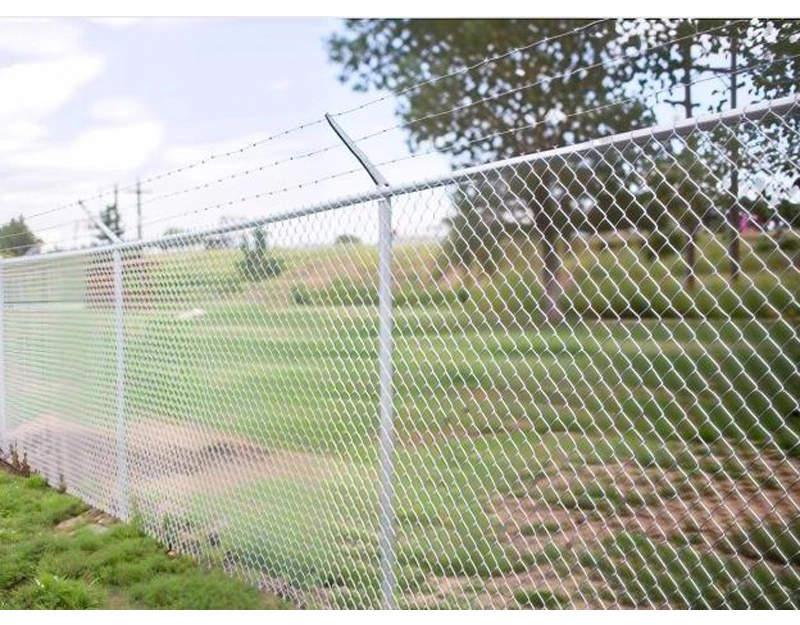
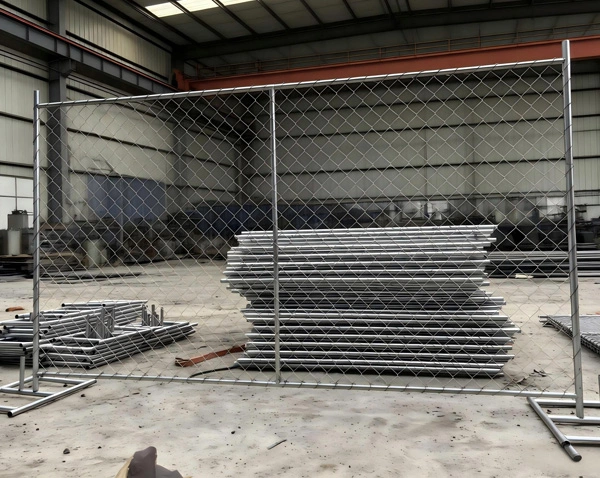
Chain link fences are a popular choice for securing properties due to their affordability, durability, and ease of installation. In China, where the climate can vary significantly from region to region, maintaining these fences is crucial to ensure they last as long as possible. This technical report provides maintenance tips tailored specifically for chain link fences in Chinese climates, addressing common issues and offering solutions to extend the lifespan of your fence.
China's vast geography encompasses a wide range of climatic conditions, from the humid subtropical regions in the south to the arid deserts in the west and the cold temperate zones in the north. These varying conditions can have distinct impacts on the integrity of chain link fences. For instance, high humidity levels in southern China can accelerate corrosion, while extreme temperature fluctuations in northern areas may cause metal expansion and contraction, leading to structural weaknesses over time. Understanding how different climates affect chain link fences is the first step towards effective maintenance.
One of the most important aspects of maintaining a chain link fence is regular inspection. Inspections should be conducted at least twice a year, ideally in the spring and fall, to identify any signs of damage or wear. During these inspections, look for rust, loose fittings, damaged posts, and sagging sections. Promptly addressing these issues can prevent them from becoming more serious problems that might require costly repairs or even replacement. Additionally, inspect the fence after severe weather events such as heavy rain, snow, or strong winds, as these can cause immediate damage that needs to be addressed quickly.
Corrosion is one of the primary enemies of chain link fences, particularly in the humid and coastal regions of China. To combat this, it is essential to apply a protective coating to the fence. Galvanization, which involves coating the steel with a layer of zinc, is a common and effective method. However, galvanized coatings can deteriorate over time, especially in highly corrosive environments. Therefore, it is advisable to reapply a rust-resistant paint or clear coat every few years to maintain the protective barrier. Regular cleaning to remove dirt, grime, and salt deposits also helps in preventing corrosion. Use a mild detergent and water, and avoid harsh chemicals that could damage the coating.
The stability of a chain link fence depends heavily on the condition of its foundation. In areas with high rainfall, soil erosion can undermine the fence posts, causing them to become unstable. To prevent this, consider installing drainage systems or using gravel or other materials to improve water flow away from the fence. Additionally, ensure that the posts are set deep enough into the ground, typically about one-third of the post's length, and use concrete to secure them. If you notice any shifting or tilting of the posts, address it immediately by either repositioning the post or reinforcing it with additional support.
A chain link fence must be properly tensioned to remain taut and functional. Over time, the fence can sag due to factors such as gravity, temperature changes, and external forces. Sagging not only affects the appearance of the fence but also reduces its effectiveness as a security barrier. To maintain proper tension, periodically check and adjust the fence's tension bands, which are the small metal loops that hold the top and bottom wires of the fence. Tightening these bands can help restore the fence's original shape and strength. If the fence has significant sagging, it may be necessary to replace the tension wire, which runs along the top and bottom of the fence to provide additional support.
In northern China, where winters can be harsh, it is important to prepare your chain link fence for the cold season. Snow and ice can accumulate on the fence, adding extra weight and potentially causing damage. Before the onset of winter, inspect the fence for any weak points and make necessary repairs. Clear the area around the fence of debris to prevent ice buildup, and consider applying a de-icing agent to the fence to prevent ice from forming. Additionally, if the fence is near trees, trim any branches that could break under the weight of snow and fall onto the fence.
By following these maintenance tips, property owners in China can ensure that their chain link fences remain in excellent condition, providing security and aesthetic value for many years. Regular care and attention to detail are key to extending the lifespan of your fence, regardless of the local climate.

Leave a Reply