

 English
 China
China Thailand
 Malaysia
 Vietnam
 Laos
Laos Cambodia
 Pilipinas
 Indonesia
 Russian
 Portuguese
 Arabic
 Japanese
 Spanish
 Italian
 French
 German
News
- Home
- News
- Company News
When it comes to ensuring safety in various environments, from construction sites to public events, the selection of a portable safety barrier is crucial. This document aims to provide a comprehensive guide on how to choose the right portable safety barrier for your specific needs, focusing on key factors such as material, mobility, and application suitability.
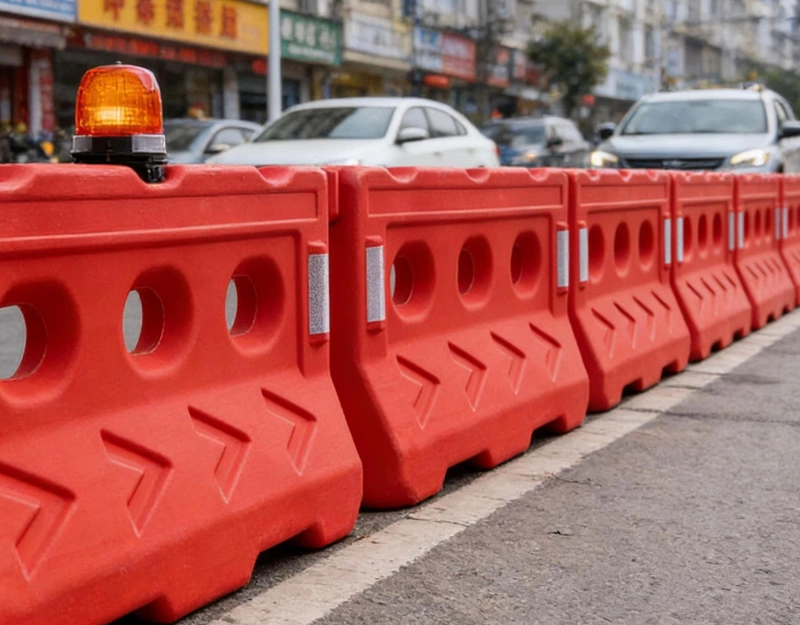
The choice of materials used in constructing a portable safety barrier significantly impacts its durability, weight, and overall effectiveness. Common materials include plastic, metal (such as aluminum), and composite materials. Each type offers distinct advantages and may be more suitable for different applications based on the environment and the intended use. For instance, plastic barriers are lightweight and easy to transport but may not withstand heavy loads or harsh weather conditions as effectively as their metal counterparts. On the other hand, metal barriers, while being more robust and durable, tend to be heavier, which can affect their portability. Composite materials, blending the benefits of both, offer a balance between strength and weight, making them a versatile option for a wide range of uses.
It's essential to consider the environmental factors where the barrier will be used. For outdoor applications, especially in areas with extreme weather conditions, choosing a material that resists corrosion and UV degradation is critical. Similarly, for indoor settings, the focus might shift towards aesthetics and ease of handling. Understanding these nuances helps in selecting a material that not only meets the immediate safety requirements but also ensures long-term reliability and cost-effectiveness.
One of the defining features of a portable safety barrier is its ability to be easily moved and set up. The design should facilitate quick assembly and disassembly, allowing for rapid deployment in emergency situations or during routine changes in layout. Features such as wheels, modular components, and interlocking systems greatly enhance the mobility and flexibility of the barrier. Additionally, the weight and size of individual units play a significant role in determining how easily they can be handled by one person or a small team.
Consideration should also be given to the storage space available. Collapsible designs or those that can be stacked compactly are particularly advantageous for facilities with limited storage options. Moreover, the ease of transportation from one site to another, whether by vehicle or manually, is an important factor, especially for organizations that frequently relocate their operations. By prioritizing mobility and ease of use, you can ensure that the barrier system remains a practical and efficient solution, regardless of the setting.
The effectiveness of a portable safety barrier is highly dependent on its suitability for the specific application and environment. Different industries and scenarios require varying levels of protection, visibility, and adaptability. For example, in construction sites, the primary concern is often the physical barrier against falling objects and unauthorized access. In this case, a sturdy, high-visibility barrier that can be easily repositioned as work progresses is ideal. Conversely, in retail or event management, the emphasis might be more on crowd control and maintaining clear pathways, necessitating barriers that are visually appealing and can be quickly adjusted to changing crowd dynamics.
Furthermore, regulatory compliance plays a vital role in the selection process. It’s important to choose a barrier that meets or exceeds the safety standards set by relevant authorities. This includes considerations such as height, stability, and the presence of any additional safety features like anti-trip bases or reflective strips. By carefully evaluating the specific needs and regulations of your application, you can select a portable safety barrier that not only provides the necessary protection but also enhances the overall functionality and safety of the environment.
While the initial cost of a portable safety barrier is a significant factor, it’s equally important to consider the long-term value and total cost of ownership. High-quality materials and durable construction may come at a higher upfront cost but can lead to substantial savings over time through reduced maintenance and replacement costs. Additionally, investing in a versatile and adaptable barrier system can provide long-term benefits by meeting the evolving needs of your organization without the need for frequent upgrades or replacements.
Another aspect to consider is the potential impact on operational efficiency. A well-designed portable safety barrier can streamline processes, reduce downtime, and improve overall safety, leading to indirect cost savings. For example, a barrier that can be quickly deployed and reconfigured can minimize setup times and allow for more flexible and responsive operations. By balancing the initial investment with the long-term benefits, you can make a cost-effective decision that aligns with your budget and strategic goals.
Regular maintenance is crucial to ensure the continued effectiveness and longevity of a portable safety barrier. This includes routine inspections to check for any signs of wear and tear, damage, or structural issues. Depending on the material, certain types of barriers may require periodic cleaning, lubrication, or minor repairs to maintain their integrity and performance. For example, metal barriers may need to be checked for rust or corrosion, while plastic barriers might require cleaning to remove dirt and grime that can affect their visibility and appearance.
Additionally, it’s important to follow the manufacturer’s guidelines for care and maintenance. This often includes recommendations for storage, handling, and the use of protective coatings or treatments. By adhering to these guidelines, you can extend the lifespan of the barrier and ensure that it continues to provide reliable and effective safety measures. Regular maintenance not only protects your investment but also contributes to a safer and more efficient working environment.
Selecting the right portable safety barrier involves a careful evaluation of multiple factors, including material quality, mobility, application suitability, cost, and maintenance. By considering these aspects, you can choose a barrier that not only meets your immediate safety needs but also provides long-term value and reliability. Whether for construction, events, or general facility management, a well-chosen portable safety barrier is an essential tool for ensuring the safety and efficiency of your operations.
Leave a Reply