

 English
 China
China Thailand
 Malaysia
 Vietnam
 Laos
Laos Cambodia
 Pilipinas
 Indonesia
 Russian
 Portuguese
 Arabic
 Japanese
 Spanish
 Italian
 French
 German
News
- Home
- News
- Company News
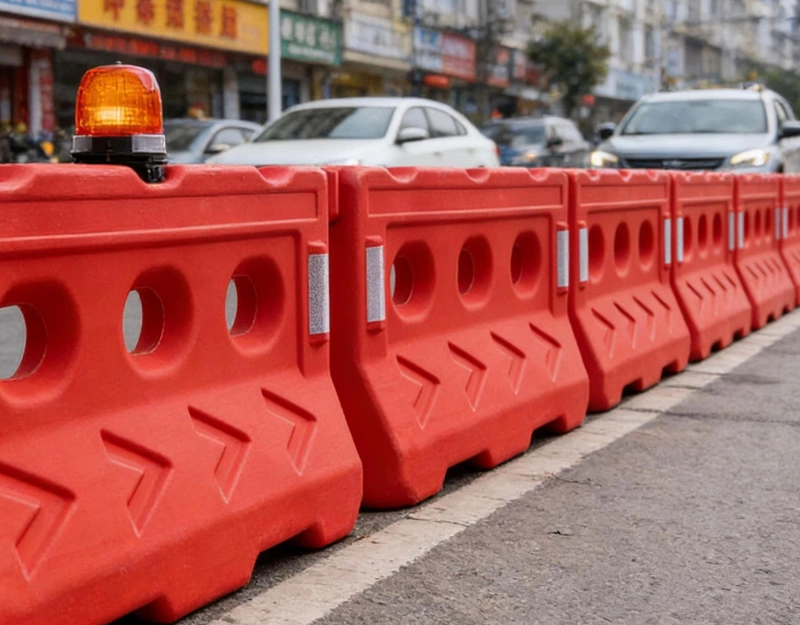
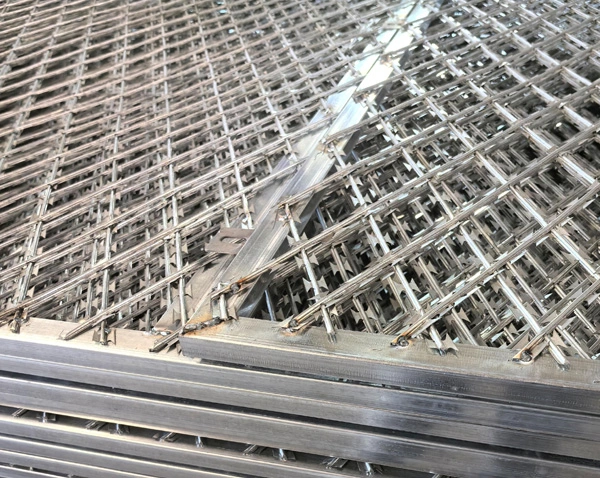
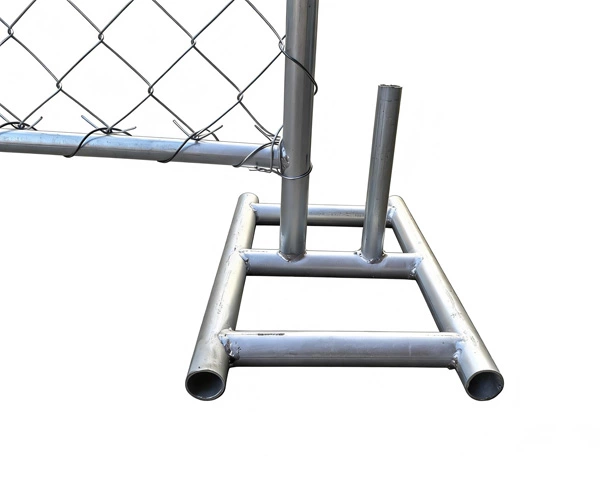
Construction sites are dynamic environments, where safety is of paramount importance. Among the many tools and equipment designed to enhance worker protection, portable safety barriers play a crucial role. These barriers are not just simple dividers; they serve as critical components in creating safer work zones, ensuring that both workers and passersby remain protected from potential hazards. This report explores the multifaceted importance of portable safety barriers in construction zones, focusing on their role in improving site safety, facilitating efficient project management, and enhancing public perception.
The primary function of a portable safety barrier is to create a physical separation between the construction area and its surroundings. By doing so, these barriers help prevent unauthorized access, which can be a significant risk factor in busy or urban settings. For instance, pedestrians and cyclists may inadvertently enter a construction zone, exposing themselves to dangerous machinery, unstable structures, or falling objects. A well-placed portable safety barrier acts as a first line of defense, clearly delineating the boundaries of the construction site and deterring such accidental intrusions.
Moreover, these barriers also protect workers within the construction zone. They can be used to isolate specific areas where high-risk activities are taking place, such as demolition, excavation, or the use of heavy machinery. By containing these operations within a controlled environment, portable safety barriers reduce the likelihood of accidents and injuries. Additionally, they can be strategically positioned to provide visual and physical cues, helping to guide workers and visitors safely around the site.
Portable safety barriers are not only essential for safety but also contribute significantly to the overall efficiency of construction projects. One of the key advantages of these barriers is their flexibility. Unlike fixed structures, portable safety barriers can be easily moved and reconfigured as the project progresses. This adaptability allows project managers to quickly adjust the layout of the construction site in response to changing conditions or new phases of work. For example, if a particular section of the site needs to be closed off for a specific task, portable barriers can be rapidly deployed and later removed, minimizing disruptions and delays.
Furthermore, portable safety barriers can help streamline logistics and material handling. By clearly marking out pathways and storage areas, these barriers ensure that materials and equipment are organized and accessible. This can lead to more efficient workflows, reducing the time and effort required to move resources around the site. In turn, this can result in cost savings and improved project timelines, as workers spend less time navigating through cluttered or poorly defined spaces.
In addition to their practical benefits, portable safety barriers also play a crucial role in shaping public perception and ensuring regulatory compliance. Construction sites are often visible to the general public, and the appearance of the site can have a significant impact on how the community perceives the project and the company behind it. Well-maintained and professionally installed portable safety barriers can convey a sense of order and professionalism, instilling confidence in the community that the project is being managed responsibly.
Regulatory bodies and local authorities typically have strict guidelines regarding the safety and accessibility of construction sites. Portable safety barriers can help meet these requirements by providing clear and effective means of controlling access and mitigating risks. Compliance with these regulations is not only a legal obligation but also a way to avoid fines, penalties, and potential legal liabilities. Moreover, demonstrating a commitment to safety and compliance can enhance the reputation of the construction company, potentially leading to more business opportunities and positive word-of-mouth.
In conclusion, portable safety barriers are indispensable tools in the construction industry. They enhance on-site safety by preventing unauthorized access and protecting workers, facilitate efficient project management through their flexibility and organizational capabilities, and improve public perception and compliance with regulatory standards. As construction projects continue to grow in complexity and scale, the importance of these barriers will only increase. Therefore, it is essential for construction companies to invest in high-quality, versatile, and reliable portable safety barriers to ensure the success and safety of their projects.


Leave a Reply