

 English
 China
China Thailand
 Malaysia
 Vietnam
 Laos
Laos Cambodia
 Pilipinas
 Indonesia
 Russian
 Portuguese
 Arabic
 Japanese
 Spanish
 Italian
 French
 German
News
- Home
- News
- Company News
The evolution of safety measures in construction, manufacturing, and public event management has seen a significant leap forward with the introduction of portable safety barrier systems. These innovative solutions not only enhance on-site security but also offer unprecedented flexibility, making them an indispensable tool for modern safety protocols. This report explores how advanced portable barriers are transforming site safety standards, focusing on key aspects such as their design innovations, environmental adaptability, and the integration of smart technologies.
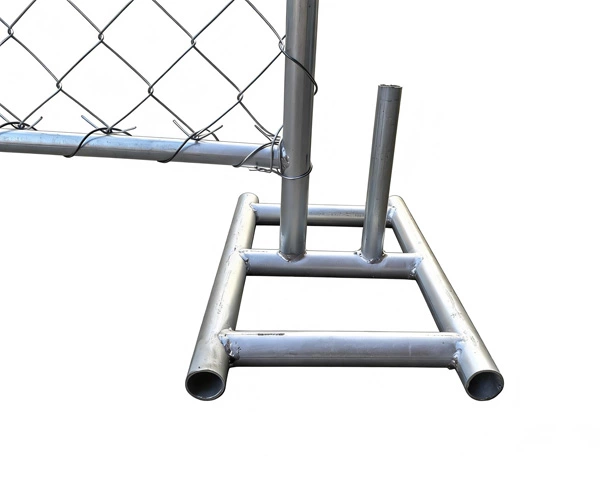
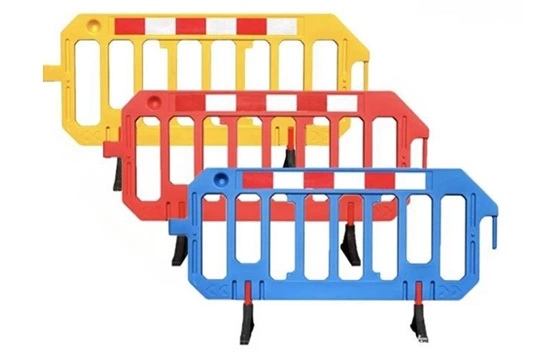
One of the most compelling features of advanced portable safety barrier systems is their sophisticated design, which prioritizes both functionality and user-friendliness. Traditional safety barriers often lacked the adaptability required to address diverse on-site conditions effectively. However, modern designs incorporate modular components that can be easily assembled and reconfigured to suit specific needs. This level of customization allows for optimal placement around hazards, ensuring that workers and visitors remain protected at all times. Additionally, these barriers are constructed using durable materials, capable of withstanding harsh environmental conditions while maintaining structural integrity, thus providing long-lasting protection without compromising on safety or aesthetics.
An essential aspect of any effective safety solution is its ability to perform reliably across a wide range of environments. Advanced portable safety barrier systems excel in this regard by being designed to operate efficiently under various weather conditions, from extreme heat to freezing cold. Moreover, they are engineered to resist corrosion, ensuring longevity even when exposed to moisture or chemicals. The versatility of these barriers extends beyond just physical durability; they also include features like adjustable heights and widths, allowing for seamless integration into different landscapes and workspaces. This adaptability makes them ideal for use in construction sites, industrial facilities, and even outdoor events, where changing conditions demand flexible yet robust safety measures.
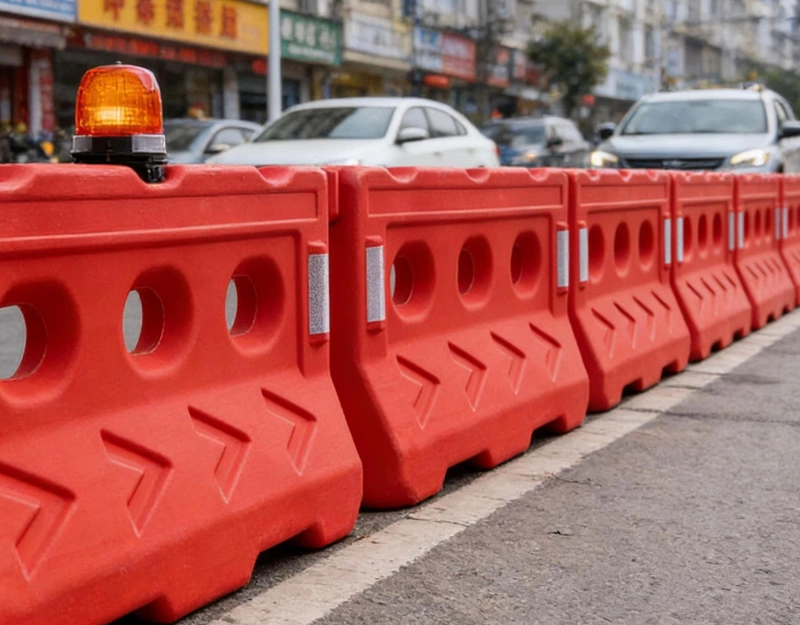
The incorporation of smart technology represents one of the most transformative advancements in portable safety barrier systems. By integrating sensors, wireless communication, and real-time monitoring capabilities, these barriers can now provide more than just a physical barrier; they become active participants in enhancing overall site safety. For instance, some models feature built-in warning lights and alarms that activate upon detecting unauthorized access or potential dangers, alerting nearby personnel instantly. Furthermore, through connectivity options like Wi-Fi or Bluetooth, these systems can communicate with other devices and central control units, enabling remote monitoring and management. Such technological enhancements not only improve immediate response times during emergencies but also facilitate better planning and risk assessment, contributing to a safer working environment overall.
Beyond their direct impact on safety, advanced portable safety barrier systems offer several economic and sustainability advantages. Firstly, their reusable nature significantly reduces waste compared to single-use alternatives, aligning with growing environmental concerns. Additionally, the ease of setup and disassembly means less labor is required, leading to cost savings over time. Maintenance costs are also lower due to the high-quality materials used, which reduce the frequency of replacements. Lastly, the enhanced safety provided by these barriers can lead to fewer accidents and injuries, further reducing operational expenses associated with medical bills, insurance claims, and downtime. Thus, investing in these advanced safety solutions not only promotes a culture of safety but also contributes positively to the bottom line.
As industries continue to prioritize worker and public safety, the role of portable safety barrier systems becomes increasingly critical. Through innovative design, environmental adaptability, and the integration of smart technologies, these barriers represent a significant step forward in revolutionizing site safety. They not only meet current regulatory standards but also anticipate future challenges, setting new benchmarks for what is possible in terms of protection and efficiency. As we look ahead, it is clear that adopting such advanced solutions will be crucial for creating safer, more productive, and sustainable work environments.

Leave a Reply