

 English
 China
China Thailand
 Malaysia
 Vietnam
 Laos
Laos Cambodia
 Pilipinas
 Indonesia
 Russian
 Portuguese
 Arabic
 Japanese
 Spanish
 Italian
 French
 German
News
- Home
- News
- Company News
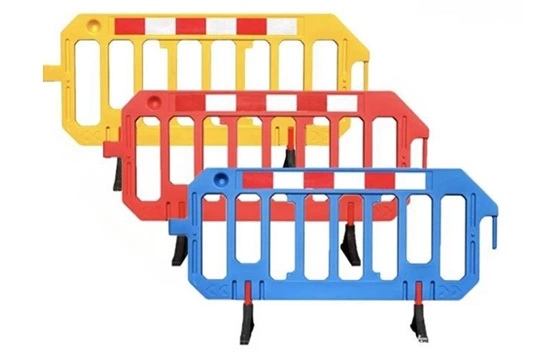
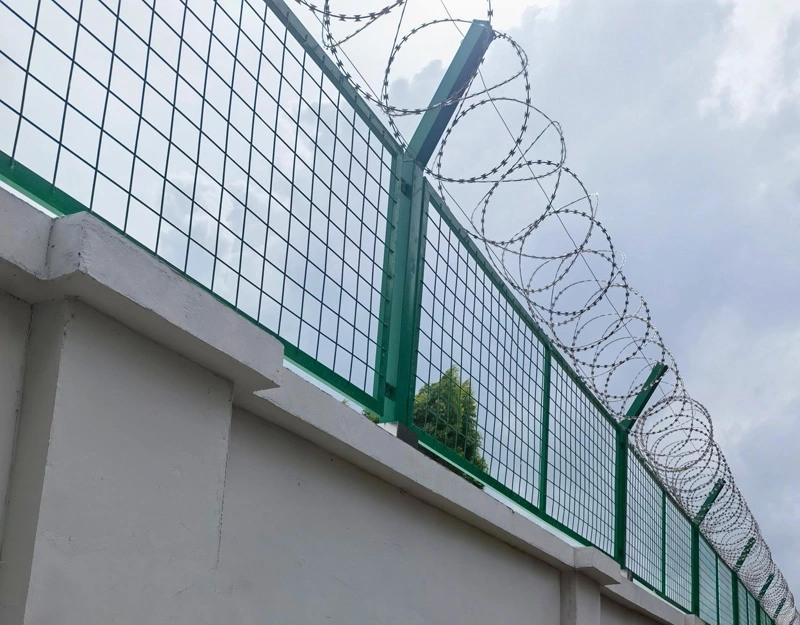
Highway guardrails, also known as highway fences in some contexts, play a crucial role in ensuring the safety of road users. In China, where the highway network is expanding rapidly, the cost-effectiveness of these installations becomes a critical consideration. This analysis aims to evaluate the economic and practical implications of china highway fence solutions, focusing on their material costs, maintenance expenses, and overall impact on road safety.
The development of highway infrastructure in China has been one of the most significant projects over the past few decades, with thousands of kilometers of new roads being constructed every year. Alongside this growth, there has been an increasing emphasis on incorporating effective safety measures such as guardrails. These structures are designed to absorb the energy of vehicle impacts, reducing the severity of accidents and protecting vehicles from leaving the roadway. The choice of materials, design, and installation methods for these guardrails can significantly influence their cost-effectiveness.
One of the primary factors affecting the cost-effectiveness of china highway fence systems is the choice of materials. Traditionally, steel has been the most commonly used material due to its durability and strength. However, advancements in technology have led to the introduction of alternative materials such as aluminum, composite plastics, and even recycled materials. Each option comes with its own set of advantages and disadvantages in terms of initial cost, longevity, and environmental impact. For instance, while aluminum may be more expensive upfront, it offers better corrosion resistance and lower maintenance requirements compared to steel, potentially leading to long-term savings. On the other hand, composite materials, although less conventional, can provide a balance between cost and performance, making them an attractive option for certain applications.
Beyond the initial investment, the total cost of ownership for china highway fence systems includes ongoing maintenance and potential replacement costs. Regular inspections and timely repairs are essential to ensure that the guardrails remain effective throughout their service life. Factors such as exposure to weather conditions, traffic volume, and the frequency of accidents all contribute to wear and tear. In some cases, innovative designs and materials can reduce the need for frequent maintenance, thereby lowering the overall lifecycle cost. For example, self-repairing or low-maintenance coatings can extend the lifespan of steel guardrails, while modular designs allow for easier and more cost-effective replacements of damaged sections.
The ultimate measure of the cost-effectiveness of china highway fence installations lies in their ability to enhance road safety and reduce the incidence and severity of accidents. Studies have shown that properly installed and maintained guardrails can significantly decrease the number of fatalities and serious injuries resulting from run-off-road crashes. By effectively containing and redirecting errant vehicles, these barriers prevent them from colliding with fixed objects or rolling over, which are common causes of severe injuries and deaths. Moreover, the psychological effect of visible safety measures should not be underestimated; drivers tend to feel more secure and drive more cautiously when they see robust guardrails lining the road. This, in turn, can lead to a reduction in speeding and other risky driving behaviors, further contributing to overall road safety.
In conclusion, the cost-effectiveness of china highway fence systems is a multifaceted issue that requires careful consideration of material choices, maintenance requirements, and the broader impact on road safety. While the initial outlay for high-quality materials and advanced designs may seem substantial, the long-term benefits in terms of reduced maintenance, extended service life, and, most importantly, improved safety outcomes often justify the investment. As China continues to expand and modernize its highway network, adopting a holistic approach to the selection and implementation of guardrail systems will be key to achieving both economic efficiency and enhanced road user protection.



Leave a Reply